Best Time to Visit Chobe National Park
When is the best time to visit Chobe? This honest month-by-month guide explains wildlife seasons, rain, crowds, and prices—so you don’t arrive during the wrong season.
Last updated: March 10, 2026
Every rainy season we meet disappointed tourists who booked March trips expecting spectacular elephant herds and discovered flooded roads, dispersed wildlife hiding in thick vegetation, and afternoon thunderstorms disrupting safari schedules. They arrive excited after reading about Chobe’s 50,000 elephants but find scattered small groups instead of massive concentrations, struggle spotting animals through dense green bush, and spend half their time waiting for rain to stop. Some travelers book cheap November deals thinking they’re getting great value, only discovering why prices are so low when rains turn game drives into muddy slogs with minimal wildlife sightings.
At Chobe Tours, we’ve guided safaris every month across many years, experiencing spectacular dry season elephant gatherings, challenging wet season conditions, peak August crowds, and peaceful shoulder season value periods. This guide provides complete seasonal breakdown covering dry season May-October when water scarcity concentrates animals at the river creating prime viewing, wet season November-April when rains disperse wildlife but drop prices 40-60%, month-by-month conditions showing what each specific month delivers, wildlife patterns explaining why timing affects sighting success dramatically, weather from cool pleasant June through scorching October heat, crowd levels from empty March through packed August, and pricing showing when same lodges cost $200 versus $600 per night. We provide honest assessment of every period’s pros and cons helping you choose timing matching your priorities rather than arriving unprepared during wrong season.
Overview: Understanding Chobe’s Seasons
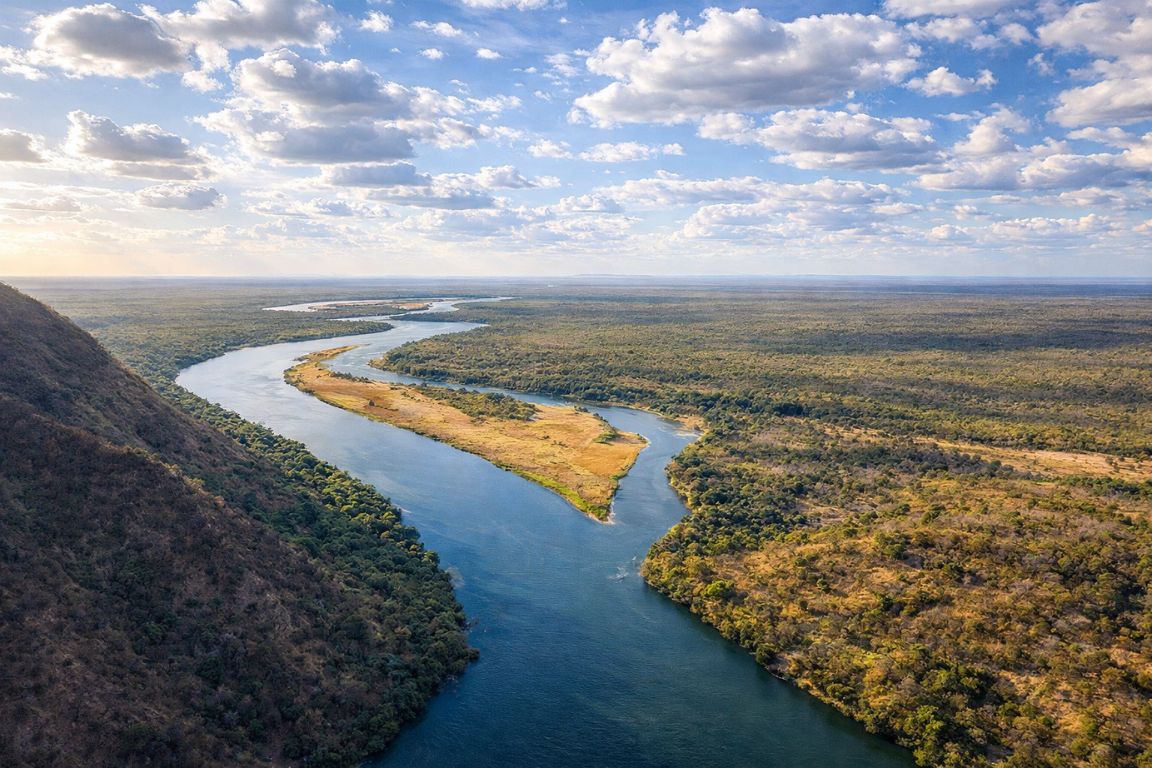
Dry season (May-October) delivers Chobe’s best game viewing as diminishing water sources concentrate wildlife along the permanent Chobe River in spectacular densities impossible during wet months. Elephant herds numbering 100-300 animals gather at the river for afternoon drinking sessions, predators stake out predictable waterhole locations knowing prey must visit daily, and plains game congregate in visible open areas near guaranteed water. The concentration effect intensifies throughout dry season, with May showing good wildlife and October delivering maximum densities as water stress peaks before November rains arrive.
Sparse vegetation and dried grass improve visibility dramatically compared to wet season’s thick green bush obscuring animals. Clear skies and minimal rainfall create reliable safari schedules without weather disruptions, comfortable temperatures ranging from cool May-June through hot September-October, and predictable wildlife patterns allowing guides to find specific species efficiently. The six-month dry season represents Chobe’s prime safari window when wildlife viewing success rates reach 95-99% for elephants, 80-90% for buffalo, 60-70% for lions, and excellent odds for diverse species.
Wet season (November-April) brings heavy rains transforming Chobe into lush green landscapes with seasonal water pans scattered throughout the park, eliminating wildlife’s reliance on the Chobe River and causing dramatic dispersal across vast areas. Animals spread widely accessing water anywhere rather than concentrating predictably, making game viewing significantly more challenging with lower sighting frequencies, animals hidden in thick vegetation, and unpredictable movement patterns. Afternoon thunderstorms disrupt safari schedules, muddy roads create accessibility problems, and high humidity makes hot days feel oppressive.
Most visitors avoid wet season due to challenging conditions, though the period offers legitimate advantages for specific traveler types. Budget travelers find exceptional value with prices 40-60% below peak season rates as tourism drops dramatically. Serious birders target wet season when 100+ migratory species arrive from November through March, creating outstanding birding opportunities. Photographers appreciate dramatic storm clouds, lush green landscapes, and golden light conditions different from harsh dry season brightness. The key is understanding wet season delivers fundamentally different safari experiences requiring patience, lower expectations, and appreciation for advantages beyond pure game viewing density.
Peak vs shoulder seasons creates critical trade-offs between wildlife quality and practical factors. Peak season July-September combines maximum wildlife concentrations with school holiday crowds, premium pricing 30-50% above shoulder rates, and booking requirements 8-12 months ahead for quality lodges. The wildlife spectacle justifies challenges for many visitors, with massive elephant herds, active predators, and near-guaranteed spectacular sightings worth the premium costs and crowded conditions.
Shoulder seasons May-June and October deliver 80-90% of peak season’s wildlife quality at 25-35% lower costs with significantly fewer tourists. May-June offers comfortable cool weather, building wildlife concentrations, and manageable crowds creating relaxed intimate safaris. October provides absolute peak wildlife densities as water stress reaches maximum before rains, though extreme heat 95-105°F challenges heat-sensitive visitors. The shoulder season value proposition attracts flexible travelers prioritizing wildlife over absolute comfort and willing to adjust timing for better rates.
Why timing matters more in Chobe than parks like Serengeti or Kruger stems from Chobe’s water-dependent wildlife patterns creating dramatic seasonal concentration fluctuations. The Chobe River represents the only permanent water source across vast areas, forcing all wildlife to concentrate along its banks during dry season when temporary pans dry up. This creates “all or nothing” seasonal patterns where dry months deliver spectacular densities while wet months show dispersed sparse sightings as animals range freely across the entire ecosystem.
Parks with multiple permanent water sources or migratory patterns less dependent on single water bodies show less dramatic seasonal variation, making timing somewhat less critical. Chobe’s geography and hydrology create extreme seasonal differences making a May-June visit fundamentally different from a February-March trip in ways that timing differences don’t affect some other parks as dramatically.
A family from the UK booked August safari wanting guaranteed wildlife during school holidays despite premium pricing at $450 per person per night. They experienced massive elephant herds drinking at the river every afternoon, multiple lion sightings across four game drives, leopard encounter on their final morning, and spectacular wildlife photography in perfect weather. They felt the $1,800 per person total justified the incredible concentrated wildlife viewing and predictable success allowing their limited vacation time to deliver maximum safari value.
We’ve mapped out how to plan a safari in Chobe tours based on what actually matters – season, accommodation, and tour types.
| Factor | Dry Season (May-October) | Wet Season (November-April) |
|---|---|---|
| Wildlife Viewing | Excellent – concentrated at river, 95%+ elephant sightings, 60-70% lion sightings | Challenging – dispersed throughout park, 50-70% elephant sightings, 20-30% lion sightings |
| Vegetation/Visibility | Sparse bush, excellent visibility, easy spotting | Dense green bush, limited visibility, animals hidden |
| Weather | Minimal rain, clear skies, cool May-Aug to hot Sep-Oct (50-105°F) | Heavy rains, afternoon storms, hot humid (80-95°F) |
| Crowds | Moderate to heavy (May-Jun moderate, Jul-Sep heavy, Oct moderate-heavy) | Very light (Nov-Apr minimal tourists) |
| Pricing | Mid-range to high ($200-600+ per night depending on month) | Low (40-60% below dry season, $120-300 per night) |
| Booking Requirements | 6-12 months ahead (peak Jul-Sep needs 8-12 months) | 2-4 weeks ahead (minimal advance needed) |
| Accessibility | All roads open, all lodges operating | Some roads impassable, some lodges closed Nov-Mar |
| Pros | Spectacular wildlife concentrations, reliable sightings, comfortable conditions, all facilities open | Dramatic savings, empty lodges, migratory birds, green landscapes, private experiences |
| Cons | Higher costs, more tourists (especially Jul-Sep), hot Oct afternoons | Poor game viewing, rain disruptions, thick vegetation, accessibility issues, limited lodge options |
| Best For | Wildlife focus, first safaris, limited time, wanting guarantees | Budget priority, birding, photography, tolerance for challenges, flexible expectations |
Dry Season (May-October): Prime Game Viewing Time
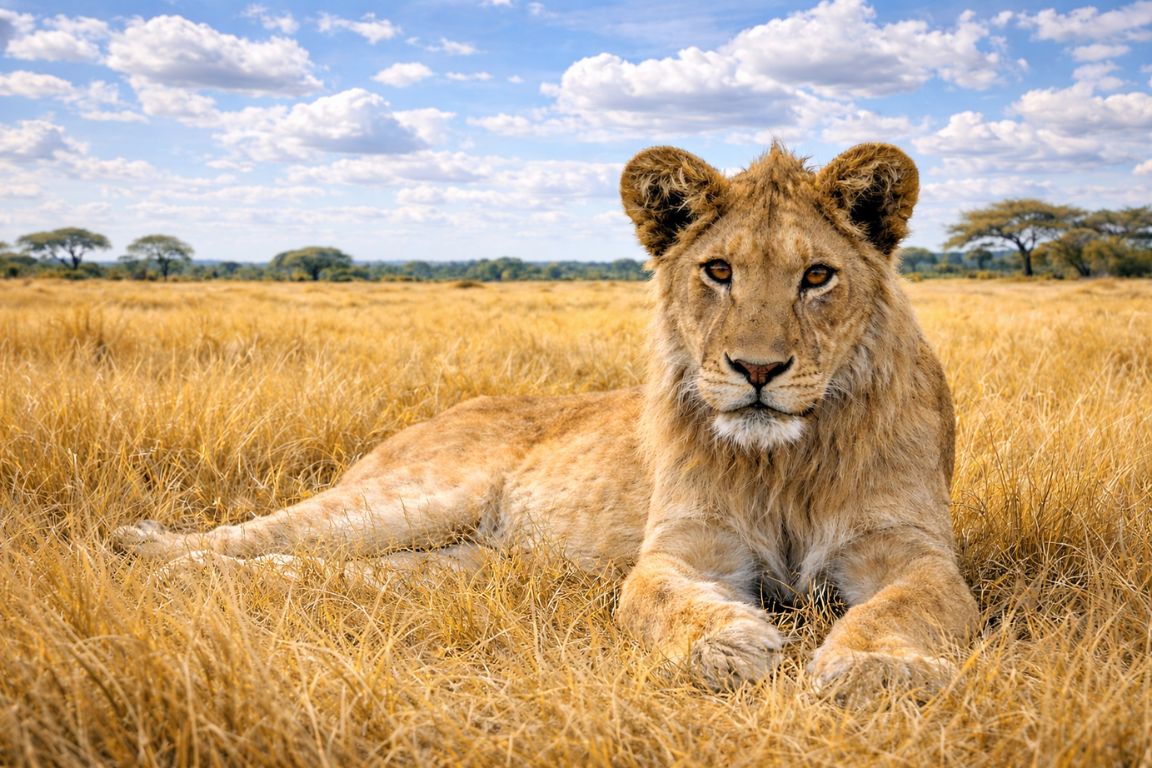 Why dry season is best centers on water scarcity forcing wildlife concentration along the permanent Chobe River as temporary pans and seasonal water sources dry up across the park. Elephants, buffalo, antelope, and predators must visit the river daily for drinking, creating predictable wildlife patterns and spectacular densities impossible when water is abundant everywhere. The concentration effect intensifies throughout the six-month dry season, starting with moderate May densities and building to maximum October concentrations when water stress peaks before November rains arrive.
The permanent Chobe River acts as wildlife magnet drawing animals from hundreds of square kilometers, with some individuals traveling 20-30km daily from interior feeding areas to riverfront water. This daily movement creates reliable viewing opportunities as animals must pass through accessible areas near lodges and roads rather than ranging freely across inaccessible wilderness. The predictable patterns allow guides to position vehicles optimally for sightings, dramatically improving safari success rates compared to wet season’s random dispersed encounters.
Wildlife concentrations during dry season create the spectacle Chobe is famous for worldwide. Elephant herds numbering 50-300 animals gather for afternoon drinking sessions between 4-6pm, with some days seeing 500+ elephants visible along a 10km riverfront stretch. The massive gatherings include family groups with tiny calves, breeding herds led by matriarchs, bachelor groups of young males, and occasional solitary bulls, creating dynamic social interactions and dramatic behaviors from playful calves to sparring adolescents.
Predator sightings increase significantly as lions, leopards, and wild dogs follow concentrated prey populations. Lion prides stake out waterhole ambush positions, with 60-70% sighting probability on multi-day dry season safaris compared to 20-30% wet season odds. Leopards hunt along riverine thickets where prey concentrates, improving sighting chances to 25-35% versus 10-15% wet season. Buffalo herds numbering thousands graze floodplains and drink en masse, plains game including kudu, impala, waterbuck, and zebra maintain constant river presence, and hippo pods numbering 50-100 animals occupy every river section.
Weather progression throughout dry season shows distinct phases affecting safari comfort and timing decisions. May-June delivers cool pleasant conditions with morning temperatures 50-65°F requiring light jackets for early game drives, midday highs reaching comfortable 75-85°F, and overall ideal safari weather without temperature extremes. The cool months suit visitors uncomfortable with heat, provide excellent photography light with soft morning and afternoon sun, and create comfortable all-day safari conditions without midday heat forcing retreat to lodge pools.
July-August continues pleasant weather with slightly warmer temperatures, morning starts at 55-70°F still requiring light layers, midday reaching 80-88°F but not oppressively hot, and generally perfect safari conditions combining excellent wildlife with comfortable temperatures. The mild weather contributes to July-August popularity beyond just wildlife concentrations, as comfortable conditions suit families with kids, seniors sensitive to heat, and visitors wanting extended game drives without weather discomfort.
September-October transitions to genuine heat with morning temperatures starting 65-75°F remaining comfortable for early drives, but midday and afternoon temperatures soaring to 90-105°F creating oppressive conditions during hottest hours. October specifically experiences extreme heat exceeding 100°F on many afternoons, with dust, harsh light, and uncomfortable midday conditions challenging heat-sensitive visitors. The extreme temperatures paradoxically coincide with absolute peak wildlife concentrations as water stress reaches maximum, creating trade-off between best wildlife and worst weather comfort.
Vegetation and visibility improves dramatically during dry season as grass dries and browns, trees lose leaves, and overall bush becomes sparse compared to wet season’s thick green growth. The thinning vegetation allows spotting animals from greater distances, seeing through previously impenetrable thickets, and tracking movement across landscapes instead of animals appearing suddenly at close range. Guides scan open areas effectively identifying distant elephants, spotting predators resting under sparse trees, and following wildlife movement patterns visible across kilometers of open country.
The improved visibility particularly benefits predator viewing as lions resting under trees become visible from hundreds of meters away rather than hidden in dense bush, leopards in riverine thickets show through sparse branches instead of being completely obscured, and cheetahs on open plains stand out against dry grass versus blending into green vegetation. Photography benefits enormously from clear sight lines, unobstructed shooting angles, and ability to compose images without vegetation blocking subjects.
Pricing patterns increase steadily throughout dry season reflecting growing demand and improving conditions. May starts at shoulder season rates with mid-range lodges charging $200-280 per person per night, representing 25-35% discounts from peak July-September pricing. June maintains similar pricing to May at $210-300 as tourism gradually builds but hasn’t reached peak levels yet.
July sees first significant price increases to $280-380 per person per night as school holidays begin and wildlife viewing reaches excellent levels, though still below August peaks. August commands absolute highest rates at $320-450 per person per night (some luxury properties exceeding $600-1,000), representing 40-60% premiums over May-June shoulder season as peak wildlife, school holidays, and perfect weather converge creating maximum demand. September maintains high pricing at $300-420 similar to August despite increasing heat, as wildlife concentrations remain spectacular and school holidays continue for many markets.
October sees modest price reductions to $250-350 as extreme heat deters some visitors and tourism begins transitioning toward wet season, though wildlife viewing remains exceptional for heat-tolerant travelers. The pricing progression means identical lodges cost dramatically different amounts depending on travel month, with savvy planners choosing May-June or October achieving 20-40% savings while maintaining 80-95% of peak season wildlife quality.
Planning your budget? Here’s safari costs explained in Chobe tours so you know which expenses are worth it and which you can skip.
| Dry Season Period | Months | Wildlife Concentration | Weather | Vegetation/Visibility | Tourist Levels | Pricing (Mid-Range Per Night) | Best For |
|---|---|---|---|---|---|---|---|
| Early Dry/Shoulder | May-June | Good to very good – animals concentrating, building numbers | Cool pleasant (50-85°F), comfortable mornings, mild days | Sparse, improving visibility | Moderate, manageable crowds | $200-300 (25-35% below peak) | Value seekers, comfortable weather priority, avoiding crowds, good wildlife adequate |
| Peak Dry | July-September | Excellent to maximum – massive herds, concentrated predators | Pleasant July-Aug (55-88°F), hot September (65-95°F) | Very sparse, excellent visibility | Heavy, multiple vehicles at sightings, advance booking essential | $280-450 (peak rates, Aug highest) | Maximum wildlife guarantee, school holidays, first safaris, limited vacation time |
| Late Dry/Shoulder | October | Maximum concentration – absolute peak wildlife density | Very hot (65-105°F), extreme afternoon heat, harsh conditions | Extremely sparse, perfect visibility | Moderate-heavy, fewer than Aug-Sep | $250-350 (shoulder pricing resuming) | Heat-tolerant visitors, photographers wanting peak wildlife, value with maximum animals |
Wet Season (November-April): The Green Season
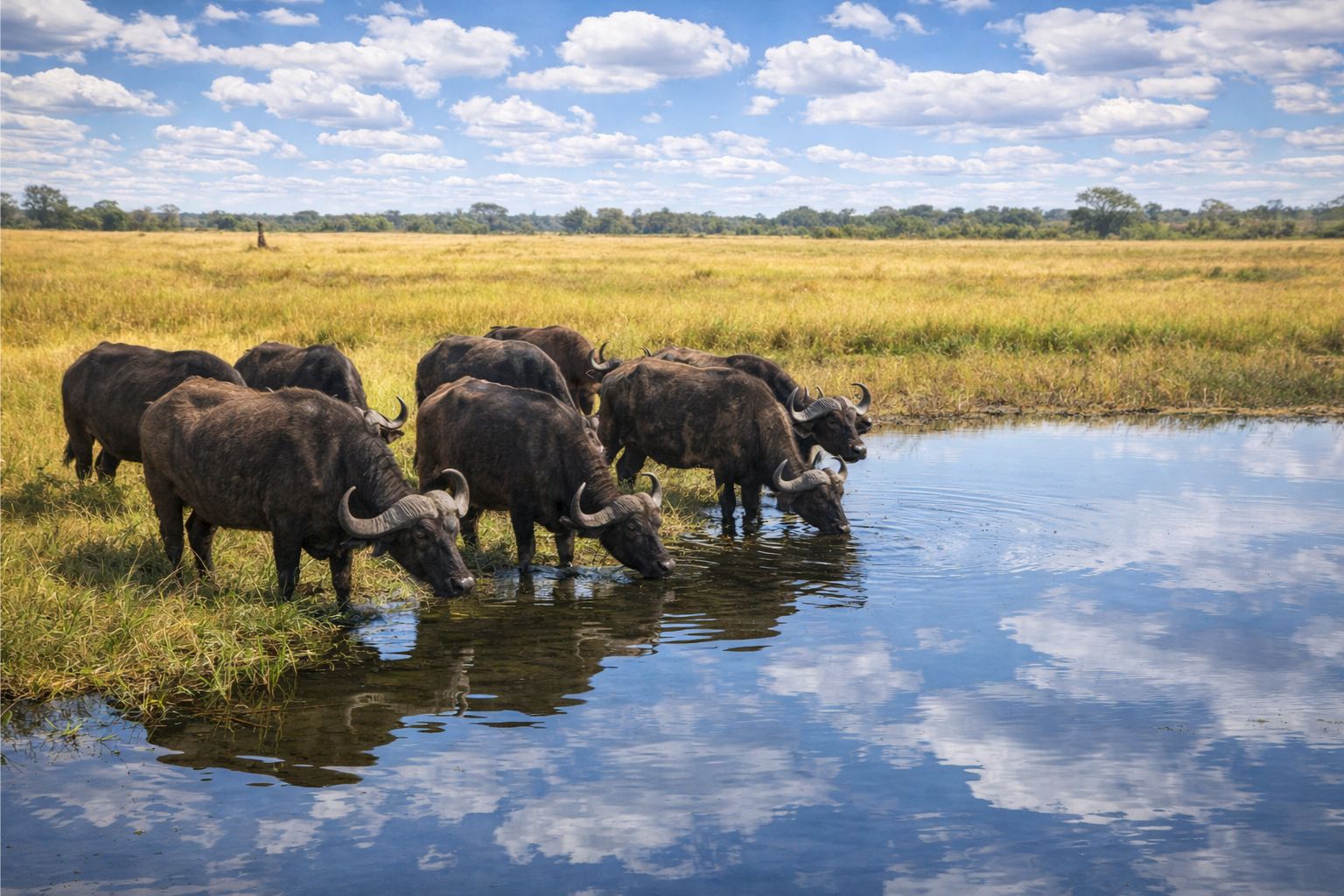
Why wet season is challenging starts with November-April rains creating seasonal water pans scattered throughout Chobe’s 11,000 square kilometers, eliminating wildlife’s reliance on the Chobe River and causing dramatic dispersal across the entire park. Animals that concentrated along narrow riverfront areas during dry season now range freely accessing water anywhere, reducing densities from spectacular dry season congregations to sparse scattered groups. Thick green vegetation explodes with rains, creating impenetrable bush obscuring wildlife and making spotting difficult even when animals are nearby.
Afternoon thunderstorms disrupt safari schedules with heavy downpours arriving 2-4pm, forcing premature returns to lodges and canceling planned boat cruises when lightning creates safety hazards. The unpredictability challenges planning as some days deliver pleasant morning game drives followed by afternoon washouts, while others see all-day rain eliminating safari possibilities entirely. Muddy roads create accessibility problems with certain park sections becoming impassable, limiting route options and preventing access to areas that dry season visitors explore freely.
Wildlife viewing reality during wet season requires adjusting expectations from dry season’s near-guaranteed spectacular sightings to patience accepting lower densities and harder work finding animals. Elephant sightings drop from 95-99% dry season probability to 50-70% wet season odds, with encounters involving small family groups of 10-30 animals instead of massive 200-300 herds. Lions become genuinely difficult to find with sighting probability dropping to 20-30% compared to 60-70% dry season, as cats follow dispersed prey into thick vegetation making tracking challenging.
Buffalo herds fragment into smaller groups spreading across the park, plains game becomes scarce along previously-productive riverfront areas as animals graze interior grasslands, and overall wildlife diversity per game drive decreases significantly. The animals present are healthy and active, enjoying abundant food and water, but locating them requires significantly more driving, searching, and patience than dry season’s predictable concentrations. Serious wildlife enthusiasts with multiple previous safaris may appreciate the challenge and enjoy working harder for sightings, but first-time safari visitors often feel disappointed compared to expectations set by dry season imagery dominating Chobe marketing.
Migratory birds arriving November through March transform Chobe into world-class birding destination adding 100+ species to year-round resident populations. European and Palearctic migrants escaping northern winters include woodland kingfishers announcing wet season with loud calls, various cuckoo species, bee-eaters, rollers, and numerous warbler species. Intra-African migrants moving within the continent include carmine bee-eaters nesting in spectacular riverbank colonies visible from boat cruises, white storks arriving in large flocks, and various wetland species following seasonal water.
The combination of migrants and breeding resident species creates exceptional diversity with serious birders easily identifying 150-200+ species during week-long wet season visits. The abundant insects, flowering plants, and nesting activity make wet season Chobe’s premier birding period, justifying visits for dedicated birders despite compromised general game viewing. The lush vegetation and water abundance support breeding activity with many species displaying vibrant breeding plumage, building nests, and raising young providing behavioral observation opportunities beyond simple species identification.
Dramatic landscapes during wet season create photographic opportunities fundamentally different from dry season’s harsh light and brown vegetation. The lush green bush, flowering trees, and vibrant colors contrast sharply with dry season’s browns and tans, appealing to photographers seeking diverse seasonal imagery. Dramatic storm clouds building through midday create spectacular skies, intense golden light breaking through clouds produces stunning atmospheric conditions, and post-storm light delivers saturated colors and dramatic contrasts impossible during cloudless dry season days.
The green landscapes photograph beautifully for visitors wanting verdant African bush imagery rather than stereotypical dry savanna scenes dominating safari photography. Lightning storms create dramatic night photography opportunities for technical photographers, rainbows appear regularly after afternoon showers, and overall atmospheric conditions provide variety beyond dry season’s predictable blue skies and harsh midday sun. Wildlife photographers face challenges with lower animal densities and thick vegetation, but landscape and atmospheric photographers find wet season conditions superior to dry season in many ways.
Major advantages of wet season center on dramatic cost savings with mid-range lodges dropping from $300-450 peak dry season to $120-200 wet season, representing 40-60% reductions making Chobe accessible to budget-conscious travelers. Luxury properties similarly discount from $600-1,000 to $300-500, creating opportunities for experiencing high-end lodges at mid-range prices. The empty lodges with minimal tourists create private intimate experiences with personal attention from guides and staff, uncrowded game drives with solo vehicles at sightings, and peaceful lodge atmosphere without competing for tables, pool chairs, or amenities.
The combination of low prices and empty lodges appeals to travelers prioritizing value and solitude over guaranteed wildlife spectacle, off-season adventurers appreciating quiet peaceful travel, and budget travelers unable to afford dry season rates but willing to accept wet season trade-offs. Extended stays become affordable with weekly rates dropping to levels where month-long visits cost what 10-day peak season trips require, attracting photographers and enthusiasts wanting comprehensive seasonal coverage.
Accessibility issues create genuine challenges with some park roads becoming impassable during heavy rains, limiting route options and preventing access to certain areas. The deep Kalahari sand prevalent throughout Chobe turns slippery and treacherous when wet, with vehicles getting stuck requiring recovery assistance. Some lodges close entirely November through March for annual maintenance, renovations, and staff holidays, reducing accommodation options significantly and requiring careful verification of availability before booking wet season trips.
The reduced lodge inventory means finding quality accommodation becomes more challenging despite low demand, as best properties might be closed leaving only budget options operating. Self-drive visitors face particular difficulties with 4×4 vehicles essential rather than optional, and even proper vehicles getting stuck in difficult conditions. Tour operators maintain reduced vehicle fleets during wet season with some suspending operations entirely until dry season resumes, requiring advance confirmation that chosen operators will be functioning during planned travel dates.
Peak Season (July-September): Maximum Wildlife and Crowds
Why July-September is peak combines multiple factors creating perfect storm of demand and supply. Northern Hemisphere school holidays in July-August bring families with children restricted to summer vacation windows, while perfect weather and maximum wildlife concentrations attract all traveler types regardless of schedule constraints. The three-month period represents Chobe’s sweet spot where dry season wildlife concentrations reach spectacular levels, temperatures stay comfortable avoiding May-June cool and September-October heat extremes, and zero rainfall creates reliable daily schedules without weather disruptions.
August specifically represents absolute peak within peak season as July transitions into school holidays, weather remains ideal, and wildlife viewing hits maximum quality. The convergence drives demand beyond available supply at quality lodges, creating booking competition 8-12 months ahead and premium pricing reflecting scarcity. September maintains peak status despite building heat as school holidays continue for many markets and wildlife concentrations remain exceptional through month’s end.
Wildlife at its best during July-September showcases Chobe’s spectacular elephant concentrations at their most impressive. Afternoon river gatherings routinely involve 200-400 elephants with exceptional days seeing 500+ animals along 10-15km riverfront stretches. The massive herds include multiple family groups converging simultaneously, bachelor groups of adolescent males sparring and playing, protective mothers with tiny calves just weeks old, and imposing bulls approaching cautiously assessing social dynamics before joining drinking sessions.
Lion sightings reach 70-80% probability on multi-day safaris as prides follow concentrated prey, with morning drives frequently finding cats at kills or resting near recent hunting success. Leopard encounters improve to 30-40% odds as cats hunt riverine thickets where prey densities support their solitary hunting strategies. Buffalo herds numbering thousands graze floodplains creating dust clouds visible kilometers away, plains game including kudu, waterbuck, impala, and zebra maintain constant presence, and overall wildlife diversity per game drive reaches annual highs with 20-30+ species sightings common during single outings.
Weather perfection characterizes July-September with morning temperatures starting 55-70°F requiring light jackets for 6am game drive departures, midday highs reaching comfortable 75-88°F avoiding oppressive heat, and afternoon temperatures cooling to pleasant 70-80°F by 5-6pm. The mild temperature range creates all-day safari comfort without extreme cold or heat limiting activities or forcing midday lodge retreats. Zero rainfall occurs during these months with cloud-free skies delivering constant sunshine, predictable daily conditions, and no weather-related disruptions to planned activities.
The comfortable conditions suit all traveler types from families with young children through seniors sensitive to temperature extremes, allow extended game drives without weather discomfort, and provide ideal photography light during golden hours without harsh midday brightness. The weather reliability means scheduled activities proceed as planned without rain cancellations, itineraries remain intact, and visitors maximize limited vacation time without losing days to weather issues.
The crowd reality during peak season means busy lodges at capacity with dining rooms full, shared game drive vehicles carrying maximum passenger loads (typically 6-9 people per vehicle), and multiple tour operators’ vehicles gathering at popular sightings. Productive elephant viewing areas along the riverfront regularly attract 4-8 vehicles simultaneously as different operators position clients for photography and viewing. Lion sightings draw even larger gatherings with 6-12 vehicles converging when guides radio sightings to colleagues, creating semi-circle vehicle arrangements around relaxing prides.
The crowds don’t prevent excellent wildlife viewing as Chobe’s vastness and high animal densities mean multiple sighting opportunities exist simultaneously, but the intimate private atmosphere shoulder season visitors enjoy disappears during peak months. Lodge common areas feel busy with guests competing for prime seating, bars experience happy hour rushes, and overall atmosphere becomes more social and energetic versus quiet contemplative. Advance booking 8-12 months becomes essential rather than optional as quality lodges sell out, with popular properties like Chobe Game Lodge and premium riverfront camps requiring 10-12 month booking for August specifically.
Pricing peaks during July-September with mid-range lodges charging $280-450 per person per night compared to $200-300 shoulder season May-June, representing 30-50% premiums. Luxury riverfront lodges and exclusive camps reach $600-1,000+ per person per night fully inclusive, some ultra-premium properties exceeding $1,200 during August peak. The pricing reflects supply-demand economics with limited quality accommodation facing maximum demand, allowing operators to charge premium rates knowing inventory will sell regardless.
Budget travelers face particular challenges during peak season as even basic Kasane town lodges increase rates 20-30%, backpacker properties fill quickly, and overall costs approach mid-range shoulder season pricing while delivering budget-level comfort. The premium pricing means 4-day peak season safaris cost $1,800-3,200 per person mid-range versus $1,200-2,000 shoulder season for identical experiences, significant differences for families or groups where costs multiply across multiple travelers.
When peak season is worth it includes first-time safari visitors wanting guaranteed spectacular wildlife without gambling on shoulder season slightly lower odds, travelers with inflexible schedules restricted to July-August school holidays or specific work vacation windows, visitors with limited time making single Chobe trip wanting maximum wildlife experience, and those for whom money is secondary to assured quality. The near-guaranteed elephant spectacle, 70-80% lion sighting probability, predictable perfect weather, and full lodge operations justify premium costs for travelers prioritizing certainty over value.
Peak season also suits families with children whose school schedules dictate July-August travel regardless of Chobe’s seasonal patterns, seniors uncomfortable with May-June cool mornings or October extreme heat preferring July-August moderate temperatures, and honeymooners or special occasion travelers willing to pay premiums for best possible experiences. The question becomes whether 30-50% cost premiums and heavier crowds justify marginally better wildlife viewing compared to shoulder season’s 80-90% comparable quality at significantly lower costs and fewer tourists.
Shoulder Seasons (May-June and October): Best Value Periods
Why shoulder seasons excel centers on delivering 80-90% of peak season’s wildlife quality at 25-35% lower costs while avoiding July-September’s heavy crowds and booking complications. May-June shows excellent wildlife viewing as dry season progresses with animals increasingly concentrated at the river, though not quite reaching July-September maximum densities. October delivers absolute peak wildlife concentrations matching or exceeding August-September as water stress reaches annual maximum before November rains, though extreme heat deters some visitors creating pricing and crowd advantages.
The value proposition makes shoulder seasons optimal for budget-conscious travelers unwilling to compromise wildlife quality, flexible visitors adjusting travel dates to avoid peak season premiums and crowds, and savvy planners recognizing that marginally less spectacular wildlife combined with significantly better pricing and atmosphere creates superior overall experiences. Mid-range lodges charging $280-450 during July-September drop to $200-300 shoulder season, saving $80-150 per person nightly or $320-600 per person on 4-day safaris.
May-June advantages include comfortable cool weather with morning temperatures 50-65°F requiring light jackets but never feeling cold, midday highs reaching pleasant 75-85°F avoiding excessive heat, and overall ideal conditions for extended game drives without temperature discomfort. The mild weather suits visitors uncomfortable with heat, provides excellent photography light with soft morning sun, and creates comfortable all-day safari conditions particularly appealing to families with children, seniors, and heat-sensitive travelers from temperate climates.
Building wildlife concentrations throughout May-June create progressively improving viewing as dry season advances. Early May shows good wildlife with animals beginning to concentrate at the river, though some temporary pans still hold water allowing dispersal. Late May through June delivers very good to excellent viewing with major concentrations established, massive elephant herds appearing regularly, and predator sightings increasing as prey densities rise. Manageable crowds mean 2-4 vehicles maximum at popular sightings versus 6-12 vehicles during August peaks, peaceful lodges with personal attention from guides and staff, and generally relaxed uncrowded atmosphere enhancing safari experiences.
October advantages center on maximum wildlife concentration as water stress peaks before November rains arrive, creating absolute best animal densities of the entire year. Elephant herds reach staggering sizes with 300-500 animals gathering simultaneously on exceptional afternoons, predators concentrate around remaining water sources creating high sighting probability, and overall wildlife viewing matches or exceeds famous August peak. The spectacular wildlife occurs despite rather than because of comfortable conditions, with nature forcing maximum concentration through environmental stress rather than human preference for pleasant weather.
Fewer tourists visit October due to extreme heat keeping away heat-sensitive travelers, creating crowd advantages with moderately busy rather than packed lodges, 3-5 vehicles at sightings instead of 8-12 August crowds, and shoulder season pricing at $250-350 per person per night versus $320-450 peak rates. Heat-tolerant visitors and photographers prioritizing maximum wildlife over comfort find October exceptional, accessing peak wildlife quality at reduced costs while avoiding worst peak season crowds.
Weather considerations create the primary decision factor between May-June and October shoulder periods. May-June delivers pleasant comfortable conditions with cool mornings requiring light layers, mild midday temperatures allowing comfortable outdoor time, and overall ideal weather without temperature extremes. The comfortable conditions make May-June suitable for all traveler types regardless of heat tolerance, including families with young children, seniors, and visitors from cooler climates unaccustomed to heat.
October presents genuine heat challenges with morning temperatures starting comfortable at 65-75°F but midday and afternoon soaring to 90-105°F creating oppressive conditions during hottest hours. Game drives remain tolerable through vehicle movement creating breeze and morning/late afternoon timing avoiding peak heat, but midday lodge time becomes essential rather than optional as temperatures exceed comfort limits. The extreme heat particularly challenges visitors from temperate climates, families with young children struggling in heat, and anyone with medical conditions exacerbated by high temperatures.
Who should choose shoulder seasons includes value seekers prioritizing cost savings while maintaining excellent wildlife quality, flexible travelers who can adjust dates avoiding peak season constraints, experienced safari visitors who’ve done peak season previously and want different timing perspectives, and photographers wanting quality wildlife with better light and fewer vehicles competing for positions. May-June specifically suits heat-sensitive visitors, families with flexible school schedules, and anyone prioritizing comfortable weather alongside good wildlife.
October appeals to heat-tolerant visitors comfortable with 95-105°F afternoons, serious wildlife enthusiasts prioritizing maximum animal concentrations over comfort, photographers wanting absolute peak wildlife density despite harsh light, and budget travelers willing to accept heat discomfort for 20-30% cost savings versus July-September peak. The shoulder season choice ultimately balances wildlife quality, weather preferences, crowd tolerance, and budget priorities with neither May-June nor October being universally “better” but each excelling for different traveler priorities.
A couple from New Zealand visited May specifically avoiding peak season crowds after researching seasonal patterns. They experienced peaceful game drives with 2-3 vehicles maximum at elephant herds, had solo boat cruises several times when they were the only clients, and enjoyed intimate lodge atmosphere with personalized guide attention. They felt the uncrowded conditions enhanced their safari creating contemplative peaceful wildlife observation rather than busy tourist activity. Another couple from Germany booked August during school holidays and found themselves frustrated by 10-12 vehicles surrounding lion pride sightings, crowded lodge facilities, and feeling like tourist herds rather than wildlife observers despite spectacular animal encounters.
| Factor | May-June Shoulder | October Shoulder |
|---|---|---|
| Wildlife Viewing | Very good to excellent – concentrations building, 80-85% of peak quality | Excellent to maximum – absolute peak concentrations, 95-100% of peak quality |
| Weather | Cool comfortable (50-85°F), pleasant mornings, mild days | Very hot (65-105°F), comfortable mornings, oppressive midday/afternoon |
| Elephant Herds | 80-200 animals typical gatherings | 200-500 animals at peak gatherings |
| Predator Sightings | Good (50-60% lion probability) | Excellent (70-80% lion probability) |
| Crowds | Moderate, 2-4 vehicles at sightings | Moderate-heavy, 3-5 vehicles at sightings |
| Lodge Atmosphere | Peaceful, personal attention | Moderately busy but not packed |
| Pricing (Mid-Range) | $200-300 per person per night | $250-350 per person per night |
| Booking Window | 3-6 months ahead | 3-6 months ahead |
| Best For | Value + comfort priority, heat-sensitive visitors, families, all traveler types | Maximum wildlife priority, heat-tolerant visitors, photographers, serious wildlife enthusiasts |
| Avoid If | Want absolute maximum wildlife regardless of cost | Heat-sensitive, medical conditions affected by heat, young children, seniors uncomfortable in extreme heat |
Wildlife Viewing by Season
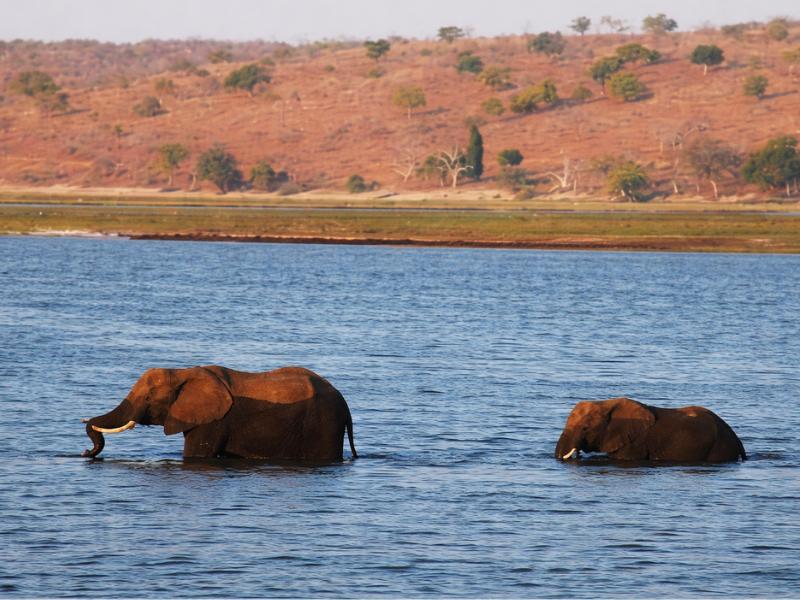
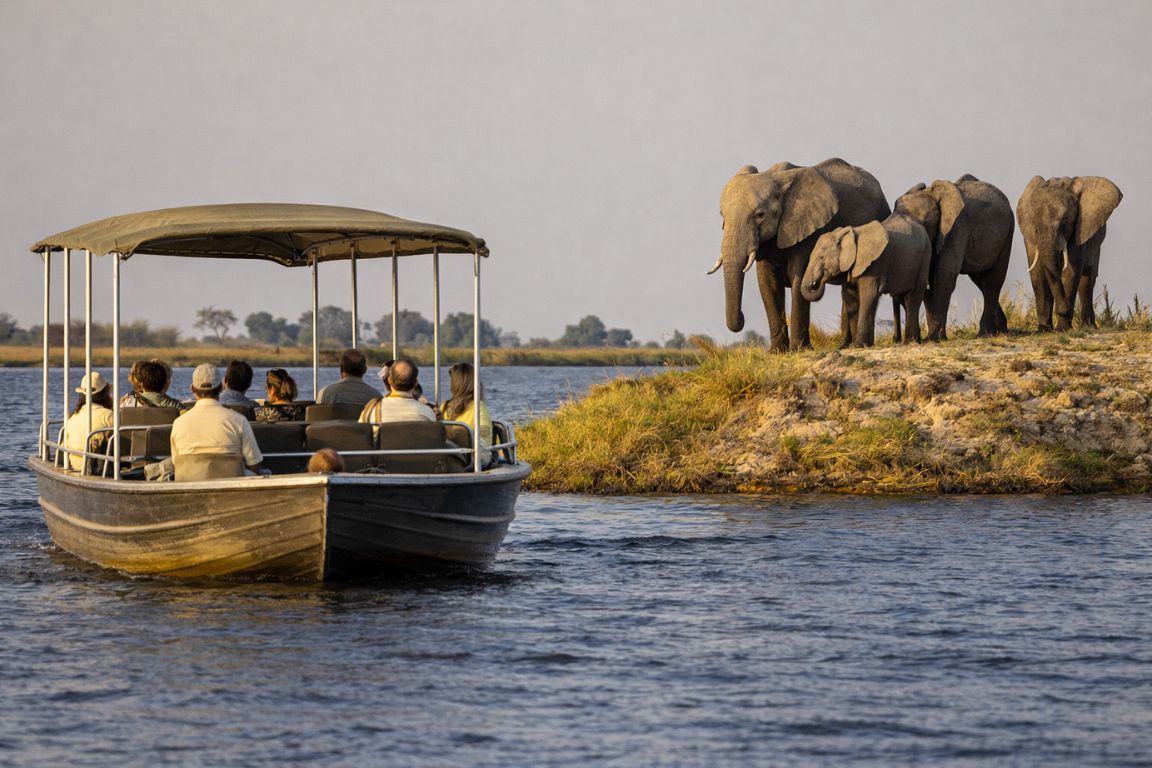 Elephant viewing showcases Chobe’s most dramatic seasonal differences with dry season May-October delivering spectacular herds of 100-400 animals gathering at the river for afternoon drinking sessions between 4-6pm. The concentrated aggregations create iconic Chobe scenes with elephants drinking, bathing, swimming across channels, and engaging in complex social interactions visible from lodge decks and boat cruises. Peak dry season September-October shows maximum densities with 300-500 elephants visible along 10-15km riverfront stretches on exceptional days, creating wildlife spectacles unmatched anywhere in Africa.
Wet season November-April disperses elephants widely across the park as seasonal water pans eliminate reliance on the Chobe River. Family groups of 10-30 animals spread throughout available habitat accessing water anywhere, dramatically reducing encounter densities and herd sizes. Wet season sightings involve smaller scattered groups rather than massive concentrations, with 50-100 elephants per game drive considered good viewing compared to 200-400 during dry season peaks. The elephants remain healthy and active but lack the dramatic concentration making Chobe famous.
Predator sightings vary dramatically by season with dry season concentration patterns improving odds significantly. Lions follow concentrated prey to waterhole areas during May-October, establishing territories around reliable hunting grounds and staking out ambush positions. The predictable prey movements and limited prey options create 60-80% lion sighting probability on 3-4 day dry season safaris, with morning drives frequently encountering prides at kills, drinking at the river, or resting in shade after overnight hunts.
Wet season disperses prey species forcing predators to range widely hunting scattered animals throughout thick vegetation. Lion sighting probability drops to 20-40% as cats follow dispersed buffalo and plains game into areas difficult for safari vehicles to access. Leopards become genuinely challenging to find with wet season odds dropping to 10-20% compared to 25-40% dry season, as solitary cats hunt thick riverine vegetation where visibility approaches zero. Wild dogs maintain similar sighting probabilities year-round (10-20%) as packs range widely regardless of season, though slightly better odds exist April-September when denning restricts movement.
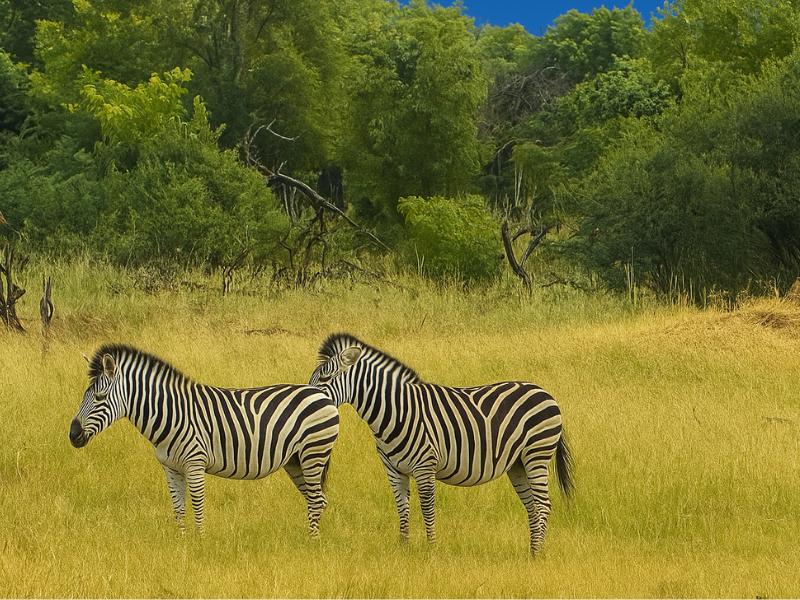
Plains game including kudu, impala, waterbuck, zebra, and various antelope species shows high visibility during dry season with animals concentrated in open areas near water. The sparse vegetation, dried grass, and predictable water-dependent movements create easy spotting with herds visible from hundreds of meters away. Buffalo herds numbering thousands graze floodplains creating dust clouds, giraffe browse sparse woodland where their height makes them visible from great distances, and overall plains game diversity per drive reaches 15-20+ species easily.
Wet season thick vegetation hides plains game effectively despite animals being present in reasonable numbers. The lush green bush obscures animals at 20-30 meters making them invisible until vehicles pass directly adjacent, dense grass conceals smaller antelope species completely, and overall sighting frequencies drop 50-70% despite similar actual population densities. Buffalo herds fragment and disperse, giraffe blend into leafy vegetation, and guides must work significantly harder achieving fewer sightings despite spending equivalent time searching.
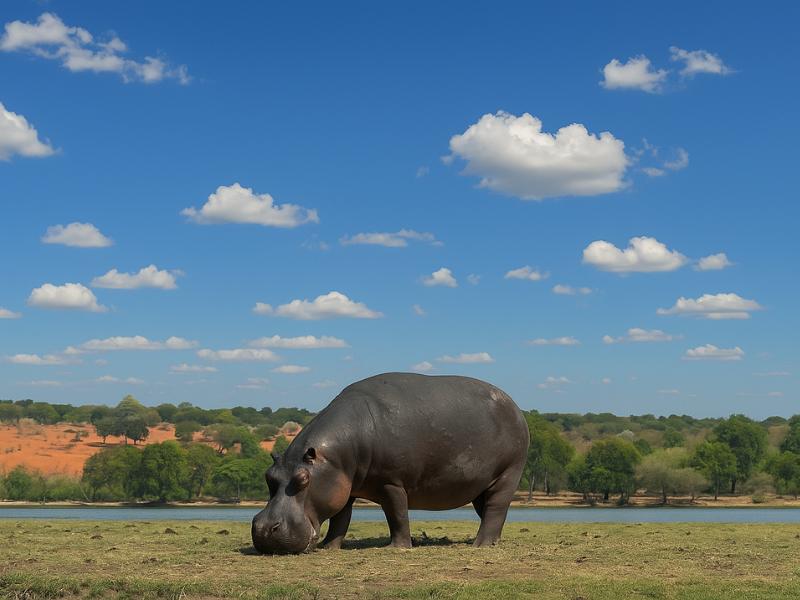
Hippos and crocodiles maintain year-round Chobe River residence providing reliable viewing regardless of season, though dry season conditions improve sighting quality and proximity. Low dry season water levels expose sandbanks and beaches where crocodiles bask in large numbers, concentrating hippo pods into smaller river sections creating dense aggregations, and allowing boat cruises to approach more closely to animals at water’s edge. The clear water and good visibility create excellent photography opportunities with defined subjects against clean backgrounds.
Wet season high water levels flood riverbanks reducing basking areas for crocodiles, dispersing hippo pods across wider river sections, and creating murkier water with suspended sediment limiting visibility. The animals remain present and boat cruises still deliver near-guaranteed sightings (85-95% probability wet season vs 95-99% dry season), but viewing quality decreases with animals farther from boats, less concentrated aggregations, and reduced photographic opportunities.
Birdlife shows significant seasonal variation with resident species present year-round supplemented by 100+ migratory species arriving November-March. Dry season delivers excellent birding with 300+ resident species including African fish eagles, various kingfishers, herons, storks, hornbills, and diverse raptors. The sparse vegetation improves visibility for spotting birds, concentrated wildlife attracts scavengers and predators, and overall diversity allows identifying 80-120 species during 3-4 day safaris.
Wet season November-April adds European and Palearctic migrants escaping northern winters plus intra-African migrants following seasonal rainfall patterns. Carmine bee-eaters nest in spectacular riverbank colonies August-November visible from boat cruises, woodland kingfishers arrive with first rains announcing wet season, various cuckoos, bee-eaters, and warblers supplement resident populations, and overall diversity peaks at 150-200+ species for serious birders. The breeding activity, vibrant plumage, and abundant insects create exceptional birding opportunities compensating for reduced mammal viewing during wet months.
Rare species including wild dogs, cheetahs, servals, and caracals maintain low sighting probabilities year-round with marginal seasonal variations. Wild dogs range widely in packs of 8-15 individuals with 10-20% sighting probability on multi-day safaris, slightly improved April-September when denning restricts movements to smaller territories. Cheetahs prefer open grasslands found sparingly in Chobe with 5-15% overall probability, marginally better during dry season when visibility improves and cats hunt concentrated prey on floodplains.
Servals, caracals, honey badgers, and other rare species show 5-10% sighting odds regardless of season as nocturnal or extremely shy behaviors limit encounters. Aardvarks, pangolins, and similar specialized species require exceptional luck with under 5% probability even on extended safaris. The rare species encounters happen opportunistically rather than through targeted searching, with experienced guides recognizing when conditions favor sightings but unable to guarantee encounters regardless of season or effort invested.
Wondering about wildlife? Check out our complete guide to the animals in Chobe tours – from the famous elephant herds to the rarer predators.
| Wildlife Species | Dry Season Probability (3-4 Day Safari) | Wet Season Probability (3-4 Day Safari) | Seasonal Difference |
|---|---|---|---|
| Elephants | 95-99% (herds 100-400) | 50-70% (groups 10-50) | Massive – dry season essential for herds |
| Lions | 60-80% | 20-40% | Significant – dry season much better |
| Leopards | 25-40% | 10-20% | Moderate – dry season better |
| Buffalo | 80-90% (herds 100-1,000+) | 50-60% (groups 20-100) | Significant – dry season better |
| Hippos | 95-99% | 85-95% | Minor – good year-round |
| Crocodiles | 90-95% | 80-90% | Minor – good year-round |
| Giraffe | 60-70% | 30-40% | Moderate – dry season better |
| Zebra | 50-60% | 20-30% | Moderate – dry season better |
| Wild Dogs | 15-20% | 10-15% | Minor – marginally better dry |
| Cheetahs | 10-15% | 5-10% | Minor – marginally better dry |
| Kudu | 70-80% | 40-50% | Moderate – dry season better |
| Impala | 99% | 90-95% | Minor – abundant both seasons |
| Waterbuck | 70-80% | 40-50% | Moderate – dry season better |
| Bird Species Diversity | 300+ residents (80-120 per safari) | 400+ including 100+ migrants (150-200 per safari) | Wet season better for birding |
Special Events and Considerations
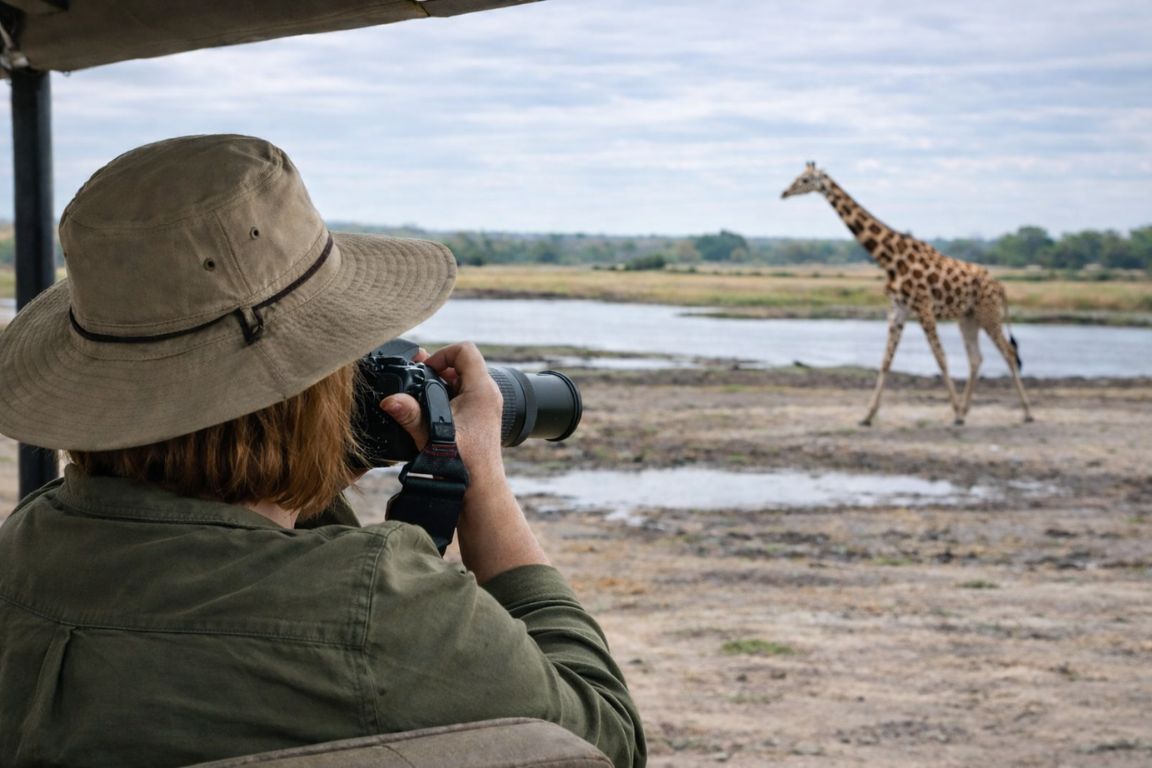 School holidays create the most significant impact on Chobe availability and pricing with July-August Northern Hemisphere holidays transforming the park into its busiest period. European and North American families restricted to summer vacation windows flood Chobe causing quality lodges to sell out 8-12 months ahead, prices to increase 30-50% above shoulder season rates, and overall tourism to reach annual peaks. August specifically requires 10-12 month advance booking for preferred riverfront lodges, with procrastinators settling for budget Kasane accommodation or paying premium rates for remaining inventory.
December Southern Hemisphere holidays bring Australian, South African, and regional families creating secondary surge lasting 2-3 weeks around Christmas and New Year. The December period sees 20-30% price increases above November rates, moderately busy lodges at 70-90% capacity, and advance booking 4-6 months recommended for quality properties. The school holiday constraints force families into specific periods regardless of optimal wildlife timing or pricing, while childless travelers benefit from deliberately avoiding these predictable crowd surges.
Migration patterns of Chobe’s 50,000+ elephants follow annual water availability cycles driving seasonal concentration fluctuations. Wet season November-April disperses elephants widely across the park and into neighboring countries as temporary water pans eliminate reliance on the Chobe River. Family groups range freely across hundreds of square kilometers accessing abundant food and water anywhere, with some elephants moving into Namibia’s Caprivi Strip or Zimbabwe’s Hwange National Park following ancient migration routes.
Dry season May-October brings progressive concentration along the Chobe River as temporary water sources dry up. May shows initial concentration with elephants beginning daily river visits, June-August delivers major gatherings with 100-300 animal herds, and September-October creates maximum densities with 200-500 elephants at peak riverfront gatherings. The elephants maintain interior feeding ranges but must travel 10-30km daily to reach river water, creating predictable afternoon arrival patterns between 3-6pm when massive herds converge for drinking sessions.
Breeding seasons for elephants occur year-round without specific peaks, though conception rates increase during wet season when abundant food supports pregnancy and lactation. Calves appear throughout the year with slightly higher numbers born during dry season May-October from wet season conceptions. Viewing young elephants works best during dry season when family groups concentrate at the river, allowing observation of tiny calves just weeks old, playful juveniles practicing swimming, and protective mothers teaching offspring essential survival skills.
Lion breeding shows no specific season with cubs appearing year-round, though slightly more births occur following good prey years when females maintain condition supporting reproduction. Dry season game drives provide better odds seeing cubs as prides concentrate near water where visibility improves, though cubs under 2-3 months often remain hidden in dense vegetation. Buffalo calving peaks during wet season when abundant grazing supports lactation, with reddish-brown calves visible among herds during November-March though challenging to observe in thick vegetation.
Bird migration follows predictable annual patterns with European and Palearctic migrants arriving November as northern winter approaches, settling into Chobe for 4-5 month stays before March-April departure back to breeding grounds. Woodland kingfishers announce wet season with loud calls, carmine bee-eaters establish spectacular riverbank nesting colonies visible from boat cruises, and various cuckoo species, warblers, and other migrants supplement resident populations creating peak diversity December-February.
Intra-African migrants including white storks arrive in large flocks during wet season, various wetland species follow rainfall patterns across the continent, and overall bird activity peaks with breeding resident species displaying vibrant plumage and nesting behaviors. The migration timing makes November-March optimal for dedicated birders despite compromised mammal viewing, with 150-200+ species identifiable during week-long visits compared to 80-120 species during dry season.
River crossings provide spectacular dry season specialty viewing as elephants swim Chobe River channels moving between feeding and drinking areas. The crossings occur throughout dry season May-October with peak frequency during September-October when low water levels expose sandbanks and beaches creating defined crossing points. Adult elephants walk on river bottom using trunks as snorkels while heads remain submerged, calves paddle frantically beside mothers barely keeping heads above water, and entire family groups coordinate crossings ensuring no individuals get swept downstream.
The crossings typically happen late afternoon 4-6pm when elephants finish drinking and return to interior feeding grounds, though morning crossings occur as animals arrive at the river. Boat cruises provide optimal viewing positioning upstream or downstream from crossing points, with patient guides waiting at known crossing areas when elephants gather on banks preparing to enter water. The dramatic sightings create iconic Chobe moments and exceptional photography opportunities unique to the dry season riverfront experience.
Full moon impacts night wildlife activity with nocturnal predators hunting more actively during bright moon phases when visibility improves. Lions extend hunting into moonlit nights rather than concentrating efforts during dark new moon periods, nocturnal species including honey badgers, genets, and civets show increased activity, and overall night movement intensifies. The full moon effect rarely influences daytime safari scheduling but benefits travelers booking night drives in private concessions where nocturnal game viewing is permitted.
The moon phase affects photography more significantly than wildlife viewing, with full moon nights providing light for experimental long-exposure landscape photography, new moon phases delivering spectacular star photography opportunities, and moon position affecting sunset and sunrise light quality. Serious photographers may time visits around specific moon phases for desired photographic conditions, though most visitors don’t consider moon timing when planning trips.
Photography considerations vary dramatically by season affecting light quality, wildlife positioning, and overall shooting conditions. Dry season delivers harsh midday light with intense sun creating strong shadows and contrast challenges, though golden hour morning and afternoon light produces warm tones ideal for wildlife photography. The sparse vegetation and open landscapes create clean uncluttered backgrounds, while dusty conditions create atmospheric haze and potential equipment challenges requiring protective measures.
Wet season provides softer diffused light with cloud cover reducing harsh shadows, dramatic storm clouds creating spectacular skies, and post-storm golden light producing saturated colors and atmospheric conditions. The lush green vegetation creates beautiful backgrounds contrasting with dry season browns, though thick bush limits clear shooting angles and animal visibility. Wildlife photographers generally prefer dry season for concentrated subject matter and predictable conditions despite harsh light, while landscape photographers appreciate wet season’s dramatic skies and green scenery creating diverse seasonal portfolios.
FAQ: Best Time to Visit Chobe
1. What is the best month to visit Chobe National Park?
September-October for maximum wildlife concentrations with massive elephant herds (200-500 animals), though October brings extreme heat (95-105°F). July-August for perfect weather and excellent wildlife at peak prices and crowds. May-June for best value combining very good wildlife, comfortable temperatures, and 25-35% lower costs than peak season.
2. When is the worst time to visit Chobe?
March-April during peak rains when animals disperse, thick vegetation obscures sightings, roads become impassable, and many lodges close. February also challenging with heavy rains and poorest game viewing of the year. Avoid these months unless extreme budget constraints leave no choice.
3. When can you see the most elephants in Chobe?
September-October delivers maximum concentrations with 200-500 elephants at afternoon river gatherings as water stress peaks before November rains. July-August also excellent with 150-300 elephant herds. May-June shows good concentrations (80-200 animals) building throughout dry season. Wet season November-April sees only scattered groups of 10-50 elephants.
4. Is Chobe worth visiting in the wet season?
Only for specific travelers: serious birders targeting 100+ migratory species, extreme budget travelers accepting 40-60% savings for compromised viewing, and photographers wanting green landscapes. General safari visitors should avoid wet season due to dispersed animals, thick vegetation, rain disruptions, and significantly reduced sighting success.
5. When is the cheapest time to visit Chobe?
January-March offers lowest rates at 50-60% below peak season with lodges at $120-200 per night versus $320-450 peak. November-December also discounted 40-50%. The savings reflect challenging wet season conditions with poor game viewing, heavy rains, and limited lodge operations.
6. How hot does Chobe get in October?
Very hot with afternoon temperatures reaching 95-105°F regularly, creating oppressive midday conditions. Mornings start comfortable at 65-75°F but heat builds rapidly by 10-11am. Despite extreme heat, October delivers absolute best wildlife concentrations of the year, appealing to heat-tolerant visitors prioritizing animals over comfort.
7. What is Chobe like in June?
Excellent shoulder season combining very good wildlife (85% of peak season quality), cool pleasant weather (50-80°F), moderate crowds, and good value at $210-300 per night. Elephant herds 80-200 animals, 50-60% lion sighting probability, comfortable temperatures, and peaceful atmosphere make June one of the best value months.
8. Can you visit Chobe year-round?
Yes, the park remains open year-round, though wet season November-April sees some lodges closed and challenging conditions. May-October dry season offers reliable access and operations. Wet season visits require verifying lodge availability and accepting limited accessibility, poor game viewing, and potential rain cancellations.
Glossary: Chobe Seasonal Terms
Dry Season vs Wet Season: Dry season (May-October) offers best game viewing with animals concentrated at river, sparse vegetation, minimal rain, and comfortable to hot temperatures. Wet season (November-April) brings dispersed wildlife, thick vegetation, heavy afternoon rains, and 40-60% lower pricing for travelers accepting challenging conditions.
Peak Season vs Shoulder Season: Peak season (July-September) delivers maximum wildlife, perfect weather, heavy crowds, and 30-50% pricing premiums requiring 8-12 month advance booking. Shoulder season (May-June, October) provides 80-90% comparable wildlife at 25-35% lower costs with fewer tourists and easier booking.
Green Season: Marketing term for wet season (November-April) emphasizing lush landscapes, migratory birds, and dramatic storms rather than challenging game viewing. Used by tourism operators to attract budget travelers and birders during traditional low season.
Migration (Elephant Patterns): Annual movement cycle where elephants disperse widely across park and neighboring countries during wet season when water is abundant everywhere, then concentrate along Chobe River during dry season as temporary water sources dry up forcing daily river visits.
River Levels: Chobe River water height fluctuating seasonally from high February-April flooding covering banks to low October-November exposing wide beaches and sandbanks. Low dry season levels concentrate wildlife at remaining water while high wet season floods disperse animals across accessible habitat.
Breeding Season: Period when animals reproduce and raise young. Elephants breed year-round with slightly more calves born during dry season. Lions and other predators breed opportunistically throughout the year. Many bird species breed during wet season when insect abundance supports chick-rearing.
Early Booking Discount: Five to fifteen percent rate reductions offered by lodges for reservations made 9-12+ months ahead, rewarding advance planners with lower pricing than last-minute bookers pay. Most common for peak season July-September when early commitment secures inventory.
School Holiday Periods: July-August Northern Hemisphere holidays (Europe, North America) and December Southern Hemisphere holidays (Australia, South Africa) driving peak demand regardless of optimal wildlife timing. Forces families with children into specific periods creating predictable annual tourism surges and premium pricing.
Ready to Book Your Chobe Safari at the Best Time?
Optimal Chobe timing depends on priorities: visit dry season May-October for best game viewing with animals concentrated at the river, choose peak July-September for maximum wildlife and perfect weather accepting premium pricing and crowds, select shoulder seasons May-June or October for 80-90% comparable wildlife at 25-35% lower costs with fewer tourists, or consider wet season November-April only if extreme budget constraints or dedicated birding interests justify compromised game viewing. September-October delivers absolute peak wildlife concentrations with 200-500 elephant herds despite extreme heat, while June offers sweet spot of very good wildlife, comfortable weather, and excellent value.
Compare dates on a full-day Chobe safari for your window, then read that month against the wildlife, weather, crowd, and price notes above. If you can move dates by a few weeks, check a 3-day Chobe safari from Livingstone or Victoria Falls; if the trip also includes the Delta, see the Chobe and Okavango itinerary.
At Chobe Tours, we’ve guided safaris every month across many years experiencing spectacular September elephant gatherings, comfortable June conditions, challenging March rains, and everything between. Once a month looks right, open a full-day Chobe safari via Kazungula Bridge and compare dates rather than choosing only by which month is cheapest. We’ve watched properly-timed visits create incredible safari memories and poorly-timed trips disappoint visitors who could have seen so much more with better advance planning.
Contact Chobe Tours at chobetours.com for seasonal guidance helping you choose optimal timing for your specific situation, whether that’s peak season guarantees, shoulder season value, or wet season budget adventures with realistic expectations.
The elephants concentrate May through October. The crowds surge July through September. The prices vary 40-60% by season. The question is understanding what each month delivers and choosing timing matching your priorities.
From the guides at Chobe Tours who’ve experienced scorching October heat with 400-elephant herds, peaceful June game drives with comfortable weather and excellent wildlife, challenging March rains with minimal sightings, and spectacular August peaks with crowded vehicles, across every season over many years helping thousands of visitors choose optimal timing for their individual priorities and constraints.