Chobe Safari Costs Explained
How much does a Chobe safari really cost? This transparent guide breaks down prices from budget to luxury, what’s included, hidden fees, and how to get real value.
Last updated: March 10, 2026
Tourists researching Chobe safaris frequently express shock at pricing variations showing $300 budget options alongside $2,500 luxury packages for seemingly identical 3-day trips, or confusion about what’s actually included when one operator quotes $900 all-inclusive while another charges $450 plus separate activity fees totaling another $400. Some visitors book suspiciously cheap safaris discovering hidden costs for activities, park fees, and meals ballooning final bills 50-100% above quoted prices, while others overpay for luxury lodges when mid-range options would have delivered 90% comparable experiences at half the cost. The pricing confusion stems from inconsistent operator quoting practices, genuine quality differences that justify premium rates, and lack of transparent breakdown showing where safari money actually goes.
At Chobe Tours, we’ve helped thousands of visitors understand realistic Chobe costs and maximize value within their budgets over many years, knowing exactly what different price points deliver and when premium spending improves experiences versus when it wastes money on unnecessary luxury. This complete cost guide covers total safari costs from $300 budget through $2,500+ luxury for various durations, major cost components including accommodation (40-50% of budgets), activities (25-35%), meals, and transfers, what’s actually included versus excluded in different package types, hidden costs from tipping through premium drinks that add $50-150 to daily budgets, budget optimization strategies saving 25-40% without sacrificing wildlife quality, and honest value assessment explaining when spending more improves experiences versus when cheapest adequate options work perfectly well. We provide transparent pricing showing where your money goes and how to get maximum safari value regardless of budget level.
What Does a Chobe Safari Cost?
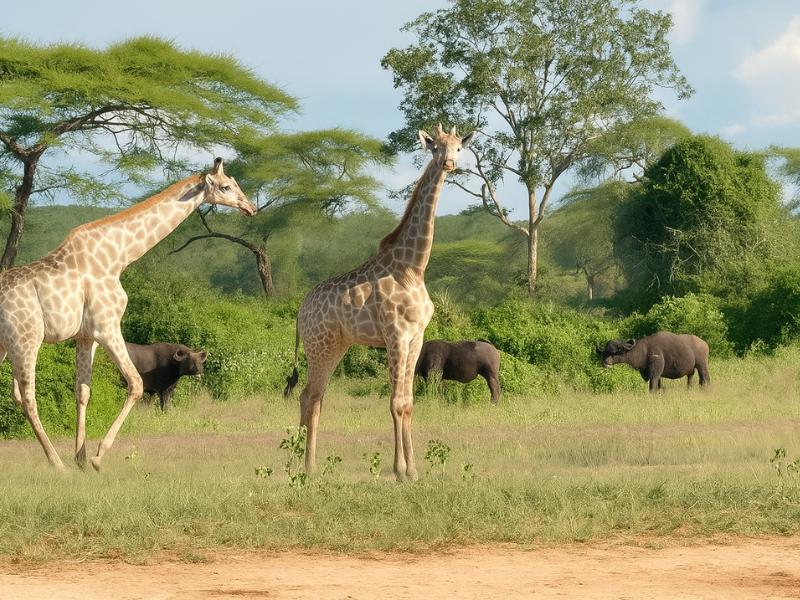
Three-day Chobe safaris cost $300-600 per person budget tier using Kasane town lodges with basic but adequate experiences, $600-1,200 per person mid-range including riverfront lodges and quality operators delivering comfortable excellent-value safaris, or $1,200-2,500+ per person luxury providing exclusive lodges, private vehicles, and premium service with marginal wildlife improvements but major comfort gains. Two-day minimum stays run $200-400 budget, $450-600 mid-range, $800-1,200 luxury, while extended 4-day trips cost $800-1,200 budget, $1,200-1,600 mid-range, $2,000-3,200+ luxury per person.
Major cost components break down as accommodation consuming 40-50% of total safari budgets at $50-150 nightly budget tier, $200-400 mid-range, $500-1,200+ luxury, representing single largest expense. Activities including game drives and boat cruises account for 25-35% at $40-80 per drive and $40-70 per cruise, totaling $320-600 for typical 3-day safari with 6-8 activities. Meals represent 10-15% through self-catering at $20-40 daily, restaurant dining $30-75 daily, or full board packages $40-80 daily. Transfers, park fees, and miscellaneous expenses comprise final 10-15% including airport transfers $15-80, park entry $50-70 daily, and incidental costs.
What affects total cost starts with duration as longer stays spread fixed costs across more days reducing per-day rates, with 4-day safaris costing less daily than 2-day minimums despite higher total prices. Season dramatically impacts pricing with peak July-September charging 30-50% premiums over shoulder season May-June and October, while wet season November-April offers 40-60% discounts accepting compromised wildlife viewing. Accommodation level creates widest cost variations from $50 budget guesthouses through $400 mid-range riverfront lodges to $1,200+ exclusive camps, with quality differences justifying some but not all premium pricing. Activities included versus pay-as-you-go affects apparent package costs, with all-inclusive lodges appearing expensive but including activities that budget options charge separately.
Not sure if you should stay overnight? Check out our breakdown of multi-day vs day trip in Chobe tours – the differences are bigger than you’d think.
DIY vs package comparison shows packages bundling accommodation, activities, meals, and transfers delivering 15-25% savings versus booking components separately, with 3-day mid-range packages at $900-1,200 costing significantly less than equivalent DIY bookings totaling $1,100-1,500 when purchasing lodging, drives, boats, and meals individually. The savings increase with duration as multi-day packages leverage bulk discounts and operational efficiencies, while DIY booking suits experienced travelers wanting specific customization or extended stays where flexibility outweighs package savings. First-time visitors and those prioritizing convenience over maximum customization generally achieve better value through packages.
Victoria Falls combination costs add $400-800 per person for 2-3 day Victoria Falls extensions including accommodation, park entry ($30-50), major activities (devil’s pool $150-200, helicopter flights $150-300, bungee jumping $160), and transfers between destinations ($50-80 shared). The combined 5-6 day Chobe plus Victoria Falls trips cost $800-1,400 budget, $1,400-2,400 mid-range, $2,500-5,000+ luxury per person, representing popular itineraries maximizing southern Africa wildlife and adventure experiences. The proximity (70km between Kasane and Victoria Falls) and complementary attractions (wildlife viewing plus waterfalls and adrenaline activities) make combinations logical for visitors with 5-7 days available.
| Duration | Budget (Per Person) | Mid-Range (Per Person) | Luxury (Per Person) | What’s Included | Best For |
|---|---|---|---|---|---|
| 2 Days/1 Night | $200-400 | $450-600 | $800-1,200 | 2 drives, 2 boats, 1 night accommodation, basic meals | Minimum adequate, Victoria Falls add-on, tight budgets |
| 3 Days/2 Nights | $300-600 | $600-1,200 | $1,200-2,500 | 3-4 drives, 3-4 boats, 2 nights accommodation, most meals | Optimal duration, best value per day, most popular |
| 4 Days/3 Nights | $800-1,200 | $1,200-1,600 | $2,000-3,200 | 4-5 drives, 4-5 boats, 3 nights accommodation, full board | Comprehensive coverage, relaxed pace, weather buffers |
| 5-6 Days Combined | $800-1,400 | $1,400-2,400 | $2,500-5,000+ | Chobe 2-3 days + Victoria Falls 2-3 days, all activities | Complete southern Africa experience, wildlife + waterfalls |
Accommodation Costs: The Biggest Variable
Budget lodges/camps in Kasane town cost $50-150 per person per night providing basic but clean accommodation with en-suite bathrooms, air conditioning, and essential amenities without riverfront locations or premium service. Properties like Thebe River Safaris, Chobe Safari Lodge budget rooms, and various guesthouses offer functional comfortable lodging 5-15km from park gates, requiring transfers to activities but delivering significant savings versus riverfront alternatives. The budget tier includes older facilities, smaller rooms, limited common areas, and basic breakfast only, with guests self-arranging activities through separate operators and dining independently at Kasane restaurants.
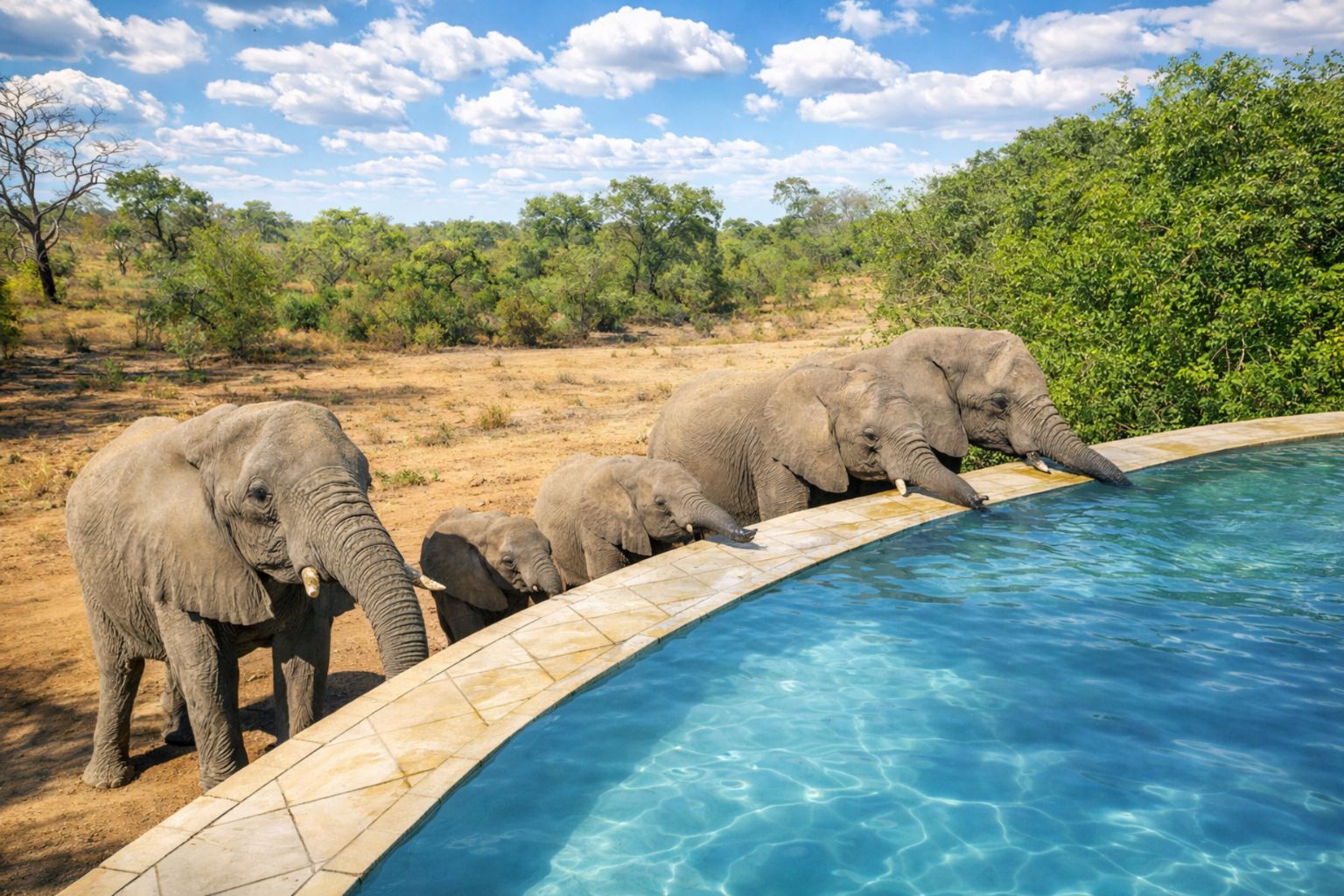
Mid-range riverfront lodges charge $200-400 per person per night for quality accommodation directly on Chobe River with superior locations, comfortable rooms, swimming pools, restaurants, and often activity coordination though not always fully inclusive pricing. Properties like Chobe Bush Lodge, Cresta Mowana Safari Resort, and similar mid-tier riverfront hotels provide good-quality experiences with elephants visible from rooms, on-site activity booking, full-service restaurants and bars, and professional staff without reaching exclusive luxury levels. The mid-range tier represents optimal value for most visitors balancing location, comfort, and cost, with some properties including activities in rates while others charge separately requiring verification during booking.
Luxury lodges/camps command $500-1,200+ per person per night for exclusive all-inclusive experiences featuring premium riverfront locations, spacious suites, gourmet dining, top-shelf drinks, private guides, and exceptional personalized service. Properties like Chobe Game Lodge (inside park boundaries), Sanctuary Chobe Chilwero, and boutique tented camps provide ultra-comfortable accommodation with private decks overlooking river, twice-daily activities included, comprehensive beverage packages, spa services, and maximum 20-40 guests creating intimate atmosphere. The luxury tier suits honeymooners, special occasions, travelers prioritizing comfort over value, and visitors wanting guaranteed premium experiences without compromising any aspect.
Self-catering options charge $40-100 per room per night (not per person) for apartments and guesthouses with full kitchens, making them budget-friendly for groups of 3-4+ people splitting costs. Properties like self-catering chalets at various Kasane guesthouses provide bedrooms, bathrooms, living areas, and equipped kitchens allowing grocery shopping and meal preparation saving $30-75 per person daily on restaurant dining. The self-catering approach requires more effort shopping and cooking but delivers maximum value for budget travelers, families with children, and extended stays where restaurant costs accumulate significantly.
What’s included varies dramatically across accommodation tiers creating confusion when comparing quoted prices. Budget lodges typically include only room and basic breakfast with all activities, other meals, drinks, and transfers charged separately. Mid-range properties range from bed-and-breakfast only through full board (all meals) to some offering inclusive packages with activities, requiring careful verification of what quoted rates actually cover. Luxury lodges almost universally operate all-inclusive with accommodation, all meals, local drinks, twice-daily activities, and transfers from local airports included in nightly rates, though premium imported drinks, spa treatments, and specialty activities sometimes cost extra.
Location premium shows Kasane town accommodation 5-15km from park costing $50-200 per person nightly while equivalent-quality riverfront lodges directly on Chobe River charge $200-500, with the $150-300 premium buying superior location where elephants drink outside rooms, immediate activity access, and bush atmosphere versus town convenience. Inside-park lodges like Chobe Game Lodge command highest premiums at $500-1,200+ nightly for exclusive locations inaccessible to day visitors, though wildlife viewing advantages prove minimal compared to riverfront lodges just outside park boundaries. The location decision balances cost savings (town lodges) against atmosphere and convenience (riverfront), with most visitors finding mid-range riverfront properties justify premium costs through significantly enhanced experiences.
| Accommodation Tier | Price Per Person Per Night | Typical Location | What’s Included | Room Quality | Best For |
|---|---|---|---|---|---|
| Budget Guesthouse | $50-100 | Kasane town, 5-15km from park | Room + basic breakfast only | Clean basic rooms, essential amenities, older facilities | Backpackers, budget travelers, young adventurers prioritizing wildlife over comfort |
| Budget Lodge | $100-150 | Kasane town or outskirts | Room + breakfast, sometimes dinner | Comfortable rooms, AC, pool, decent service | Budget-conscious but wanting more comfort than guesthouses |
| Mid-Range Town | $150-250 | Kasane town, better properties | Full board often available, activities extra | Good quality rooms, nice facilities, professional service | Value seekers, families, balancing cost and comfort |
| Mid-Range Riverfront | $200-400 | Chobe riverfront, prime location | Varies: B&B to full board, activities sometimes included | Quality rooms, river views, pools, good dining | Most visitors, optimal value, excellent location without luxury pricing |
| Upper Mid-Range | $400-600 | Prime riverfront, small properties | Often all-inclusive with activities | Spacious rooms/suites, excellent facilities, personalized service | Comfortable budgets, wanting near-luxury without extreme costs |
| Luxury Riverfront | $500-900 | Exclusive riverfront locations | All-inclusive: meals, drinks, activities | Luxury suites, private decks, premium amenities | Luxury travelers, honeymooners, special occasions |
| Ultra-Luxury | $900-1,200+ | Inside park or most exclusive sites | Fully inclusive, premium everything | Exceptional suites, ultimate service, maximum exclusivity | Ultra-luxury travelers, once-in-lifetime trips, no budget constraints |
| Self-Catering | $40-100 per room (not per person) | Kasane town | Room with kitchen only, no meals | Basic to comfortable, full kitchen facilities | Groups 3-4+, families, extended stays, maximum budget savings |
Safari Activity Costs
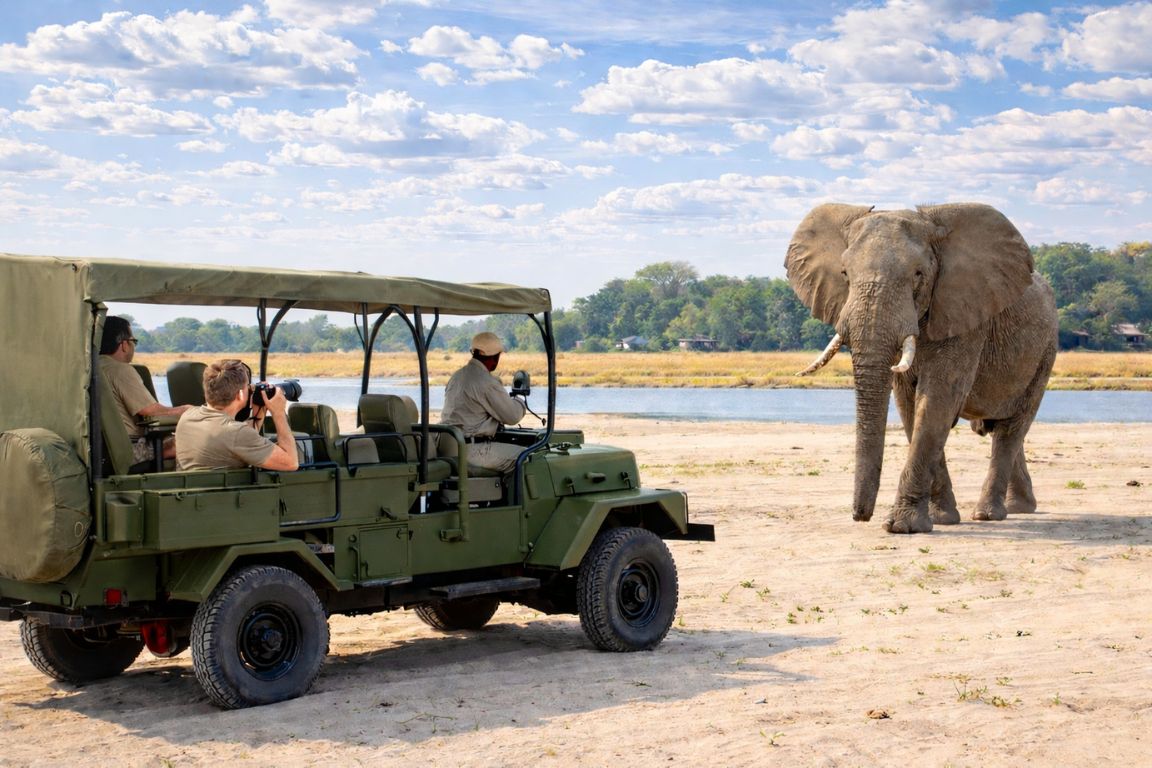
Game drive pricing ranges $40-50 per person for budget operators using older vehicles with 9 passengers and basic service, $50-65 mid-range for quality vehicles with 6-8 passengers and experienced guides, to $70-80 premium rates for purpose-built safari vehicles carrying maximum 6 passengers with expert trackers and comprehensive drink service. The 3-4 hour drives include guide services, park entry fees, and vehicle use, with some operators providing bottled water and bush stop refreshments while others offer nothing beyond wildlife viewing. Morning drives departing 6-6:30am and afternoon drives starting 3-3:30pm follow identical pricing, with quality differences between operators justifying premium rates through superior guides finding elusive species, better-maintained vehicles providing comfort, and smaller passenger loads allowing personalized attention.
We’ve got the game drive experience explained in Chobe tours based on what really happens – not just the glossy brochure version.
Boat cruise pricing spans $40-50 budget level for large boats carrying 25-30 passengers with water provided, $50-60 mid-range for quality boats with 15-20 passengers including soft drinks and beer, to $60-70 premium for smaller vessels hosting 8-12 passengers with comprehensive beverage service. The 2-3 hour cruises include experienced guides interpreting river wildlife, boat captains navigating safely, park entry fees, and life jackets, with drink inclusions varying dramatically from water-only through beer and wine to full bar service. Morning cruises 6:30-9am and afternoon cruises 3-6pm charge identical rates, with boat size and passenger capacity affecting experience quality more than dramatic wildlife viewing differences.
Can’t decide between the two? I’ve compared boat safari vs game drive in Chobe tours so you can see which gives you better wildlife encounters.
Full-day safari options cost $150-250 per person including 8-10 hours exploring remote park areas inaccessible during standard 3-4 hour drives, picnic lunch at scenic locations, comprehensive coverage of Savuti or other distant zones, and extended time allowing patient wildlife searching. The full-day format suits photographers wanting maximum shooting opportunities, serious wildlife enthusiasts pursuing rare species, and visitors wanting single comprehensive outing versus multiple shorter drives. The premium pricing reflects extended guide time, vehicle use throughout day, included lunch, fuel costs covering 150-250km distances, and access to areas standard drives never reach.
Walking safaris where available cost $90-150 per person for 2-3 hour guided walks in private concessions or designated areas, led by specialized armed guides trained in on-foot wildlife encounters and bush skills. The walking format provides ground-level perspectives, tracking opportunities following animal signs, detailed vegetation and ecology interpretation, and intimate small-scale wildlife encounters impossible from vehicles. Limited availability restricts walking safaris to specific operators with appropriate permits and qualified guides, making them specialty activities rather than standard offerings throughout Chobe.
Private vehicle/boat charters cost $250-450 total for exclusive vehicles accommodating 4-6 passengers and $350-600 for private boats hosting 6-12 passengers, creating excellent value for groups of 4+ people when divided per-person rates match or undercut shared activity pricing. The private arrangements allow customized itineraries following group interests, flexible timing adjusting to conditions and preferences, extended time at productive sightings without accommodating other passengers, and dedicated guide attention. Solo travelers and couples pay premiums for private options making shared activities more economical, while groups of 4-6 friends or family members achieve comparable or better per-person rates with dramatically enhanced experiences through exclusive arrangements.
Activity packages bundling multiple drives and boats deliver 10-20% savings versus individual bookings, with 3-day packages including 6-8 activities costing $350-550 compared to $400-650 purchasing separately. The multi-day bundles incentivize longer commitments through discounted per-activity rates, simplified logistics handling all coordination through single booking, and guaranteed balanced itineraries ensuring both game drives and boat cruises. Four-day packages with 8-10 activities show even greater savings at $500-750 versus $600-900 individual pricing, making packaged approaches clearly superior for visitors planning comprehensive multi-day safaris.
When activities are included varies by accommodation type with all-inclusive luxury lodges incorporating twice-daily activities in nightly rates eliminating separate activity charges, mid-range properties offering optional activity packages or pay-as-you-go flexibility, and budget lodges requiring separate activity bookings through independent operators. The pricing transparency requires verifying what quoted accommodation rates include, as $800 all-inclusive lodge including activities delivers different value than $400 lodge plus $400 separate activities totaling identical $800 but structured differently. Luxury travelers appreciate all-inclusive simplicity eliminating transaction hassles, while budget travelers benefit from pay-as-you-go flexibility controlling exact spending by selecting activity quantity and quality matching their preferences.
Meal Costs and Options
Kasane restaurants charge $10-25 per meal with budget options like local takeaways and simple cafes at $10-15 for basic plates, mid-range restaurants including Chobe Marina Lodge and various hotel dining rooms at $15-20 for decent quality meals, and upscale options at $20-25 for better cuisine and ambiance. Breakfast costs $8-12 for continental spreads or cooked options, lunch runs $10-18 for sandwiches through substantial plates, and dinner ranges $15-25 for main courses plus sides. The independent dining approach works for budget travelers wanting meal cost control, visitors on extended stays avoiding lodge dining monotony, and those preferring variety exploring different Kasane establishments rather than eating identical lodge menus repeatedly.
Lodge meal packages offering full board (breakfast, lunch, dinner) cost $40-80 per person per day depending on property quality, with budget lodges at $40-50 providing adequate but basic buffets, mid-range properties at $50-65 delivering good-quality varied menus, and upper mid-range at $65-80 featuring restaurant-quality cuisine. The full board convenience eliminates daily restaurant decisions and transportation to town for meals, guarantees food availability after activities when tired and hungry, and often delivers better value than equivalent independent dining once transportation costs and time considered. Half board (breakfast and dinner) packages run $30-50 daily, suitable for visitors wanting flexible lunches during activities or exploring Kasane lunch options.
All-inclusive lodges incorporate all meals in accommodation rates eliminating separate food charges, with luxury properties at $500-1,200+ nightly including gourmet dining, premium ingredients, varied menus changing daily, and exceptional presentation creating restaurant-quality experiences. The all-inclusive structure provides complete cost transparency with no surprise meal charges, encourages relaxed ordering without menu price concerns, and typically includes snacks, afternoon tea, and bush breakfast or dinner options during activities. The meal quality at luxury all-inclusive lodges significantly exceeds budget or mid-range dining, justifying portions of premium pricing through exceptional culinary experiences beyond simple nutrition.
Self-catering through grocery shopping and meal preparation costs $20-40 per person per day depending on menu ambitions and ingredient choices, with basic meals (pasta, rice, local produce) at $20-30 daily and more elaborate cooking reaching $35-40. Kasane supermarkets including Choppies and Spar stock adequate selections of fresh produce, meats, staples, and packaged goods at reasonable prices comparable to South African rates. The self-catering approach maximizes budget effectiveness for groups of 3-4+ people sharing cooking duties and costs, families with children having particular dietary needs, and extended stays where restaurant costs accumulate to hundreds of dollars over week-long visits.
Drinks pricing at lodges and restaurants shows local beers (St. Louis, Castle) at $3-5, imported beers at $5-8, house wine by glass $8-12 or bottles $25-40, premium South African wines $40-80 bottles, and spirits $8-15 per drink for standard brands or $15-25+ for premium labels. All-inclusive lodges typically include local beers, house wines, and standard spirits with premium imports charged separately, while mid-range properties charge for all alcohol and budget lodges often lack bars requiring purchasing drinks at Kasane bottle stores for room consumption. The drink costs add significantly to daily budgets with moderate drinkers spending $20-40 daily and heavy consumers reaching $50-80, making beverage inclusions valuable components of all-inclusive packages.
Complete 3-Day Safari Cost Breakdown
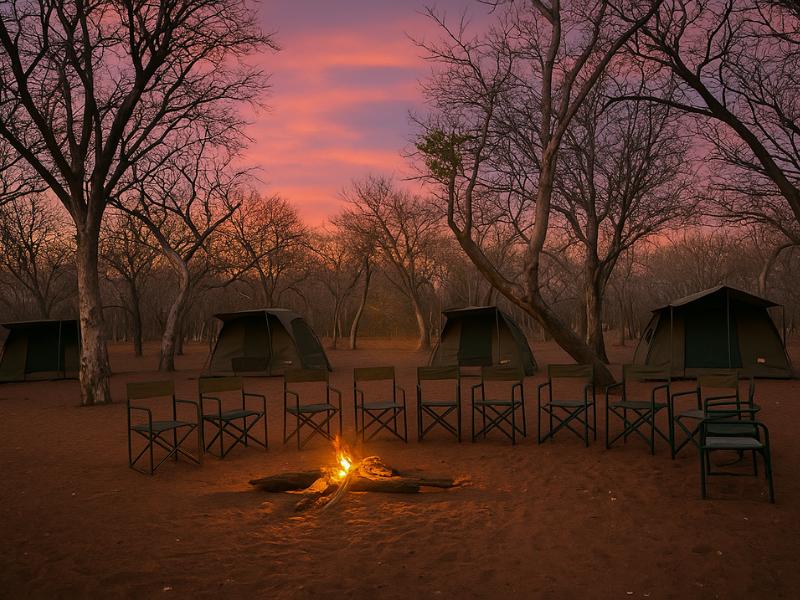
Budget tier ($300-600) delivers adequate Chobe experiences through smart compromises on comfort without sacrificing wildlife quality. Day 1 costs include Kasane budget lodge $60 per person, afternoon game drive $45, dinner at local restaurant $15, totaling $120. Day 2 adds breakfast included in lodge rate, morning boat cruise $45, lunch at takeaway $12, afternoon game drive $45, dinner $15, second night accommodation $60, totaling $177. Day 3 includes breakfast, morning boat cruise $45, lunch $12 before departure, totaling $57. The 3-day budget total runs $354-420 per person including 4 activities (2 drives, 2 boats), 2 nights basic accommodation, most meals, and park fees included in activity pricing.
Mid-range tier ($600-1,200) provides comfortable quality experiences representing optimal value for most visitors through riverfront lodges and experienced guides. Day 1 costs include riverfront lodge $280 per person with dinner, afternoon boat cruise $55, totaling $335. Day 2 adds full board meals included in lodge rate, morning game drive $60, afternoon drive $60, second night accommodation $280, totaling $400. Day 3 includes breakfast, morning boat cruise $55 before departure, totaling $55. The 3-day mid-range total runs $790-950 per person including 4 activities with quality operators, 2 nights riverfront accommodation with elephants visible from rooms, full board meals, and comprehensive service.
Luxury tier ($1,200-2,500+) delivers premium all-inclusive experiences with marginal wildlife improvements but dramatic comfort and service gains. Day 1 costs $650 per person all-inclusive including exclusive riverfront suite, gourmet dinner, premium drinks, afternoon private game drive with dedicated guide. Day 2 totals $650 including full gourmet board, unlimited premium drinks, morning and afternoon private activities with flexible scheduling, second night luxury accommodation. Day 3 runs $350 including breakfast, morning private boat cruise, departure. The 3-day luxury total reaches $1,650-2,200+ per person fully inclusive covering all meals, drinks, twice-daily private activities, exclusive lodge, and exceptional personalized service.
Per-day cost comparison shows budget tier at $120-200 daily, mid-range at $260-400 daily, and luxury at $550-750+ daily, with costs including accommodation, activities, meals, and services. Budget saves $140-200 daily versus mid-range through Kasane town lodges and basic operators, while mid-range saves $290-350 daily versus luxury through shared activities and standard riverfront accommodation. The per-day rates demonstrate diminishing returns as spending increases, with budget-to-mid-range upgrade delivering dramatic location and quality improvements for $140-200 additional daily while mid-range-to-luxury upgrade provides marginal wildlife gains but major comfort enhancements justifying premium only for travelers prioritizing luxury over value.
A couple from Australia booked 3-day mid-range package at $880 per person including Chobe Bush Lodge riverfront accommodation, 3 game drives and 3 boat cruises with quality operators, and full board meals. They told us the riverfront location with elephants drinking outside their room made mornings magical, the experienced guides found lions twice and leopard once exceeding expectations, comfortable rooms and good food satisfied without excessive luxury, and overall value felt perfect as they got excellent wildlife viewing and pleasant comfort without wasting money on unnecessary premium amenities. A honeymooning couple the same week spent $2,100 each for luxury all-inclusive at Sanctuary Chobe Chilwero with private vehicle, dedicated guide, gourmet meals, and exceptional service, feeling the premium was justified for once-in-lifetime trip despite acknowledging they saw similar wildlife to mid-range guests at triple the cost.
Practical recommendation for most visitors is 3-day mid-range packages at $600-1,200 representing optimal balance between cost, comfort, and wildlife quality, with riverfront locations dramatically enhancing experiences versus budget town lodges while avoiding luxury premiums that improve comfort without significantly affecting wildlife viewing success. The mid-range tier suits first-time safari visitors wanting quality guaranteed experiences, families needing reliable comfort, and travelers prioritizing wildlife over extreme luxury, delivering 90% of luxury wildlife results at 40-60% of luxury costs making it clearly superior value proposition.
Planning your itinerary? This breakdown of how many days you need in Chobe tours shows you what’s possible with 1, 2, or 3 days in the park.
| Cost Component | Budget (3 Days) | Mid-Range (3 Days) | Luxury (3 Days) | What You Get |
|---|---|---|---|---|
| Accommodation (2 nights) | $120-180 | $560-800 | $1,300-2,000 | Budget: Kasane town basic lodge; Mid: Riverfront quality lodge; Luxury: Exclusive riverfront suite |
| Game Drives (2-3 drives) | $90-135 | $120-195 | Included in accommodation | Budget: Older vehicles, 9 passengers; Mid: Quality vehicles, 6-8 passengers; Luxury: Private vehicle, dedicated guide |
| Boat Cruises (2-3 cruises) | $90-135 | $110-180 | Included in accommodation | Budget: Large boats, 25-30 passengers; Mid: Quality boats, 15-20 passengers; Luxury: Private or small exclusive boats |
| Meals | $60-90 | $100-150 (often included in lodge) | Included in accommodation | Budget: Restaurants/self-catering; Mid: Full board lodge meals; Luxury: Gourmet dining, premium ingredients |
| Drinks | $20-40 | $40-80 (pay-as-you-go) | Included in accommodation | Budget: Water/self-purchased; Mid: Some packages include; Luxury: Unlimited premium drinks |
| Transfers | $30-50 | $40-60 | Included in accommodation | Budget: Shared shuttles; Mid: Shared or lodge transfers; Luxury: Private transfers |
| Park Fees | Included in activities | Included in activities | Included in accommodation | All tiers: $50-70 per person per day covered |
| Tips | $30-50 | $50-80 | $80-120 | All tiers: $10-20 per guide per day recommended |
| TOTAL PER PERSON | $440-660 | $1,020-1,545 | $1,380-2,120+ (all-inclusive) | Budget: Adequate wildlife, basic comfort; Mid: Excellent wildlife, good comfort; Luxury: Similar wildlife, premium comfort |
| Per Day Rate | $145-220 | $340-515 | $460-705+ | Shows daily cost breakdown |
| Best For | Backpackers, budget travelers, young adventurers, maximizing days within limited budget | Most visitors, families, first-timers, optimal value-to-quality ratio | Honeymooners, luxury travelers, special occasions, no budget constraints |
Seasonal Pricing: When to Visit for Best Value
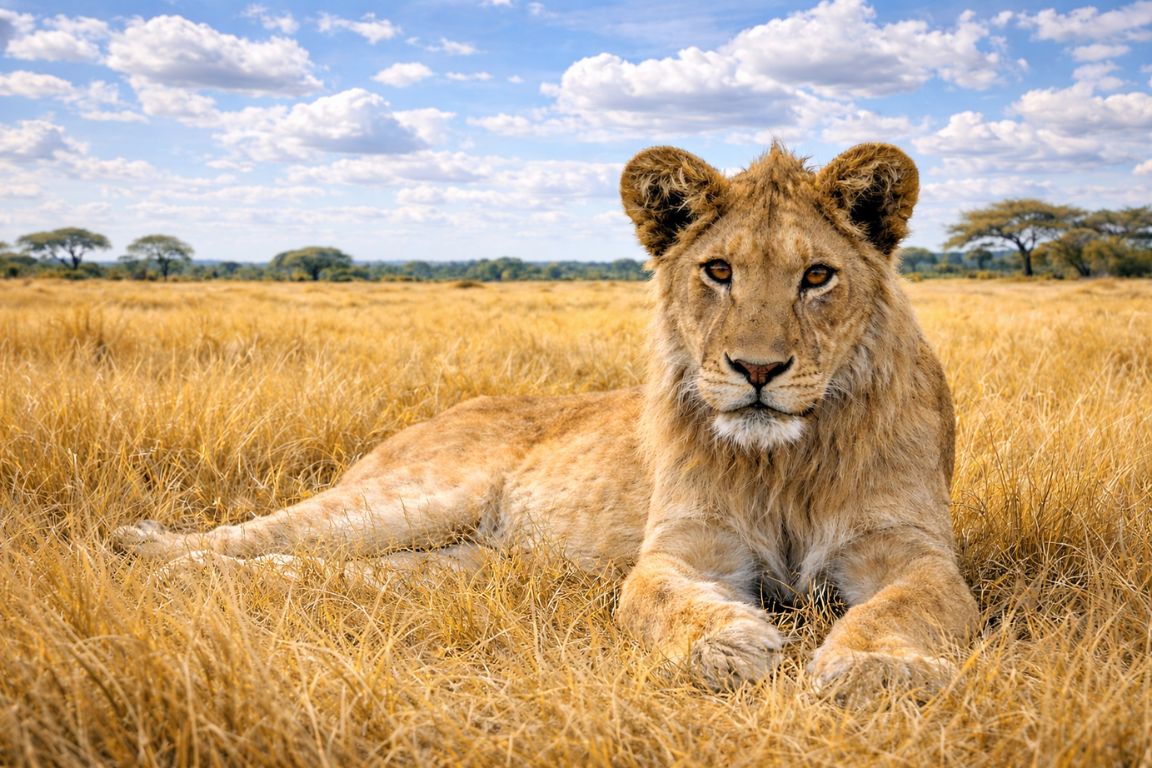
Peak season (July-September) commands highest rates with mid-range lodges charging $300-450 per person nightly versus $200-300 shoulder season, representing 30-50% premiums driven by Northern Hemisphere school holidays, perfect weather, and maximum wildlife concentrations. Budget lodges increase from $80-120 to $120-150 peak season while luxury properties jump from $600-900 to $900-1,200+ nightly. The premium pricing requires booking 8-12 months ahead as quality riverfront lodges sell out, with August specifically needing 10-12 month advance reservations. Total 3-day mid-range safaris cost $1,100-1,400 peak versus $750-950 shoulder season, adding $350-450 per person for marginally better wildlife and significantly more crowds.
Shoulder season (May-June, October) delivers best value with 25-35% discounts below peak rates while maintaining 80-90% comparable wildlife quality, making it optimal timing for budget-conscious travelers. Mid-range lodges drop to $200-300 nightly, budget options fall to $80-120, and luxury properties reduce to $600-900 creating significant savings. The 3-day mid-range safaris cost $750-950 shoulder versus $1,100-1,400 peak, saving $350-450 per person while still seeing elephants 95-99%, lions 60-70%, and excellent overall diversity. May-June offers comfortable cool weather and building wildlife concentrations, while October provides maximum animal densities despite extreme heat, both avoiding July-September’s heavy tourist crowds.
Wet season (November-April) offers lowest rates at 40-60% below peak season with mid-range lodges at $150-250 nightly, budget options $60-100, and luxury $400-700, creating dramatic savings for travelers accepting compromised wildlife viewing. Total 3-day mid-range safaris cost just $500-700 wet season versus $1,100-1,400 peak, saving $600-700 per person. The savings reflect genuinely challenging conditions with dispersed animals, thick vegetation obscuring sightings, afternoon thunderstorms disrupting activities, and some lodges closed November-March. March-April show worst conditions with heavy rains and minimal wildlife concentrations, while November-December and late April prove marginally better as transitional months.
Monthly pricing variations show clear patterns with May starting shoulder season at 25% below peak, June maintaining similar rates, then July jumping 35-40% as peak begins. August commands absolute highest rates 40-50% above shoulder, September holds peak pricing, October drops 20-30% as shoulder resumes, and November plummets 50-60% as wet season begins. December sees brief moderate increase for Southern Hemisphere holidays before January-April maintain lowest annual rates. The monthly fluctuations mean identical lodges cost dramatically different amounts depending on travel dates, with savvy planners choosing May-June or October achieving substantial savings.
Practical recommendation for value-focused travelers is visiting May-June or October shoulder seasons delivering optimal value-to-wildlife ratio, with May-June offering comfortable weather (50-85°F) and very good wildlife at 25-35% discounts, while October provides maximum wildlife concentrations matching peak season at 20-30% lower costs despite extreme heat (95-105°F afternoons). Heat-tolerant visitors prioritizing maximum elephants choose October, while those wanting comfortable temperatures select May-June, both dramatically outperforming peak July-September on value metrics while delivering 80-90% comparable wildlife experiences.
Recommended tours by season
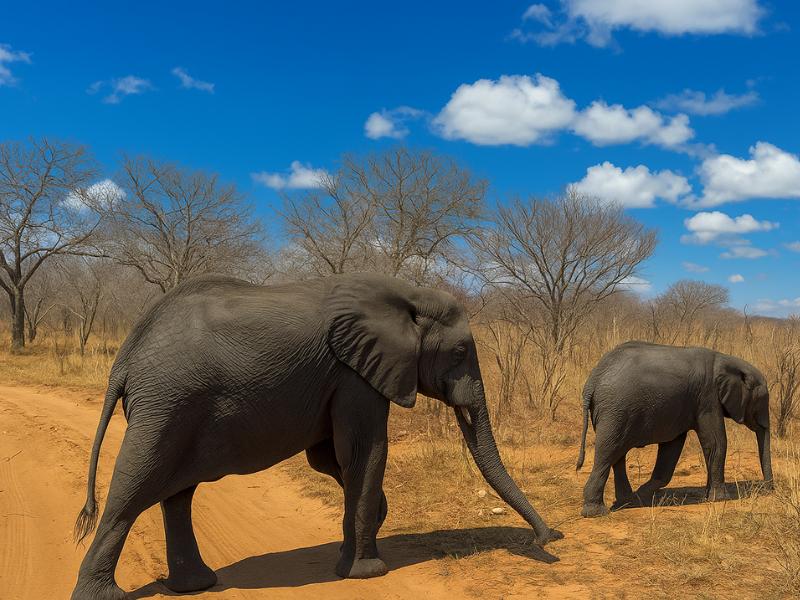
Full-Day Chobe Safari via Kazungula Bridge
Day trip from Victoria Falls across Kazungula Bridge, with a river cruise, game drive, and lunch.
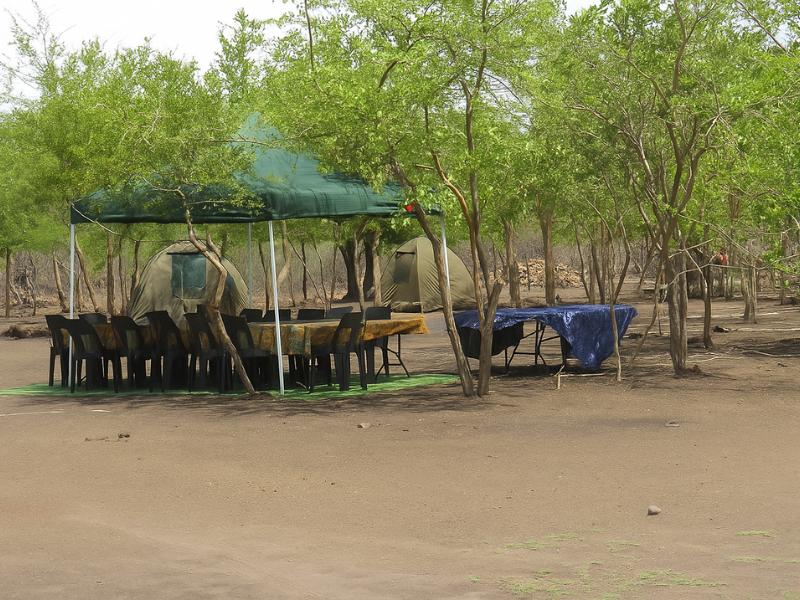
Overnight Chobe Safari with Camping
One night camping in Chobe, booked as a single overnight safari.
3-Day Chobe Safari Tour from Livingstone/Victoria Falls
Three-day safari from Livingstone or Victoria Falls with two nights in Chobe.
4-Day Chobe Tour, Victoria Falls & Hwange Tour
Four-day itinerary combining Chobe National Park, Victoria Falls, and Hwange.
We’ve mapped out the best time to visit Chobe tours month by month so you know when elephant concentrations peak and when to catch different species.
| Month | Season | Budget Lodge (Per Night) | Mid-Range Lodge (Per Night) | Luxury Lodge (Per Night) | Wildlife Quality | Crowds | Weather | Best For |
|---|---|---|---|---|---|---|---|---|
| January | Wet | $60-90 | $150-200 | $400-600 | Poor (3/10) | Minimal | Hot, heavy rains | Extreme budget only |
| February | Wet | $60-90 | $150-200 | $400-600 | Poor (3/10) | Minimal | Hot, heavy rains | Extreme budget only |
| March | Wet | $60-90 | $150-200 | $400-600 | Poor (2/10) | Minimal | Hot, heavy rains | Avoid if possible |
| April | Wet | $70-100 | $180-230 | $450-650 | Fair (4/10) | Light | Improving, rains decreasing | Budget/birders |
| May | Shoulder | $80-120 | $200-280 | $600-850 | Very good (8/10) | Moderate | Cool, comfortable (50-85°F) | Best value + comfort |
| June | Shoulder | $80-120 | $210-300 | $600-900 | Very good (8/10) | Moderate | Cool, comfortable (50-85°F) | Best value + comfort |
| July | Peak | $110-140 | $280-380 | $800-1,000 | Excellent (9/10) | Heavy | Pleasant (55-88°F) | School holidays, guarantees |
| August | Peak | $120-150 | $320-450 | $900-1,200 | Excellent (9/10) | Very heavy | Pleasant (55-88°F) | Peak wildlife + weather |
| September | Peak | $110-140 | $300-420 | $850-1,100 | Excellent (9/10) | Heavy | Hot (65-95°F) | Peak wildlife, heating up |
| October | Shoulder | $90-130 | $250-350 | $700-950 | Maximum (10/10) | Moderate-heavy | Very hot (65-105°F) | Best wildlife value |
| November | Wet | $70-100 | $180-240 | $450-700 | Fair (5/10) | Light | Hot, rains starting | Budget + birders |
| December | Wet | $80-110 | $200-280 | $500-750 | Fair (5/10) | Moderate (holidays) | Hot, afternoon rains | Southern Hemisphere holidays |
Hidden Costs and Budget Extras
Tipping guidelines recommend $10-20 per person per day for safari guides split between game drive and boat cruise guides, with $15 daily representing standard gratuity for quality service. Housekeeping staff receive $5-10 per room daily, trackers on specialized drives get $5-10 per outing, and lodge staff receive discretionary tips based on service quality. A typical 3-day safari requires $80-120 total tipping budget ($45-60 for guides across 6 activities, $15-30 for housekeeping, $20-30 for other staff), with amounts paid in US dollars, South African rand, or Botswana pula. Tips remain discretionary but expected, representing significant income for tourism workers earning modest base salaries.
Premium drinks often get excluded from packages with local beers, house wines, and standard spirits included at all-inclusive lodges but premium imported brands charged separately. Mid-range and budget properties typically exclude all alcohol requiring separate payment, with moderate drinkers spending $20-35 daily (2-3 beers at $5-8, glass wine $8-12) and heavy consumers reaching $40-60 daily through premium spirits ($12-20 per drink) and imported wines ($40-80 bottles). The cumulative costs add $60-180 to 3-day trip budgets, making beverage inclusions valuable package components versus properties charging for every drink.
Transfers between Kasane airport and lodges cost $15-30 per person for shared shuttles, $40-80 for private vehicles accommodating 2-4 passengers. Victoria Falls transfers from Kasane run $50-80 per person shared or $120-200 private for the 70km journey including border crossing time. Many packages include airport-lodge transfers but exclude Victoria Falls connections, requiring verification of what’s covered. Self-drivers eliminate transfer costs but add vehicle rental ($60-120 daily) and fuel ($60-100 for 3-4 days) potentially exceeding shared transfer expenses.
Visa fees vary by nationality with Botswana offering visa-free entry for most Western visitors (US, UK, EU, Canada, Australia) but requiring $30-50 visas for some Asian, African, and other nationalities. Zimbabwe charges Americans $50 single entry visas, while UK/EU citizens enter free, creating confusion requiring advance research of specific passport requirements. The KAZA UniVisa ($50) allows multiple entries across Zambia and Zimbabwe over 30 days, worthwhile for visitors crossing borders repeatedly. Visa costs add $0-100 per person depending on nationality and intended border crossings.
Travel insurance costs $50-150 for comprehensive 5-7 day coverage including medical evacuation benefits essential for remote African destinations where serious illness or injury requires air ambulance to South African hospitals costing $10,000-50,000+ without insurance. Basic travel insurance covering trip cancellation and baggage runs $30-60 but lacks critical medical evacuation coverage, while comprehensive policies at $80-150 include $100,000-250,000 emergency medical and evacuation benefits plus trip interruption protection. The insurance represents essential rather than optional expense given medical evacuation costs potentially bankrupting families without coverage.
Laundry, WiFi, souvenirs add daily comfort costs often overlooked in budget planning. Lodge laundry services charge $5-15 per item making 3-day stay laundry costs reach $30-60, though hand-washing in rooms eliminates charges. WiFi varies from free basic service at some lodges to $10-20 daily for reliable connections at others, with Kasane town offering $10-20 local SIM cards providing better connectivity than lodge WiFi. Souvenirs and crafts range $10-50 for small items (keychains, bracelets) to $50-200 for quality wood carvings, baskets, or paintings, with reasonable budgets allocating $50-150 total for gifts and mementos creating additional $20-50 daily discretionary spending beyond core safari costs.
Package Deals vs DIY Booking: Which Saves Money?
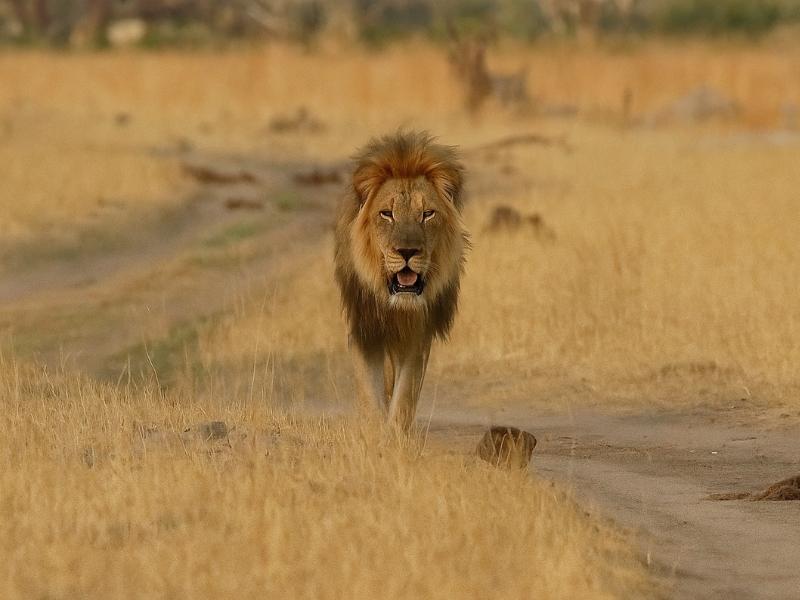
Package advantages deliver 15-25% savings versus booking components separately, with 3-day mid-range packages at $900-1,200 costing significantly less than equivalent DIY arrangements totaling $1,100-1,500 when purchasing accommodation, activities, meals, and transfers individually from different operators. The bundled pricing reflects bulk discounts lodges provide to tour operators, activity savings through pre-negotiated rates, and elimination of middleman margins on each component. Beyond financial savings, a package such as the 3-day Chobe safari from Livingstone or Victoria Falls puts the lodge nights, drives, and boats in one booking so you are not lining up each operator yourself.
DIY advantages center on flexibility for experienced travelers who know exactly what they want, with ability to choose specific lodges matching personal preferences, select particular activity operators based on reviews or recommendations, adjust itineraries mid-trip based on conditions, and potentially extend stays or modify plans without package constraints. Self-booking works for travelers with African experience understanding logistics, those planning extended multi-week stays where package structures become restrictive, visitors with specific requirements like specialized photography guides, and people willing to invest significant research time finding optimal independent operators. The customization possibilities and control appeal to independent travelers comfortable navigating foreign booking systems and handling coordination personally.
Cost comparison for identical 3-day mid-range itinerary shows dramatic differences between approaches. Package booking costs $950 total including 2 nights Chobe Bush Lodge riverfront accommodation ($560), 3 game drives ($180), 3 boat cruises ($165), full board meals ($90), airport transfers ($40), and coordination services ($60 implicit value), with 15% bundle discount applied yielding $950 final price. DIY booking purchasing identical components separately runs $1,280 total: lodge directly $650 (no bulk discount), game drives booked individually $210 (3 x $70 no multi-day discount), boat cruises separately $195 (3 x $65 no bundle rate), meals at restaurants $105 (higher than lodge package rates), separate transfer arrangements $60, coordination time/hassle $60 implicit cost. The $330 DIY premium (35% more expensive) eliminates any flexibility benefits for standard 3-day trips.
What packages typically include covers accommodation for specified nights, predetermined number of game drives and boat cruises with set operators, most meals (full board, half board, or breakfast only depending on package tier), airport or border transfers, park entry fees, and basic drinks (water, sometimes soft drinks). Packages exclude premium imported alcohol, tips for guides and lodge staff ($50-80 total for 3 days), personal expenses like laundry or souvenirs, optional specialty activities beyond standard drives/cruises, and visa fees if required. The inclusion transparency varies by operator requiring careful verification of what quoted package prices actually cover versus additional costs.
When packages better includes first-time safari visitors unfamiliar with booking complexities and logistics coordination, travelers with limited vacation time (2-4 days) wanting efficient experiences without research hassles, visitors prioritizing convenience and guaranteed coordination over maximum customization, families with children needing reliable arrangements, and anyone booking peak season July-September when availability issues make individual reservations challenging. The 15-25% savings alone justify packages for most standard-duration trips, with added coordination value and guaranteed availability providing additional benefits beyond pure financial considerations.
When DIY better suits experienced African travelers who’ve done multiple safaris understanding operator quality differences, extended stays (5-7+ days) where package structures become restrictive and flexibility valuable, travelers with highly specific requirements like specialized bird guides or photography workshops, people combining Chobe with complex multi-country itineraries requiring customized arrangements, and those with extensive time for research enjoying planning process. Solo travelers sometimes find DIY slightly better avoiding single supplements some packages charge, though savings often prove marginal versus convenience loss.
A German couple planning first Chobe trip spent two weeks researching and booking everything separately to “save money and get best operators,” booking lodge directly, emailing multiple activity operators for quotes, arranging transfers independently, and coordinating timing between components. They arrived discovering their game drive operator ran late causing them to miss their pre-booked boat cruise, the lodge had no record of their meal package purchase requiring paying separately, their afternoon activity conflicted with late checkout timing, and overall coordination stress consumed vacation energy. Total costs reached $1,350 per person versus $920 packages they’d ignored as “tourist traps,” learning DIY complexity rarely justifies effort for standard short trips. Meanwhile an Australian couple booked 3-day package through operator at $980 each, everything coordinated seamlessly, activities ran on schedule, lodge had complete details, transfers appeared exactly when needed, and they focused entirely on enjoying wildlife without logistics worries.
Practical recommendation for standard 2-4 day Chobe trips is booking packages providing superior value through 15-25% savings, guaranteed coordination, and simplified logistics that DIY arrangements cannot match for short-duration safaris. The package approach particularly suits first-timers, families, and peak season travelers while extended stays (5+ days) or highly specialized requirements might justify DIY complexity and research investment. Experienced travelers can verify package components meet their standards then book confidently knowing bundled pricing delivers better value than equivalent independent arrangements.
Need help with what to bring? Our safari packing list in Chobe tours covers everything from layers for early morning drives to sun protection and binoculars.
Chobe + Victoria Falls Combination Costs
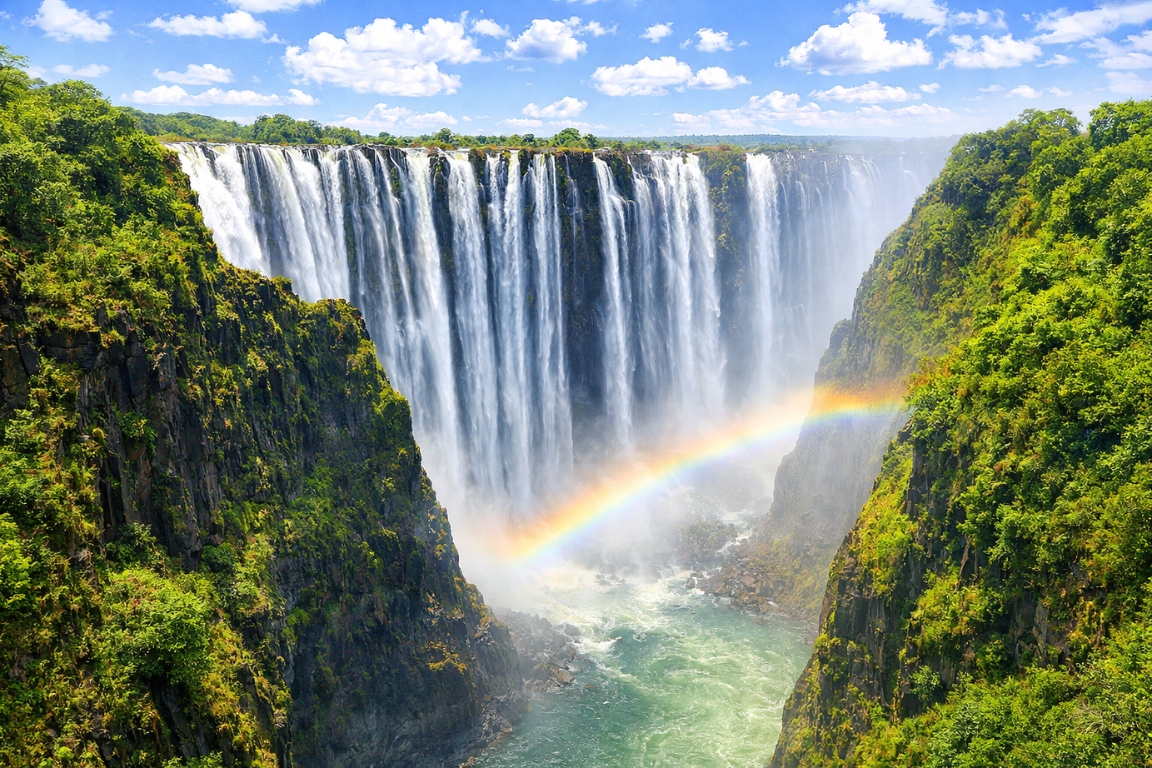
Why combine starts with proximity as Chobe’s Kasane lies just 70km from Victoria Falls creating easy logistics and minimal travel time between destinations, allowing visitors to experience both Africa’s wildlife spectacle and natural wonder during single trips. The complementary experiences pair Chobe’s elephants, predators, and safari atmosphere with Victoria Falls’ waterfalls, adrenaline activities (bungee jumping, white water rafting, helicopter flights), and different tourism infrastructure. Most international visitors flying to region allocate 5-7 days total making the combination logical versus dedicating entire trip to single destination, with wildlife viewing and waterfall experiences creating varied balanced itineraries appealing to diverse travel companions.
Split recommendations suggest 2-3 days each destination as optimal allocation, with common patterns including 3 days Chobe plus 2 days Victoria Falls for wildlife-focused travelers, or 2 days Chobe plus 3 days Falls for those prioritizing waterfall activities and adventure tourism. The 2+2 split works for tight 4-day schedules though feels somewhat rushed, while 3+3 provides comprehensive coverage if 6 days available. Chobe benefits from 3-day allocation allowing proper activity variety (multiple drives and boats), while Victoria Falls often needs just 2 days covering park viewing, sunset cruise, and 1-2 major activities versus Chobe’s wildlife focus requiring additional time for predator searching and comprehensive coverage.
Victoria Falls additional costs beyond Chobe expenses include Zimbabwe or Zambia park entry at $30-50 per person for waterfall viewing, major activities ranging $50-200 each (helicopter flights $150-300, bungee jumping $160, white water rafting $120-180, gorge swing $70-120, sunset cruises $50-80), accommodation $50-300+ nightly depending on quality tier similar to Chobe structure, and meals at $10-30 per restaurant meal. Budget travelers spending 2 days Victoria Falls add $250-400 per person for basic activities and accommodation, mid-range visitors add $400-700 with comfortable lodging and multiple activities, while luxury travelers add $800-1,500+ for premium properties and comprehensive activity packages.
Transfer costs between destinations run $50-80 per person for shared shuttle services operating multiple daily departures, $120-200 for private vehicle transfers accommodating 2-4 passengers, or self-drive adding $40-60 rental costs plus fuel for the 70km journey. The border crossing between Botswana and Zimbabwe adds 30-60 minutes processing time, requires valid passport, and may involve visa fees ($30-50 single entry Zimbabwe visa for some nationalities, free for others). Most operators include Kasane-Victoria Falls transfers in combination packages eliminating separate booking hassles, with morning or afternoon departures coordinating with accommodation checkout and check-in times.
Total 5-6 day combination costs span wide ranges across budget tiers. Budget travelers doing 3 days Chobe ($450-600) plus 2 days Victoria Falls ($350-500) plus transfers ($50-80) total $850-1,180 combining wildlife viewing with basic waterfall access and 1-2 activities. Mid-range visitors allocating 3 days Chobe ($900-1,200) plus 2-3 days Victoria Falls ($700-1,200) plus transfers ($60) reach $1,660-2,460 providing comfortable accommodation both destinations, comprehensive Chobe activities, and multiple Victoria Falls experiences. Luxury travelers spending 3 days Chobe ($1,800-2,500) plus 2-3 days Victoria Falls ($1,200-2,500) plus transfers (included) total $3,000-5,000+ for premium properties and exclusive experiences throughout.
Sample 5-day combined itinerary shows realistic mid-range costs. Day 1: Arrive Kasane, afternoon boat cruise, Chobe riverfront lodge ($280 including dinner and activity, total $280). Day 2: Morning game drive, afternoon drive, full board at lodge ($340 including two activities and meals). Day 3: Morning boat cruise, transfer to Victoria Falls after lunch, Victoria Falls hotel ($200 including transfer $60, activity $55, meals $35, accommodation $150, total $300). Day 4: Waterfall viewing in morning ($30 park entry), helicopter flight ($165), sunset cruise ($65), hotel with dinner ($180 accommodation and meals, total $440). Day 5: Morning at leisure, departure ($50 breakfast and transfer to airport). The 5-day total reaches $1,590 per person mid-range covering 3 Chobe days with 4 activities, 2 Victoria Falls days with major experiences, comfortable accommodation throughout, most meals, and all transfers.
Contact Chobe Tours at chobetours.com for combined Chobe-Victoria Falls packages offering coordinated logistics, guaranteed transfers, optimized timing between destinations, and bundled pricing delivering 10-20% savings versus booking destinations separately, with expertise handling cross-border arrangements and activity coordination creating seamless 5-6 day southern Africa experiences.
Need help with logistics? Check out our breakdown on how to plan a safari in Chobe tours step by step so nothing gets missed.
FAQ: Chobe Safari Costs
1. How much does a 3-day Chobe safari cost?
Budget $300-600, mid-range $600-1,200, luxury $1,200-2,500+ per person. Mid-range represents best value with riverfront lodges, quality guides, 6-8 activities, and full board meals. Budget uses Kasane town lodges with basic operators, luxury provides all-inclusive exclusive properties with private vehicles.
2. What’s the cheapest way to do a Chobe safari?
Travel shoulder season May-June or October (25-35% savings), choose Kasane town lodges over riverfront (save $100-250 nightly), self-cater meals (save $20-40 daily), book packages not piecemeal (15-25% savings), travel in groups splitting private vehicle costs, limit premium drinks. Budget 3-day trips cost $300-450 with smart compromises.
3. What’s included in Chobe safari packages?
Typically: accommodation for specified nights, predetermined game drives and boat cruises, most meals (varies by package tier), airport/lodge transfers, park entry fees, basic drinks. Excludes: premium alcohol, tips ($80-120 for 3 days), laundry, personal expenses, specialty activities beyond standard drives/boats.
4. Are drinks included in safari packages?
Varies dramatically. All-inclusive luxury lodges include local beers, house wines, standard spirits (premium imports extra). Mid-range properties sometimes include drinks, often charge separately. Budget lodges rarely include alcohol. Water typically included at all levels. Verify drink inclusions carefully when comparing packages.
5. When is the cheapest time to visit Chobe?
November-April wet season offers 40-60% discounts but compromised wildlife viewing. Best value is shoulder season May-June or October with 25-35% savings below peak while maintaining 80-90% wildlife quality. March-April show worst conditions, avoid if possible. May-June offers comfortable weather, October maximum wildlife despite heat.
6. How much should I budget per day for a Chobe safari?
Budget $120-200 daily (Kasane lodges, basic operators, self-catering). Mid-range $260-400 daily (riverfront lodges, quality operators, full board). Luxury $550-750+ daily (exclusive all-inclusive). Add $50-80 daily for tips, drinks, extras. Three-day stays offer better per-day rates than 2-day minimums.
7. Is it cheaper to book a package or activities separately?
Packages save 15-25% versus booking separately. Example: 3-day mid-range package $950 versus DIY $1,280 for identical components. Packages also simplify logistics, guarantee coordination, and provide backup support. Only experienced travelers planning extended stays (5+ days) or needing specific customization should consider DIY booking.
Glossary: Chobe Safari Cost Terms
All-Inclusive vs Full Board vs Bed & Breakfast: All-inclusive includes accommodation, all meals, drinks (local brands), and activities in single rate (luxury lodges). Full board includes accommodation and three meals daily but charges activities separately (mid-range common). Bed & breakfast includes room and breakfast only with all other costs separate (budget typical).
Package Deal/Safari Package: Bundled multi-day offering including accommodation, specified activities (game drives and boat cruises), some meals, and transfers in single price. Packages save 15-25% versus booking components separately plus simplify logistics and guarantee coordination.
Park Fees/Conservation Fees: Daily Chobe National Park entry charges at $50-70 per person for international visitors, usually included in activity or package pricing rather than paid separately at gates. Funds conservation and park operations.
Single Supplement: Additional charge solo travelers pay occupying double rooms alone, typically 50-100% of per-person rate. Example: room costs $400 per person double occupancy, solo traveler pays $600-800 total. Some operators waive supplements off-peak.
Shoulder Season Pricing: Reduced rates during May-June and October periods between peak and wet seasons, offering 25-35% discounts while maintaining 80-90% peak wildlife quality. Represents best value timing for budget-conscious travelers.
Self-Catering: Accommodation with kitchen facilities allowing grocery shopping and meal preparation, saving $20-40 per person daily versus restaurants. Costs $40-100 per room nightly (not per person), good value for groups 3-4+ people.
Tipping/Gratuities: Expected discretionary payments for service staff at $10-20 per guide per day, $5-10 housekeeping daily, totaling $80-120 for typical 3-day safari. Paid in USD, rand, or pula at trip end.
Transfer Costs: Transportation between airport/border and lodges at $15-30 shared shuttles or $40-80 private vehicles locally, plus $50-80 shared for Kasane-Victoria Falls 70km journey. Many packages include airport transfers but exclude cross-border transfers.
Ready to Plan Your Chobe Safari Budget?
Chobe safari costs range from budget $300-600 through mid-range $600-1,200 to luxury $1,200-2,500+ per person for optimal 3-day trips, with mid-range representing best value through riverfront lodges, quality guides, and comprehensive activities without unnecessary premium spending. Shoulder season May-June or October delivers 25-35% savings versus peak July-September while maintaining 80-90% comparable wildlife, making timing crucial for budget optimization. Package deals save 15-25% versus DIY booking while simplifying logistics and guaranteeing coordination.
If you are matching a budget to a specific itinerary, start with the 3-day Chobe safari or the full-day Chobe safari via Kazungula Bridge and compare inclusions with the component costs above. We provide transparent pricing showing exactly where money goes, honest guidance about when spending more improves experiences versus wasteful premium payments, and optimal value recommendations based on thousands of safaris helping visitors get maximum wildlife quality within their budgets.
At Chobe Tours, we’ve helped budget backpackers create incredible $400 safaris and luxury honeymooners plan $2,500 experiences, understanding both extremes and everything between through years of cost analysis and value optimization. Our pricing transparency shows itemized breakdowns, our honest recommendations prioritize your interests over commission maximization, and our experience identifies exact value sweet spots where additional spending improves experiences versus diminishing returns wasting money.
Get detailed transparent quotes at chobetours.com where we break down costs component-by-component, explain what different price points deliver, recommend optimal duration and timing for your budget, and structure packages maximizing wildlife viewing value within your financial constraints.
Your budget determines comfort level, not wildlife quality. The elephants don’t know if you’re staying budget or luxury lodges. The question is optimizing spending for maximum value.
From the guides at Chobe Tours who’ve planned safaris from $300 budget adventures through $3,000 luxury experiences, understanding exactly what each price point delivers and how to maximize value at every budget level, helping visitors achieve incredible wildlife encounters whether spending hundreds or thousands of dollars.