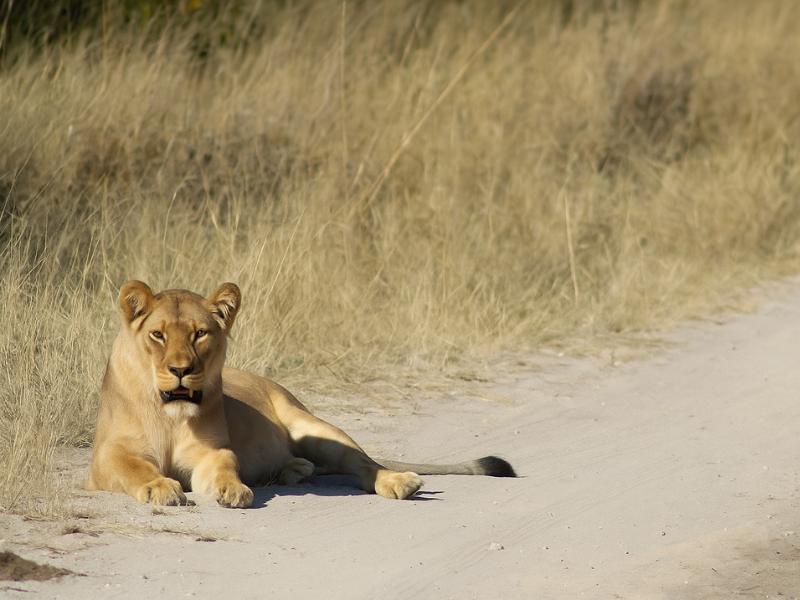
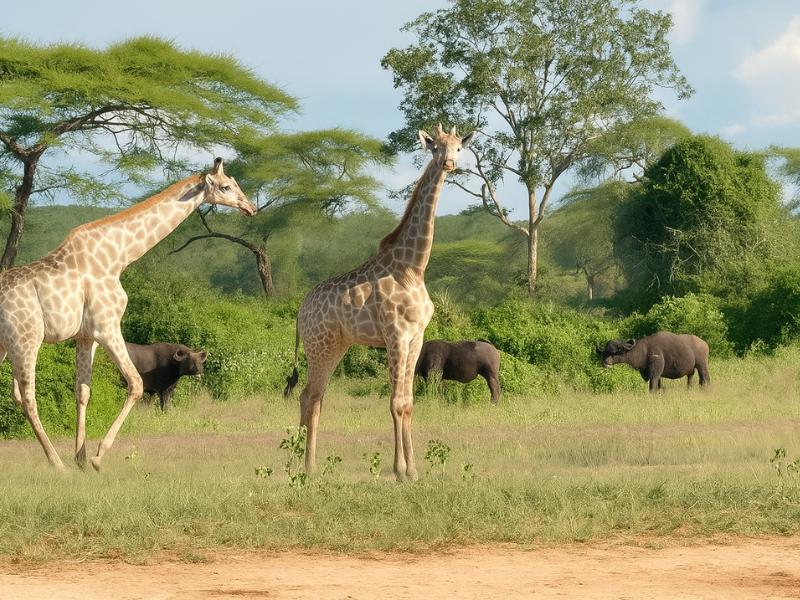
Chobe Game Drive Experience Explained
What really happens on a Chobe game drive? This first-timer guide explains vehicles, timing, comfort, safety, and what wildlife you can realistically expect to see.
Last updated: March 10, 2026
First-time safari visitors frequently ask “What actually happens on a game drive?” and “Will I be comfortable bouncing around in trucks for hours?” expressing uncertainty about what these wildlife expeditions involve beyond vague notions of sitting in vehicles looking for animals. Some tourists arrive expecting air-conditioned minibuses with guaranteed lion sightings on predictable schedules, discovering instead open 4×4 vehicles exposing them to elements while guides search patiently for elusive predators that may or may not appear. Others worry about safety sitting exposed just meters from elephants and lions, or question whether 3-4 hour drives become boring if animals don’t cooperate. The confusion stems from game drives being unique experiences without civilian equivalents, combining elements of off-road adventure, wildlife observation, photography safari, and educational nature tour into single outings unfamiliar to visitors whose previous “tours” involved buses visiting museums.
At Chobe Tours, our guides have led thousands of game drives over many years, understanding exactly what first-timers need to know about vehicle types from purpose-built safari trucks to converted Land Cruisers, optimal timing explaining why 6am morning departures find more predators than midday attempts, realistic wildlife expectations distinguishing guaranteed elephant encounters from lucky leopard sightings requiring patience and skill, guide roles transforming simple animal spotting into educational experiences through tracking expertise and behavioral interpretation, and practical preparation covering what to wear, bring, and expect during 3-4 hour expeditions across varied Chobe habitats. This complete game drive guide demystifies the experience from pre-departure logistics through return to lodge, helping you understand what these essential safari components actually involve and how to maximize enjoyment of Chobe’s terrestrial wildlife viewing.
What is a Chobe Game Drive?
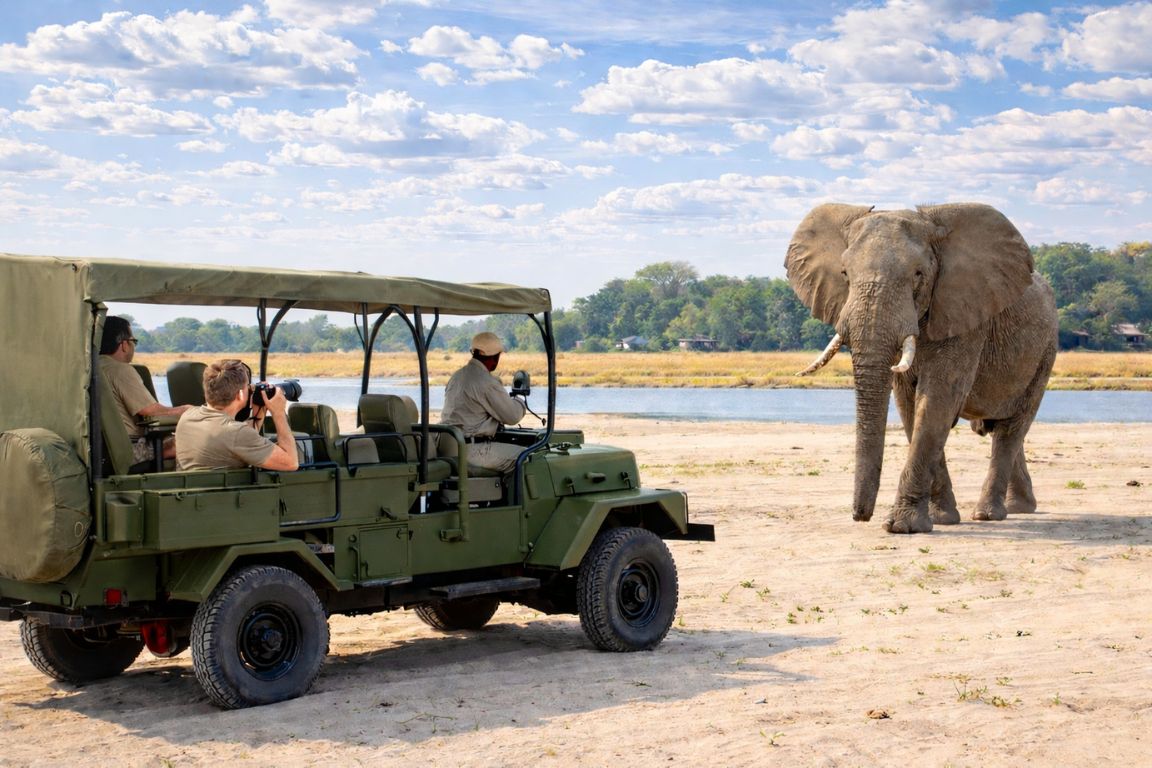
A Chobe game drive is a 3-4 hour wildlife viewing expedition traveling in open-sided 4×4 vehicles across Chobe National Park’s varied habitats, searching for elephants, predators, and diverse species while guides provide identification and interpretation. The open vehicle format positions passengers 2-3 meters above ground in tiered seating allowing unobstructed viewing and photography, with canvas roofs providing sun protection while sides remain completely open for 360-degree access and authentic bush atmosphere. Game drives represent traditional safari format distinguishing African wildlife viewing from zoo visits or wildlife documentaries, creating direct encounters with wild animals in natural environments.
Typical structure involves 6-9 passengers sharing purpose-built safari vehicle or converted Land Cruiser, accompanied by licensed guide who drives and interprets wildlife while using radio communication coordinating with other guides. The stop-and-go driving pattern alternates between moving 20-40 km/h between sightings and stopping completely when animals appear, with engines off during extended observations allowing quiet viewing without mechanical noise disturbing wildlife or passengers. Routes cover various habitats including riverfront roads where elephants concentrate, interior mopane woodland hosting giraffe and kudu, and open floodplains supporting buffalo herds, with guides adjusting daily itineraries based on recent sightings radioed by colleagues and seasonal animal movements.
Standard timing offers morning game drives departing 6-6:30am before breakfast, exploring park during peak wildlife activity hours, and returning 9:30-10am for late breakfast at lodges. Afternoon drives depart after lunch around 3-3:30pm, capitalize on animals becoming active as temperatures cool, and end at sunset 6-6:30pm when park regulations require exiting before darkness. The timing structure means dedicating either entire morning or afternoon to drives, with most multi-day safaris alternating between morning and afternoon departures experiencing varied wildlife patterns across different times rather than repeatedly doing identical schedules.
Can’t decide on length? I’ve compared multi-day vs day trip in Chobe tours so you can see what you actually gain by staying longer.
What you’ll see includes near-guaranteed elephant encounters at 95-99% probability even on single drives, with typical sightings involving 50-200 elephants across multiple herds showing feeding, drinking, and social behaviors. Buffalo appear on 70-80% of drives during multi-day safaris, particularly when routes include floodplain areas where herds of 100-500 animals graze openly. Lions show on 60-80% of multi-day trip drives cumulative as guides search known territories and respond to radio calls from colleagues finding cats, though single drives show just 15-25% lion odds. Diverse wildlife includes impala (99% guaranteed), giraffe (60-80%), kudu (70-90%), warthogs (70-85%), various antelope, and comprehensive bird diversity with 40-80 species identifiable during single outings.
Cost for game drives ranges $40-50 per person through budget operators using older vehicles with maximum 9 passengers, $50-65 mid-range for quality maintained vehicles with 6-8 passengers, to $70-80 premium rates for purpose-built safari trucks carrying just 6 passengers with expert guides. All-inclusive luxury lodges incorporate twice-daily game drives in accommodation rates eliminating separate activity charges, while mid-range and budget properties require separate game drive bookings either through lodge coordination or independent operators. The pricing includes guide services, park entry fees ($50-70 per person daily), and vehicle use for full 3-4 hour duration.
We’ve got safari costs explained in Chobe tours based on what’s included, what’s extra, and where operators typically markup prices.
| Factor | Morning Game Drive (6-9:30am) | Afternoon Game Drive (3-6:30pm) |
|---|---|---|
| Wildlife Activity | High – predators active, herbivores feeding | Moderate – animals waking, moving to water |
| Key Species | Lions at kills or resting (best odds), leopards hunting, active feeding | Elephants arriving at river (peak 4-6pm), predators waking, buffalo moving |
| Temperature | Cool start 50-70°F, warming through drive | Hot start 85-95°F, cooling through drive |
| Photography Light | Soft morning light, frontal lighting | Golden hour, dramatic sunset, warm tones |
| Energy Level | Fresh and alert, enthusiastic | Tired from day, more relaxed |
| Duration | 3-4 hours, return for breakfast | 3-4 hours, end at sunset |
| Best For | Predator focus, active wildlife, comfortable temperatures | Elephant concentrations, sunset photography, golden light |
| Typical Sightings | Lions 20-30% single drive, active herbivores, leopards possible dawn | Elephants 90-95%, predators 10-15%, buffalo moving to water |
Game Drive Vehicles: What You’ll Ride In
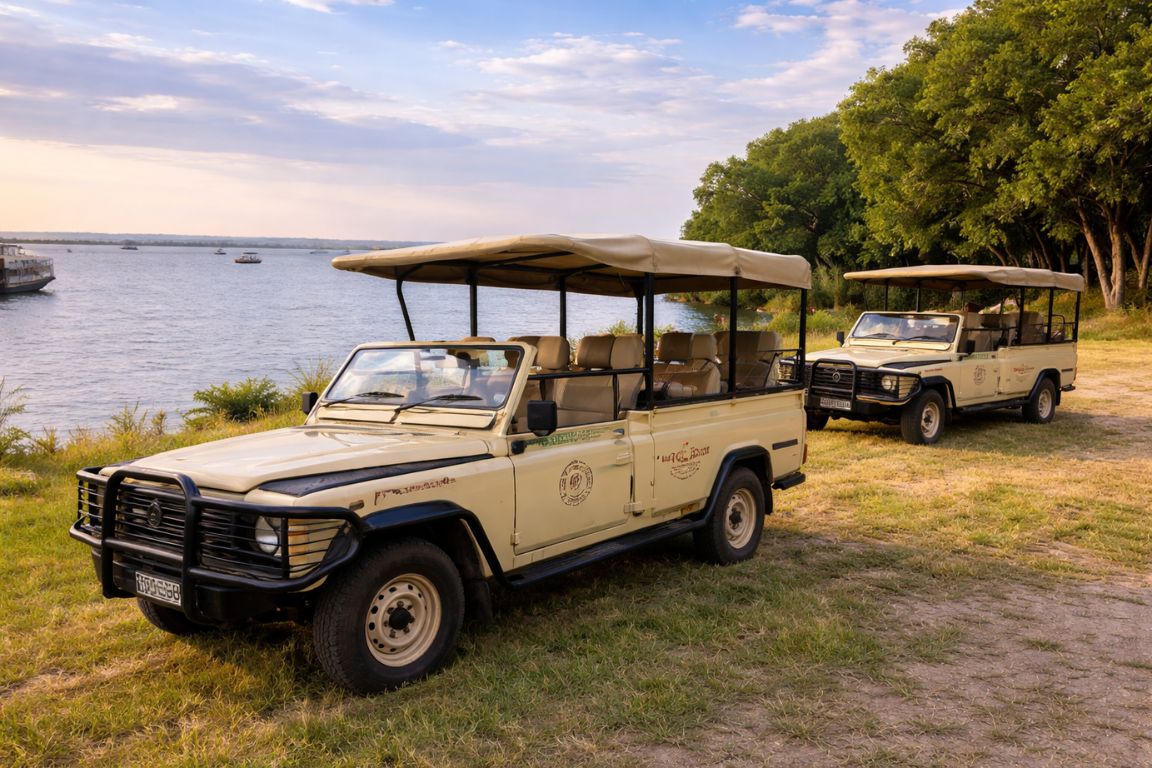
Open 4×4 vehicles used for Chobe game drives consist of purpose-built safari trucks designed specifically for wildlife viewing or converted Toyota Land Cruisers and Land Rovers modified with added seating and removed side panels. Purpose-built vehicles feature custom chassis accommodating tiered seating, reinforced suspension handling rough terrain and passenger weight, pop-up roofs allowing standing for photography, and 360-degree open access designed from conception for safari use. Converted vehicles start as standard 4×4 trucks with added bench seats, cut-away side panels creating open viewing, and basic modifications transforming utility vehicles into functional safari platforms at lower cost than purpose-built alternatives.
Seating configuration follows tiered 3-row layout with each successive row elevated 20-30cm above the one in front, ensuring all passengers get unobstructed forward views over heads of those ahead. The configuration accommodates 6-9 passengers depending on vehicle size and operator capacity choices, with premium operators limiting to 6 passengers (2 per row) guaranteeing window seats for everyone, mid-range carrying 6-8 passengers, and budget operators maximizing capacity at 9 passengers (3 per row) where middle seats lack direct window access. Elevated viewing positions all passengers 2-3 meters above ground providing superior sight lines spotting distant animals across flat terrain, looking down into vehicles observing elephant herds and predators, and scanning vegetation that ground-level viewing would miss.
Canvas roof stretched across metal frame provides essential sun protection during hot hours while maintaining open-air atmosphere, with sides completely open allowing unobstructed viewing, photography, and wind flow keeping passengers cooler than enclosed vehicles. The roof height accommodates standing during stationary moments when guides permit, particularly useful for photographers wanting elevated angles or everyone standing for better views of distant herds. Some premium vehicles feature retractable or removable roof sections creating full open-top experiences during comfortable weather, though most maintain fixed canvas protecting against intense African sun that would make hours of direct exposure uncomfortable or dangerous.
Vehicle features include two-way radio communication allowing guides to share sighting locations with colleagues, coordinate at major encounters, and request assistance if mechanical issues arise. First aid kits containing bandages, antiseptics, pain relievers, and emergency medications address minor injuries or health issues arising during remote drives. Spotlights mounted on vehicles serve night drive purposes in private concessions where nocturnal viewing is permitted, though Chobe National Park regulations prohibit night drives making spotlights unused during standard daytime outings. Additional features vary by operator quality including cooler boxes with cold drinks, binoculars for passenger use, field guides for species identification, and charging ports for camera batteries.
Safety equipment includes seat belts at all seating positions though guides rarely enforce use and most passengers don’t buckle during drives, fire extinguishers mounted accessibly for vehicle fire emergencies, emergency toolkits for mechanical repairs, spare tires for punctures common on rough tracks, and comprehensive emergency supplies including water, blankets, and communication devices. The safety provisions reflect remote operating environments where nearest assistance may be 30-60 minutes away, mechanical failures occur regularly on rough terrain, and guides must handle emergencies independently until backup arrives. Quality operators maintain vehicles meticulously with recent safety inspections, proper insurance, and well-stocked emergency equipment versus budget operators sometimes cutting corners on maintenance and safety provisions.
Quality differences between purpose-built safari vehicles and converted trucks dramatically affect passenger comfort and viewing experience. Purpose-built vehicles provide superior suspension absorbing bumps and minimizing bouncing, wider seat spacing with cushioned bench padding, better weight distribution preventing excessive tilting on slopes, purpose-designed handrails and footholds, and overall refined safari-specific engineering. Converted Land Cruisers offer basic functionality at lower cost but deliver harder rides with basic suspension, narrower uncomfortable bench seats with minimal padding, more severe bouncing and tilting, and utilitarian rather than passenger-comfort focus. The quality gap justifies premium pricing for serious wildlife enthusiasts, photographers needing stable platforms, seniors sensitive to rough rides, and anyone prioritizing comfort during 3-4 hour expeditions.
Practical recommendation for visitors able to afford modest premium is choosing operators with purpose-built safari vehicles delivering dramatically better experiences through superior comfort, stability, and viewing access worth the $15-25 additional per-person cost over budget converted trucks. The difference becomes especially significant during full-day drives or multiple successive days where accumulated discomfort from inferior vehicles diminishes enjoyment, while quality vehicles maintain comfort across extended use. Budget travelers should verify vehicle type when booking as some mid-range operators use converted trucks despite charging mid-range rates, while others provide purpose-built vehicles representing excellent value.
| Vehicle Type | Cost Per Drive | Passengers | Seating | Suspension | Features | Best For |
|---|---|---|---|---|---|---|
| Budget Converted | $40-50 | 9 maximum (3 per row) | Basic bench seats, minimal padding, narrow | Standard 4×4, rough ride, significant bouncing | Basic: radio, first aid | Extreme budget priority, young travelers tolerating discomfort |
| Mid-Range Converted | $50-65 | 6-8 (2-3 per row) | Padded bench seats, adequate spacing | Standard 4×4, moderate comfort | Radio, first aid, cooler, some with binoculars | Budget-conscious wanting better than basic, adequate comfort |
| Purpose-Built Standard | $65-75 | 6-8 (2-3 per row) | Cushioned seats, good spacing, designed ergonomics | Reinforced suspension, smoother ride | Radio, first aid, cooler, drinks, binoculars available | Most visitors, optimal value-comfort balance |
| Purpose-Built Premium | $75-80 | 6 maximum (2 per row) | Wide cushioned seats, maximum spacing, guaranteed windows | Premium suspension, minimal bouncing, stable platform | Comprehensive: radio, first aid, cooler, drinks, binoculars, charging ports | Photographers, seniors, comfort priority, serious enthusiasts |
| Private Purpose-Built | $250-450 total | 4-6 exclusive | Best available seating, customizable | Premium suspension, best available | All features plus flexibility, dedicated guide | Groups 4+, photographers, families, customized experiences |
Typical Game Drive Schedule and Structure
Pre-departure begins with lodge pickup or meeting point arrival 5-10 minutes before scheduled departure, allowing time for final bathroom visits (last chance until bush stop 90 minutes later), introductions among passengers sharing the vehicle, and guide briefing about expected route, safety protocols, and what passengers should know. Guests from multiple lodges converge at central meeting points like Chobe Marina or park gates, with guides verifying passenger lists, confirming everyone arrived, and loading personal items into vehicle storage compartments. The brief pre-departure period establishes group dynamics, allows photographers to stake out preferred seating positions, and sets expectations for the drive ahead.
Morning drives depart 6-6:30am before breakfast capitalizing on peak predator activity after overnight hunts and herbivores feeding during cool comfortable hours. The 3-4 hour duration allows comprehensive habitat coverage without exhausting passengers, returning 9:30-10am when heat intensifies and animals seek midday shade reducing viewing productivity. Typical morning structure includes first hour searching prime predator territories and fresh tracks, second hour encountering elephant herds and diverse herbivores, third hour responding to radio calls about major sightings or exploring productive areas, and final 30 minutes transitioning back toward park exit for timely lodge return. Late breakfast awaiting at 10-10:30am rewards early morning efforts with hearty meals after several hours of wildlife viewing.
Afternoon drives depart 3-3:30pm after midday rest and lunch, timing outings as temperatures moderate and animals become active following hot midday dormancy. The 3-4 hour duration extends through golden hour photography time and ends precisely at sunset around 6-6:30pm when park regulations require all vehicles exiting before darkness. Afternoon structure focuses first hour on woodland species becoming active, second hour positioning near riverfront for elephant arrivals typically peaking 4-6pm, final 90 minutes maximizing spectacular sunset conditions and predators waking for evening hunts, then prompt departure ensuring compliance with park closure times. Dinner served 7-7:30pm after guests refresh from dusty afternoon drives.
Driving patterns follow stop-and-go rhythms alternating between moving 20-40 km/h scanning for wildlife and stopping completely when animals appear, with engines off during extended observations allowing quiet appreciation without mechanical noise. Guides position vehicles considering sun angles for photography, passenger viewing preferences balancing both sides, safe distances from dangerous species (30+ meters from elephants, 20+ meters from lions), and avoiding blocking other vehicles at popular sightings. Bush stops occurring halfway through drives provide 10-15 minute bathroom breaks at designated areas where passengers stretch legs, use facilities behind bushes or portable toilets, and enjoy refreshments guides provide before resuming wildlife searching.
Route flexibility allows guides adjusting plans throughout drives based on radio intelligence from colleagues reporting fresh lion kills, leopard sightings, or unusual encounters warranting detours from original itineraries. Recent sightings influence morning route selections with guides prioritizing areas where lions killed overnight, leopards were spotted at dawn, or elephant herds concentrated yesterday afternoon. Animal movement patterns drive daily decisions as guides interpret tracks, understand seasonal habitat preferences, and predict where species likely appear based on weather, water availability, and behavioral knowledge. The adaptive approach means no two drives follow identical routes even departing same lodge same time, with guides constantly evaluating information and making real-time adjustments maximizing wildlife encounters.
A typical October morning drive departed Chobe Bush Lodge at 6:15am with eight guests bundled against cool dawn temperatures. The first 45 minutes yielded impala, kudu, baboons, and warthogs while the guide studied fresh lion tracks crossing the road, eventually finding the pride of 11 animals resting 40 meters from the track at 7:10am including two large males and multiple cubs feeding on buffalo killed overnight. The group watched 30 minutes as cubs played and adults groomed before moving on, encountering elephant herd of 60 animals browsing mopane woodland, then responding to radio call about leopard sighting 8km away that proved unsuccessful as the cat had moved. The final hour produced giraffe, more elephants totaling 180+ for the morning, buffalo herd of 300, and countless bird species before returning to lodge at 9:50am with guests thrilled by the lion encounter and comprehensive wildlife variety across habitats from riverfront through dense woodland.
We’ve mapped out how to plan a safari in Chobe tours based on what actually matters – season, accommodation, and tour types.
What You’ll Actually See on Game Drives
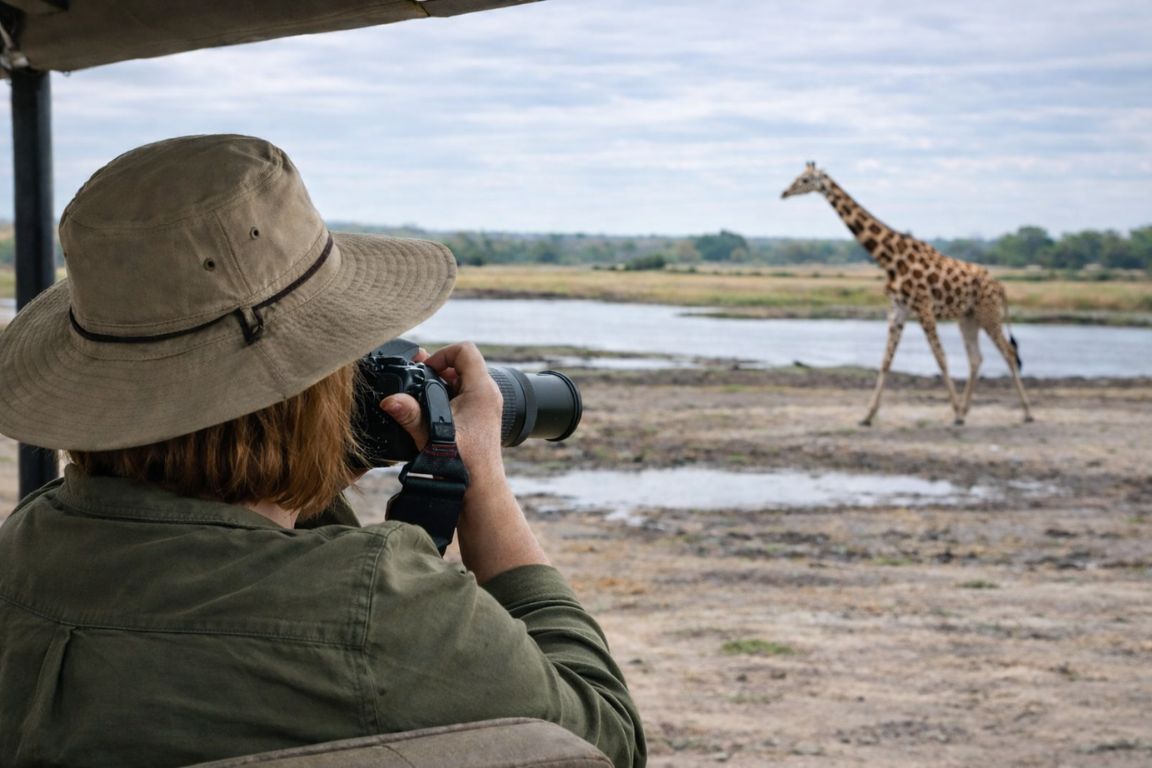
Guaranteed sightings include elephants at 95-99% probability even on single game drives, with typical encounters involving 50-200+ animals across multiple herds showing varied behaviors from woodland feeding through river drinking to dust bathing. Impala appear on 99% of drives as Chobe’s most abundant antelope, with herds of 20-100 animals grazing woodland edges and open areas throughout the park. Common birds including African fish eagles, various hornbills, and diverse smaller species show reliably with 40-80 identifiable species during single drives. Warthogs trotting with tails upright appear on 70-85% of drives, baboon troops on 60-80%, and vervet monkeys on 40-60% creating guaranteed wildlife variety even if rare species prove elusive.
Highly probable sightings include buffalo herds on 70-80% of multi-day safari drives cumulative, with single drives showing 40-50% odds but 3-4 day trips virtually guaranteeing encounters through repeated attempts across varied habitats. Giraffe browsing acacias 4-6 meters high appear on 60-80% of multi-day trips as guides explore interior mopane woodland where these browsers concentrate. Diverse antelope including waterbuck (60-80%), zebra (50-60%), and various smaller species show regularly across multiple drives covering different habitats. The highly probable category represents species requiring some searching and luck but encountered reliably when conducting multiple game drives over 2-3 days.
Good odds category includes lions at 60-80% cumulative probability on 3-4 day safaris allowing multiple morning drives when cats are most active, though single drives show just 15-25% odds making patience essential. Kudu appear on 70-90% of multi-day trips as guides search riverine thickets and woodland edges where these handsome antelope with magnificent spiral horns concentrate. Buffalo probability jumps from 40-50% single drives to 70-80% multi-day trips, while giraffe similarly improve from 40-50% to 60-80% with repeated attempts. The good odds tier requires dedicated searching across multiple drives but delivers regularly to visitors allocating adequate time.
Moderate probability sightings include leopards at 25-40% on 3-4 day safaris requiring patient searching of dense riverine vegetation where solitary cats rest in trees or hunt during dawn/dusk hours, with single drives showing under 10% odds. Wild dogs appear on 10-20% of multi-day trips as packs range widely across 400-800 square kilometer territories, requiring luck being in areas when roving packs pass through. Sable antelope, roan antelope, and other less common herbivores fall into 20-40% range depending on species and habitat searching. The moderate tier represents genuinely elusive species requiring both skill and fortune, creating memorable highlights when encountered but never guaranteed despite quality guiding.
Rare sightings include cheetahs at just 5-15% probability as Chobe’s primarily woodland habitat doesn’t suit these open-plains specialists, with encounters limited to floodplain areas where suitable hunting terrain exists sporadically. Nocturnal species including honey badgers, genets, civets, and African wild cats appear occasionally during dawn/dusk drives if timing and luck align, showing under 10% probability combined. Aardvarks, pangolins, and similar extremely rare specialists fall under 5% even on week-long safaris, representing exceptional fortune rather than realistic expectations. The rare category sets appropriate expectations that certain species shouldn’t influence trip planning despite appearing in Chobe species lists.
Habitat variety accessed during game drives shows elephants concentrated along riverfront roads during afternoon hours when 100-300 animals gather for drinking 4-6pm, woodland elephants feeding on mopane browse and bark in interior areas throughout day, and floodplain elephants grazing seasonal grasslands. Woodland browsers including giraffe, kudu, and smaller antelope occupy dense mopane forests and mixed woodland, while floodplain grazers like buffalo herds numbering hundreds concentrate on open grasslands near water. The habitat diversity means single drives encounter varied ecosystems from permanent river corridor through seasonal wetlands to dry woodland, each supporting different species assemblages creating comprehensive wildlife variety.
Behavioral moments elevate game drives beyond simple species checklists to witnessing predator-prey interactions including lions stalking buffalo or antelope, alarm calls from impala or baboons alerting prey to nearby predators, and tense standoffs when herbivores detect but haven’t yet fled from hunting cats. Elephant herd dynamics show family groups with protective mothers guiding calves, adolescent males sparring playfully, and matriarchs leading migrations between feeding and drinking areas. Social interactions reveal baboon troop hierarchies through grooming and discipline, giraffe bulls necking competitions for dominance, and buffalo bachelor groups establishing rank through head butting. The behavioral observations transform wildlife viewing from static animal spotting to dynamic ecosystem understanding showing how species interact, compete, and survive.
Curious about what you’ll actually spot? I’ve broken down the animals in Chobe tours so you know what’s common versus what takes serious luck to see.
| Species | Single Drive | 2-Day Safari (4 drives) | 3-4 Day Safari (6-8 drives) | Habitat/Notes |
|---|---|---|---|---|
| Elephants | 85-95% | 95-99% | 99% | Riverfront afternoons, woodland throughout, 50-300+ animals typical |
| Impala | 99% | 99% | 99% | Everywhere, most abundant antelope, herds 20-100 animals |
| Buffalo | 40-50% | 70-80% | 80-90% | Floodplains and interior, herds 100-1,000+, improve with more drives |
| Lions | 15-25% | 40-60% | 60-80% | Riverfront ambush sites, morning drives best, require multiple attempts |
| Giraffe | 40-50% | 60-70% | 70-80% | Interior mopane woodland, browsing high branches |
| Kudu | 50-60% | 70-80% | 80-90% | Woodland edges, riverine thickets, impressive spiral horns |
| Leopards | Under 10% | 15-25% | 25-40% | Dense vegetation, dawn/dusk best, require patience and luck |
| Waterbuck | 40-50% | 60-70% | 70-80% | Near water always, distinctive white rump ring |
| Zebra | 30-40% | 50-60% | 60-70% | Floodplains, smaller populations than East Africa |
| Wild Dogs | Under 5% | 10-15% | 15-20% | Wide-ranging packs, critically endangered, require exceptional luck |
| Cheetahs | Under 5% | 5-10% | 10-15% | Rare, prefer open plains, uncommon in Chobe’s woodland habitat |
| Warthogs | 60-70% | 80-90% | 85-95% | Common everywhere, entertaining behaviors, kneeling to feed |
| Baboons | 50-60% | 70-80% | 80-90% | Troops 20-100, riverine areas, vocal social groups |
Morning vs Afternoon Game Drives: Key Differences
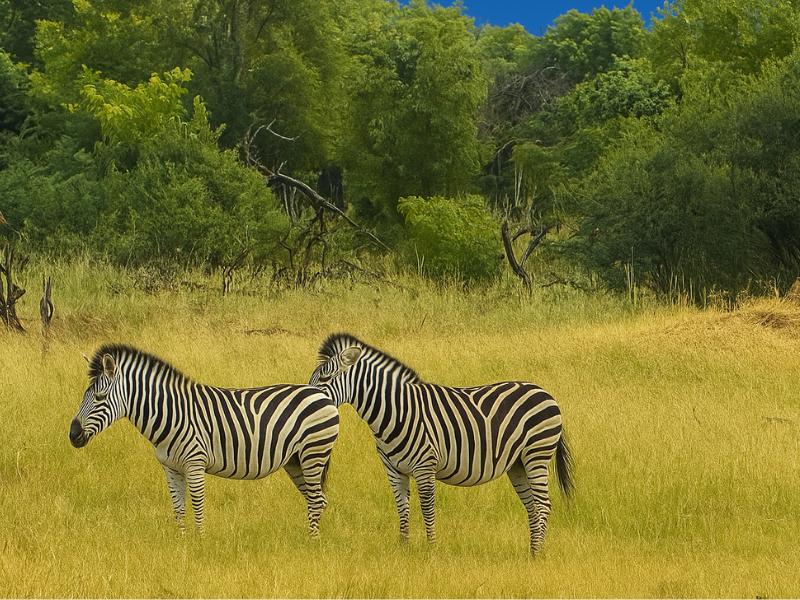
Morning advantages center on peak predator activity with lions often found at fresh overnight kills or resting near hunting sites within 1-2 hours of dawn, creating best odds for dramatic encounters with feeding cats or blood-stained faces revealing recent success. Animals feed actively during cool comfortable hours before midday heat forces retreat to shade, showing natural behaviors from grazing herbivores to browsing elephants to hunting predators maximizing photographic and observational opportunities. Cool temperatures starting 50-60°F at 6am departure gradually warming to 70-85°F by 9:30am return create pleasant conditions requiring light jacket layers at start but comfortable throughout, avoiding afternoon heat exceeding 90-105°F particularly brutal during September-October peak season.
Soft morning photography light provides gentle frontal illumination as sun rises behind passengers traveling eastward along typical riverfront routes, creating ideal conditions for wildlife portraits with even lighting, minimal harsh shadows, and warm golden tones during first hour after sunrise. The fresh energy and enthusiasm guests bring to morning drives enhances experiences, with everyone alert and engaged versus afternoon fatigue after full days of activities and midday rest. Morning drives capture wildlife at peak activity before heat suppresses behaviors, delivering action-oriented encounters versus afternoon’s more static viewing of resting animals.
Morning wildlife patterns show lions at kills made during overnight hunts or resting within sight of carcasses, with morning drives finding fresh kills where pride members still feed or recently departed allowing scavengers access. Leopards hunt actively during dawn hours or return to daytime resting sites in dense vegetation and trees, creating brief windows when typically nocturnal cats remain visible before disappearing into cover for daylight sleep. Herbivores feed intensively during cool mornings replenishing energy after overnight fasting, showing constant movement and active behaviors rather than midday dormancy. Buffalo herds graze open floodplains, elephant families browse mopane woodlands, and diverse antelope species feed across varied habitats creating dynamic wildlife encounters.
Afternoon advantages include spectacular elephant concentrations arriving at Chobe River for drinking sessions typically peaking 4-6pm, with herds of 100-300 animals creating the massive gatherings Chobe is famous for worldwide. Golden hour photography from 4:30-6:30pm delivers warm saturated light, dramatic long shadows, and stunning sunset conditions creating magazine-quality images impossible during harsh midday or soft morning light. Sunset viewing provides memorable scenic moments with silhouetted elephants against colorful skies, dramatic cloud formations, and overall atmospheric beauty elevating experiences beyond simple wildlife checklists. The relaxed afternoon pace after full breakfast and midday rest creates comfortable unhurried atmosphere versus rushed morning departures requiring early wake-ups.
Afternoon wildlife centers on elephants moving from interior feeding areas toward river for essential drinking, with predictable afternoon arrivals allowing guides positioning vehicles optimally for spectacular encounters. Predators wake from midday rest becoming active as temperatures moderate, showing yawning, stretching, social interactions, and preparation for evening hunts though actual hunting typically occurs after dark when drives have ended. Buffalo herds move from midday shade toward water sources for evening drinking, creating floodplain concentrations visible from elevated vehicle positions. The afternoon timing captures transitional wildlife behaviors between dormant midday and active nighttime, showing animals preparing for nocturnal activities tourists won’t witness but getting glimpses of energy building as darkness approaches.
Temperature differences dramatically affect passenger comfort with cool morning starts at 50-65°F requiring layers including light jackets, long sleeves, and warm clothing that guests peel off progressively as temperatures rise to comfortable 70-85°F by drive’s end. Afternoon departures at 3-3:30pm face hottest daily temperatures at 85-95°F (September-October reaching 95-105°F) creating initially uncomfortable conditions that moderate as sun lowers and temperatures drop to pleasant 70-80°F by sunset. The moving vehicles generate cooling breeze making afternoon heat more tolerable than standing in lodges, while morning cold proves temporary discomfort quickly remedied as sun rises. September-October visitors find mornings perfect but afternoons brutally hot, while May-June enjoys comfortable temperatures both sessions.
Photography light differs fundamentally with morning frontal lighting as sun rises behind vehicles traveling eastward along standard riverfront routes, illuminating subjects evenly with soft warm tones during golden hour then transitioning to bright but manageable light through mid-morning. Afternoon golden glow from 4:30-6:30pm creates dramatic warm saturated colors, long shadows adding depth and dimension, and spectacular sunset silhouettes as sky transforms through orange-red-purple progression. Morning light suits wildlife portraits and detailed images requiring even illumination, while afternoon excels for atmospheric environmental shots, dramatic compositions, and artistic interpretations using strong directional light.
Which to choose proves impossible as both sessions deliver essential complementary experiences with morning drives providing best predator odds and active wildlife while afternoon drives guarantee elephant spectacles and sunset beauty. The different wildlife patterns, light conditions, temperature profiles, and behavioral observations mean doing only morning or only afternoon misses half of what Chobe game drives offer. Standard 3-day Chobe safaris should include equal numbers of morning and afternoon drives alternating throughout stay, with a 2-day camping safari as the minimum if you want one morning drive and one afternoon drive.
Practical recommendation for visitors forced to prioritize suggests morning drives for travelers primarily interested in predators and active wildlife behaviors, with lion odds, leopard possibilities, and general animal activity peaks justifying early wake-ups. Afternoon drives suit travelers prioritizing Chobe’s signature elephant herds and spectacular photography, with guaranteed elephant concentrations and golden hour conditions delivering iconic Chobe experiences. Most visitors benefit from balanced approach doing multiple morning and afternoon drives rather than clustering all outings in single time slot, preventing repetition and capturing complete daily wildlife activity cycles.
| Factor | Morning Game Drive (6-9:30am) | Afternoon Game Drive (3-6:30pm) |
|---|---|---|
| Start Time | 6-6:30am before breakfast | 3-3:30pm after lunch |
| Duration | 3-4 hours | 3-4 hours |
| Temperature | Cool start 50-65°F, warming to 70-85°F | Hot start 85-95°F (Oct 95-105°F), cooling to 70-80°F |
| Predator Activity | High – lions at kills, leopards hunting, active | Moderate – predators waking, preparing for night |
| Elephant Viewing | Good – woodland feeding, 50-150 animals typical | Excellent – river concentrations, 100-300+ animals at peak |
| Herbivore Activity | Very active – feeding, moving, dynamic behaviors | Moderate – transitioning from rest to evening activity |
| Photography Light | Soft morning, frontal lighting, gentle even tones | Golden hour, dramatic sunset, warm saturated colors |
| Lion Sighting Odds | 20-30% single drive (best time) | 10-15% single drive |
| Leopard Odds | 10-15% (dawn hunting/returning to rest) | 5-10% (waking from rest) |
| Elephant Guarantee | 85-90% (woodland herds) | 95-99% (river concentrations 4-6pm) |
| Buffalo Viewing | Good – grazing floodplains | Good – moving to water |
| Passenger Energy | Fresh, alert, enthusiastic | Relaxed, comfortable, potentially tired |
| Clothing Needed | Layers, light jacket, warm start | Light clothes, sun protection, hat |
| Best For | Predator focus, active wildlife, comfortable temps, early risers | Elephant spectacles, photography, sunset, those avoiding early wake-ups |
| Typical Highlights | Lion kills, active feeding, dawn behaviors | Massive elephant herds, golden light, dramatic sunsets |
Game Drive Routes and Habitats
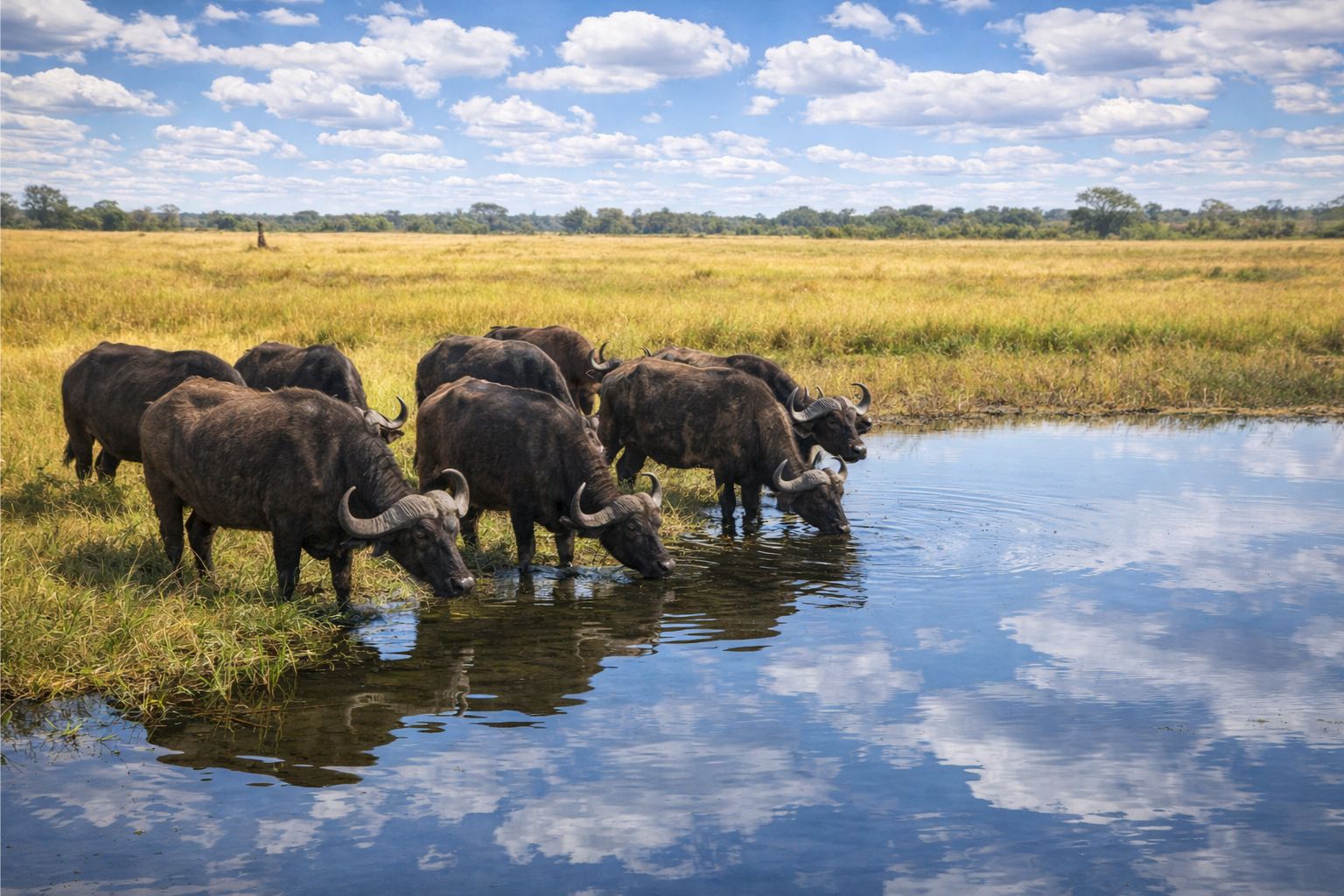 Riverfront roads paralleling the Chobe River stretch approximately 50km from Kasane entrance gate eastward to Ngoma Gate, representing Chobe’s most productive game viewing corridor where elephant concentrations reach spectacular densities and predators stake out waterhole ambush sites. The riverfront track follows within 500 meters to 2km of water, accessing prime viewing areas where animals must visit daily for drinking during dry season creating predictable concentrations. Afternoon drives along riverfront reliably encounter 100-300+ elephants at drinking areas between 4-6pm, while morning drives find predators positioned near waterholes waiting to ambush prey arriving for essential water. The riverfront route’s accessibility, wildlife density, and varied viewing angles make it cornerstone of most game drives.
Interior mopane woodland accessed via network of tracks extending 10-30km inland from riverfront supports browsing specialists including giraffe feeding on acacias 4-6 meters high, kudu in dense thickets, and elephant herds stripping mopane bark and leaves. The woodland habitat covers vast areas inland featuring distinctive silver-gray mopane trees creating forest-like atmosphere contrasting with open riverfront plains, harboring different wildlife communities than water-focused species. Morning drives explore interior woodlands finding elephants feeding before afternoon river migrations, giraffe browsing high branches inaccessible to other herbivores, and secretive species like bushbuck and duiker hiding in dense vegetation. The woodland routes require more searching patience than guaranteed riverfront concentrations but reward with diverse species and quieter less-crowded atmosphere.
Floodplain loops traverse seasonal grasslands between river and woodland edge where buffalo herds numbering hundreds to thousands graze openly, zebra congregate on short grass, and predators hunt across open terrain visible from elevated vehicle positions. The floodplains provide spectacular visibility for observing herd dynamics, predator-prey interactions, and overall ecosystem functioning impossible in dense vegetation. Wet season transforms floodplains into marshes limiting access, while dry season creates ideal grazing supporting massive herbivore concentrations drawing predators establishing hunting territories. Routes circumnavigate floodplain perimeters rather than crossing centers, accessing viewing areas from woodland edges where tracks remain passable year-round.
Popular sighting locations include known lion pride territories around Sedudu area where prides maintain consistent ranges year after year, making experienced guides return repeatedly to productive zones. Leopard trees near Four Ways junction where solitary cats rest predictably in favorite marula and sausage trees get checked systematically by guides knowing individual leopards’ preferred locations. Elephant crossing points at certain river sections where families swim channels between Botswana and Namibia sides attract afternoon positioning as guides anticipate spectacular water crossings. The location knowledge accumulated over years gives experienced guides significant advantages, with newcomers relying on radio intelligence while veterans independently predict where animals appear based on seasonal patterns, recent weather, and behavioral understanding.
Route length for typical 3-4 hour game drives covers 40-80km depending on sighting frequency, with productive drives where major encounters occur early traveling just 40-50km as guides spend extended time at lions, elephants, or other highlights. Quieter drives with fewer major sightings cover 60-80km as guides search widely across varied habitats attempting to locate elusive species. The distances reflect stop-and-go patterns alternating between 30-40 km/h travel and complete stops for sightings, with typical drives spending 40-50% of time stationary observing wildlife versus moving between locations. Morning drives average 50-60km, afternoon drives 45-55km, with route lengths constrained by time limits requiring lodge returns or sunset park exits.
Expert guides at Chobe Tours know productive routes intimately through years of daily drives, understanding seasonal variations determining where elephants feed different months, which woodland sections harbor resident leopards, where lion prides establish territories, and how recent rainfall affects buffalo movements and road accessibility. Contact chobetours.com for game drives with guides whose accumulated knowledge and route expertise dramatically improve wildlife encounter odds versus inexperienced guides relying purely on radio information and luck.
What to Bring and Wear on Game Drives
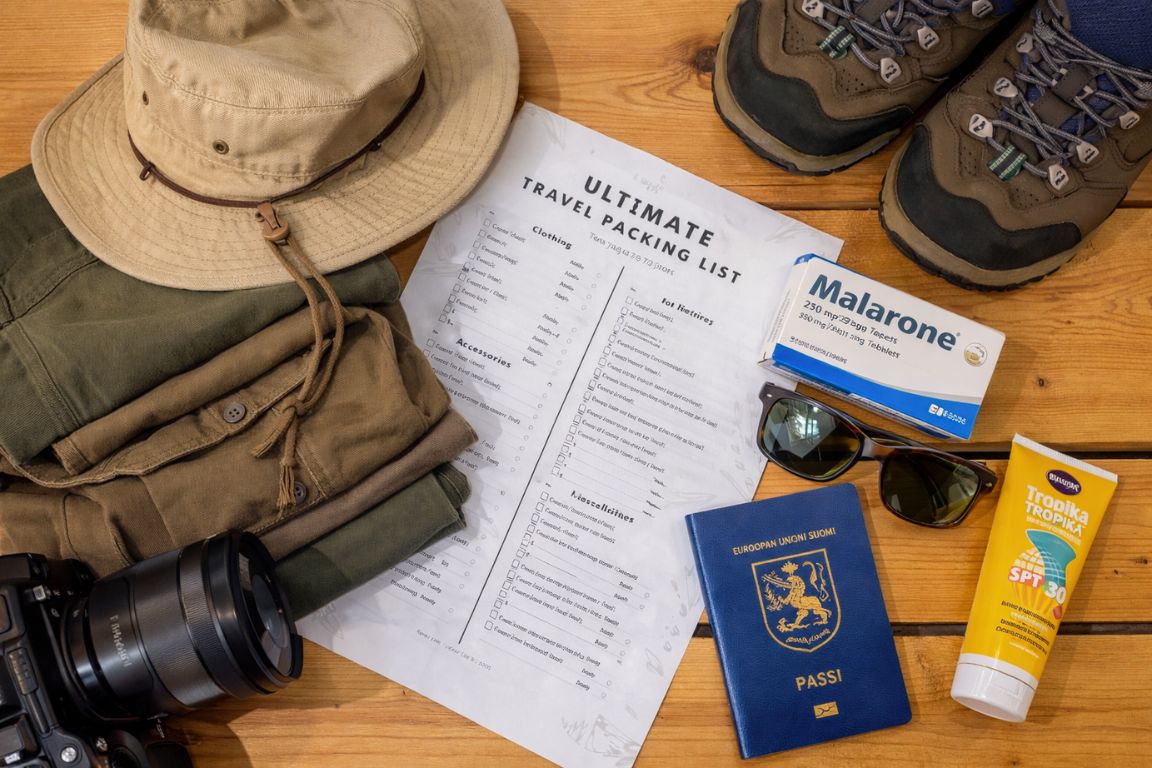
Clothing essentials prioritize neutral colors including khaki, olive, brown, and tan that blend with bush environments and don’t alarm wildlife, while avoiding bright whites, reds, blues, or patterns that stand out unnaturally and potentially disturb animals or distract other passengers. Layering proves critical for managing temperature fluctuations from cool 50-65°F morning starts requiring light jackets or fleeces through warming 70-85°F mid-morning conditions allowing shedding layers, with afternoon drives facing hot 85-105°F initial temperatures cooling to comfortable 70-80°F by sunset. Long sleeves protect against sun exposure during hours of direct sunlight and provide mosquito protection during dawn/dusk when insects are active, with lightweight breathable fabrics like cotton or moisture-wicking synthetics preventing overheating while maintaining coverage.
Footwear requires closed comfortable shoes like sneakers, hiking shoes, or casual walking shoes providing ankle support and protection during brief vehicle exits at bush stops, with sandals and flip-flops strongly discouraged as they offer no protection from thorns, insects, or uneven ground. The closed shoe requirement applies even though passengers spend 95% of time seated in vehicles, as bush stops involve walking on rough terrain with potential thorns, sharp rocks, and biting insects making exposed feet vulnerable. Comfortable fit proves essential as swelling feet during hot afternoon drives make tight shoes painful, while excessively worn shoes with poor tread create slipping hazards climbing in and out of elevated vehicles.
Sun protection starts with SPF 50+ broad-spectrum sunscreen applied liberally to face, neck, arms, and any exposed skin before departure, with reapplication every 2-3 hours as sweating and dust reduce effectiveness. Wide-brim hats with chin straps prevent wind loss during moving vehicles while providing face and neck shade, with baseball caps offering inadequate coverage leaving ears and neck exposed. Polarized sunglasses reduce glare from bright African sun particularly when viewing across open floodplains or water surfaces, while also protecting eyes from dust kicked up by vehicles. Lip balm with SPF 30+ prevents painful chapped lips from constant sun and wind exposure affecting many visitors who neglect this small but important detail.
Camera equipment centers on camera body with fully charged battery plus 2-3 spares as batteries drain faster in heat and cold extremes, telephoto zoom lens in 100-400mm or 150-600mm range covering distances from close elephants to distant predators, and multiple memory cards totaling 128GB+ capacity as wildlife encounters generate hundreds of images during productive drives. Lens cloth for removing dust that accumulates constantly in open vehicles, lens hood reducing glare and protecting front element, and camera bag or backpack keeping equipment secure during bumpy driving prove essential accessories. Wide-angle lenses add versatility for environmental shots but telephoto remains priority for wildlife photography, while point-and-shoot cameras or smartphones capture adequate images for casual photographers not wanting professional gear hassles.
Binoculars in 8×42 or 10×42 configuration provide optimal balance between magnification and stability for handheld vehicle viewing, allowing detailed observation of distant animals, bird identification, and behavior watching impossible through naked eye viewing. The 8x magnification offers wider field of view easier for beginners tracking moving animals, while 10x provides more detail for experienced users comfortable with narrower fields. Quality mid-range binoculars ($150-400) deliver better clarity than budget models ($50-100) without reaching premium prices ($500-2,000+) offering marginal improvements, with many lodges and operators providing binoculars for guest use eliminating purchase necessity.
Personal items include 1-liter water bottle staying hydrated during 3-4 hour drives in dry dusty conditions, small daypack or camera bag organizing equipment and personal items, prescription medications and any essential health supplies, tissues or wet wipes for dust and dirt, and personal items like reading glasses or contact lens supplies. Hand sanitizer proves useful after bathroom bush stops, while small plastic bags protect electronics from dust during particularly windy conditions. Most guides provide bottled water and basic drinks, but personal bottles ensure adequate hydration especially during hot October afternoons when temperatures exceed 100°F.
Optional items enhancing but not essential for game drives include field guide books identifying species and providing natural history information, notebooks for recording sightings and observations, small flashlight or headlamp useful during pre-dawn departures or post-sunset returns, and portable phone chargers if extended photography drains devices. Insect repellent with 30-50% DEET helps during dawn/dusk mosquito activity, though usually unnecessary during main drive hours. Dry bags protect electronics during rare rain showers, while gloves keep hands warm during coldest early morning starts May-July.
Temperature preparation varies dramatically by time with morning drives requiring light jacket or fleece for 50-65°F starts, long pants providing warmth initially, and base layers that can be removed as temperatures rise to 70-85°F. Afternoon drives need lightweight breathable clothing for hot 85-105°F initial conditions, sun hats providing continuous shade, and light layers for cooling evening temperatures dropping to 70-80°F by sunset. October specifically requires morning preparation for moderate 65-75°F starts but afternoon readiness for brutal 95-105°F heat, while May-June needs genuine cold-weather layers for 50-60°F morning chills.
Wondering what gear you need? Check out our safari packing list in Chobe tours – some items make a huge difference on the actual drives.
| Item Category | Essential (Must Bring) | Recommended (Should Bring) | Optional (Nice to Have) |
|---|---|---|---|
| Clothing | Neutral-colored shirt and pants, light jacket for mornings, hat | Long-sleeve shirt, extra layers, closed shoes | Gloves (cool mornings), rain jacket (wet season) |
| Sun Protection | SPF 50+ sunscreen, sunglasses | Wide-brim hat with strap, lip balm SPF 30+ | After-sun lotion, extra sunscreen |
| Camera | Camera body, telephoto lens (if photographer) | Extra batteries (2-3), memory cards 64GB+, lens cloth | Wide-angle lens, tripod, lens hood |
| Optics | None if lodge provides | Binoculars 8×42 or 10×42 | High-end binoculars, spotting scope |
| Personal | Water bottle 1L, medications | Small daypack, tissues, hand sanitizer | Wet wipes, plastic bags, charger |
| Documentation | None required during drive | Field guide book, notebook | Camera manual, species checklist |
| Other | None | Insect repellent (dawn/dusk) | Small flashlight, dry bag, multi-tool |
Private vs Shared Game Drives
Shared drives accommodate 6-9 passengers from different parties sharing purpose-built safari vehicle or converted Land Cruiser, costing $40-80 per person per drive depending on operator quality and vehicle type. The shared format creates social atmosphere where strangers bond over wildlife encounters, share excitement at major sightings, and exchange safari stories creating friendly group dynamics many travelers enjoy. Set schedules with predetermined departure times (6am or 3pm typically) and return times (9:30am or 6:30pm) provide structure and predictability, with routes following standard patterns covering riverfront, woodland, and floodplain habitats systematically. The shared approach represents standard safari format most visitors experience, delivering excellent value and comprehensive wildlife viewing without premium private costs.
Private drives provide exclusive vehicle use for single party of 4-6 passengers, costing $250-450 total ($50-112 per person when split four ways, $42-75 when split six ways) for dedicated guide and vehicle throughout 3-4 hour drive. The exclusive arrangement allows customizable timing departing earlier or later than standard schedules if desired, flexible routing following specific interests whether predator focus or bird photography, and extended time at productive sightings without accommodating other passengers wanting to move on. Dedicated guide attention means personalized interpretation matching group knowledge level, answering questions without time constraints, and adjusting approach to photographers’ needs versus casual observers.
When private worth it includes groups of 4+ friends or family members where per-person costs approach or match shared pricing while gaining exclusive benefits, serious photographers needing flexible positioning and extended time at sightings for perfect shots, families with young children requiring bathroom flexibility and ability to leave if kids become restless, and visitors with specific interests like bird photography or rare species pursuit benefiting from customized routes. The break-even point occurs around 4 passengers where $250-450 private total divided four ways equals $62-112 per person, comparable to mid-range shared pricing of $50-80 while delivering dramatically enhanced experiences.
Private advantages center on flexible timing allowing earlier departures catching absolute first light, later starts accommodating sleep-in preferences, or extended drives continuing beyond standard schedules when major sightings warrant. Extended sightings mean spending 45-60 minutes at lion kills or leopard encounters versus 15-20 minutes shared drives allow before other passengers grow restless, creating patient wildlife observation impossible in shared formats. Customized routes follow photographer priorities targeting specific species or behaviors, pursue radio intelligence about rare sightings immediately rather than debating with group, and adjust dynamically to conditions without consensus-building among strangers. Dedicated guide attention provides personalized service, detailed answers to specific questions, and overall exclusive experience feeling more like private tutorial than tour group.
Shared advantages start with significantly lower per-person costs at $40-80 versus $250-450 total private, making safaris accessible to budget travelers, solo visitors, and couples for whom private costs prove prohibitive. Social interaction with fellow wildlife enthusiasts from diverse backgrounds creates enjoyable dynamics, with shared excitement at major sightings, collective gasps when elephants approach closely, and group energy enhancing experiences many find more engaging than private isolation. Standard scheduling simplifies coordination with lodge meals and other activities, while shared vehicles guarantee departures even if only 2-3 passengers book versus private requiring minimum commitments. The shared format works perfectly for 95% of visitors whose wildlife priorities don’t require customization and who enjoy social safari aspects.
Cost analysis shows solo travelers and couples paying dramatically more for private ($250-450 for two people = $125-225 each) versus shared ($40-80 per person), making shared clearly superior value. Groups of four reach break-even where private $250-450 divided four ways ($62-112 each) compares favorably to shared $50-80 per person while gaining exclusive benefits. Six-person groups find private excellent value at $42-75 per person, well below most shared pricing while enjoying complete customization. The mathematics favor shared for 1-3 people, become neutral at 4, and favor private for 5-6 passengers.
Practical recommendation suggests shared drives adequately serve most visitors whose priorities include seeing elephants, predators, and diverse wildlife without requiring special customization, with social dynamics and lower costs creating positive experiences for typical safari expectations. Private full-day Chobe safaris justify premium costs for serious photographers needing flexible positioning and extended time, groups of 4+ where per-person costs become reasonable, families with young children requiring flexibility, and visitors with specialized interests benefiting from customized approaches. First-time safari visitors should start with shared drives experiencing standard format before deciding if private customization justifies significantly higher per-person costs on future trips.
| Factor | Shared Game Drive | Private Game Drive |
|---|---|---|
| Cost | $40-80 per person | $250-450 total ($42-112 per person for 4-6 passengers) |
| Passengers | 6-9 from different parties | 4-6 from your group exclusively |
| Timing | Fixed schedule: 6am or 3pm departures | Flexible: earlier, later, or extended drives |
| Routes | Standard patterns: riverfront, woodland, floodplains | Customizable based on interests and priorities |
| Sighting Duration | 15-20 minutes typical, move when group ready | 30-60+ minutes, stay as long as desired |
| Guide Attention | Divided among 6-9 passengers, general interpretation | Dedicated to your group, personalized service |
| Vehicle Positioning | Balances all passengers’ photography needs | Optimized for your specific requirements |
| Flexibility | Fixed departure/return times, set route structure | Adjust timing, routes, pace dynamically |
| Social Aspect | Interaction with other travelers, shared excitement | Private group only, intimate family/friend experience |
| Booking | Easy, widely available, guaranteed departures | Requires advance arrangement, minimum spend |
| Best For | Solo travelers, couples, budget-conscious, social types, standard safari interests | Groups 4+, photographers, families with kids, specific interests, customization needs |
| Break-Even | Always best value for 1-3 people | Becomes comparable at 4 people, better value at 5-6 |
| Advantages | Lower cost, social fun, proven format, no planning needed | Flexibility, extended viewing, customization, exclusive attention |
| Disadvantages | Less flexibility, shorter sightings, accommodation of group preferences | Higher cost for 1-3 people, requires coordination |
Seasonal Game Drive Differences
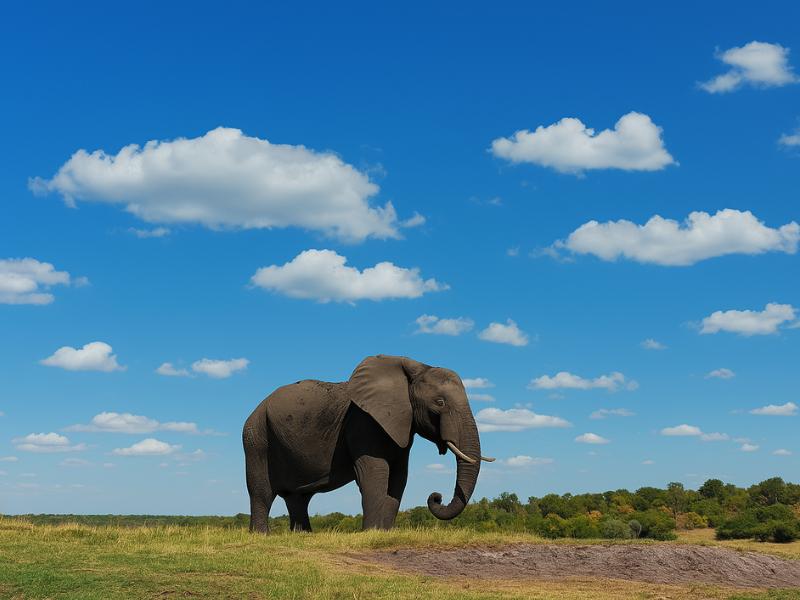
Dry season (May-October) delivers optimal game drive conditions with sparse vegetation and dried grass providing excellent visibility for spotting animals from hundreds of meters away, seeing through previously impenetrable bush, and tracking movement across open landscapes. Concentrated wildlife along Chobe River creates predictable viewing with 95-99% elephant encounter rates, 70-80% buffalo odds, and 60-80% lion probability on multi-day trips as animals must visit permanent water daily. Dusty conditions coat vehicles and equipment in fine Kalahari sand creating maintenance challenges, with dust clouds from moving vehicles sometimes obscuring views and requiring windbreakers or scarves protecting faces during particularly dry windy days. October specifically experiences extreme heat with afternoon temperatures reaching 95-105°F (35-41°C) creating oppressive conditions during hottest hours, though morning drives remain comfortable and wildlife concentrations reach annual peaks justifying heat tolerance.
Wet season (November-April) creates challenging game drive conditions as heavy rains transform landscapes into lush green environments with thick vegetation obscuring animals at 20-30 meters making them invisible despite being nearby. Dispersed animals ranging freely across park accessing seasonal water pans eliminate river-focused concentrations, dramatically reducing sighting frequencies and requiring extensive searching with lower success rates. Muddy roads become slippery and treacherous with vehicles struggling through deep mud, some tracks closing entirely limiting route options, and overall accessibility problems making interior areas unreachable during heavy rain periods. Afternoon thunderstorms arriving 2-4pm disrupt drive schedules forcing early lodge returns, with lightning creating genuine dangers requiring immediate evacuation of open vehicles despite missed wildlife opportunities.
Peak season (July-September) crowds game drives with 6-12 vehicles converging at popular sightings as multiple operators radio locations creating traffic jams at lion kills, leopard trees, and major elephant concentrations. The vehicle congestion diminishes experiences through diesel fumes from idling engines, radio chatter between guides coordinating positioning, multiple guide commentaries overlapping creating noise, and photographers competing for unobstructed angles. Advance booking 8-12 months becomes essential as quality operators sell out, with last-minute bookers settling for less experienced guides or inconvenient timing. Despite crowds, peak season delivers maximum wildlife concentrations and perfect weather (70-88°F / 21-31°C) justifying trade-offs for visitors prioritizing guaranteed spectacular sightings over intimate uncrowded experiences.
Shoulder season (May-June, October) provides excellent wildlife viewing at 80-90% of peak season quality while dramatically reducing crowds to 2-4 vehicles maximum at popular sightings versus 6-12 peak season. The manageable vehicle numbers create more intimate experiences with less noise, cleaner air without excessive exhaust, easier photography without vehicle obstruction, and overall relaxed atmosphere. May-June offers very good wildlife as dry season concentrations build steadily, while October delivers absolute maximum concentrations matching or exceeding August-September despite extreme heat. Booking windows of 3-6 months ahead versus 8-12 months peak season provide greater flexibility for travelers unable to commit far in advance.
Temperature variations create dramatically different experiences with cool May-June mornings starting 50-65°F (10-18°C) requiring light jackets and warm layers, pleasant midday highs reaching comfortable 75-85°F (24-29°C), and overall ideal conditions for extended drives without temperature discomfort. October mornings begin moderately at 65-75°F (18-24°C) remaining comfortable for early drives, but afternoon temperatures soar to 90-105°F (32-41°C) creating genuinely oppressive heat where even vehicle breeze provides minimal relief. July-September maintains perfect temperatures throughout with morning starts at 55-70°F (13-21°C) and afternoon highs reaching pleasant 75-88°F (24-31°C), explaining popularity beyond just wildlife concentrations. The temperature considerations particularly affect heat-sensitive visitors, seniors, families with young children, and photographers spending extended time at sightings under direct sun.
Wildlife patterns during dry season show river-focused behaviors with elephants commuting daily 10-30km from interior feeding areas to Chobe River for essential drinking 4-6pm, predators positioning at waterhole ambush sites knowing prey must visit, and overall predictable concentrations along narrow riverfront corridor. Wet season disperses animals widely as temporary water pans eliminate river reliance, with elephants ranging freely throughout available habitat, predators following dispersed prey into thick vegetation, and buffalo fragmenting into smaller groups spreading across renewed grasslands. The pattern differences mean dry season game drives follow concentrated productive corridors guaranteeing encounters, while wet season requires extensive searching across vast areas with unpredictable lower-probability results.
Practical recommendation strongly favors dry season May-October for game drives, with dramatically superior visibility through sparse vegetation, concentrated wildlife creating 95%+ major species encounter rates, reliable road conditions allowing comprehensive coverage, and predictable weather eliminating storm-related disruptions. Wet season November-April should be avoided unless extreme budget constraints leave no choice or dedicated birding interest justifies compromised mammal viewing, as thick vegetation, dispersed animals, muddy inaccessible roads, and afternoon storms combine creating genuinely disappointing experiences for wildlife-focused travelers. Within dry season, shoulder periods May-June and October deliver best value through 25-35% lower costs and fewer crowds while maintaining excellent wildlife quality.
If you’re flexible on dates, here’s the best time to visit Chobe tours based on what you actually want to see and photograph.
Recommended tours by season
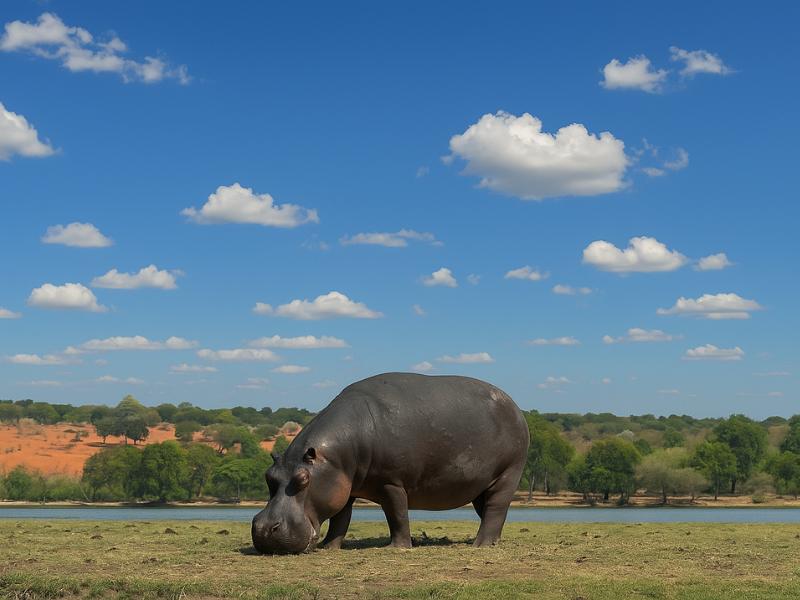
Chobe National Park Tour: Full Day with River Cruise
November–April. A 10-hour park day that includes a river cruise, when woodland tracks are less productive.
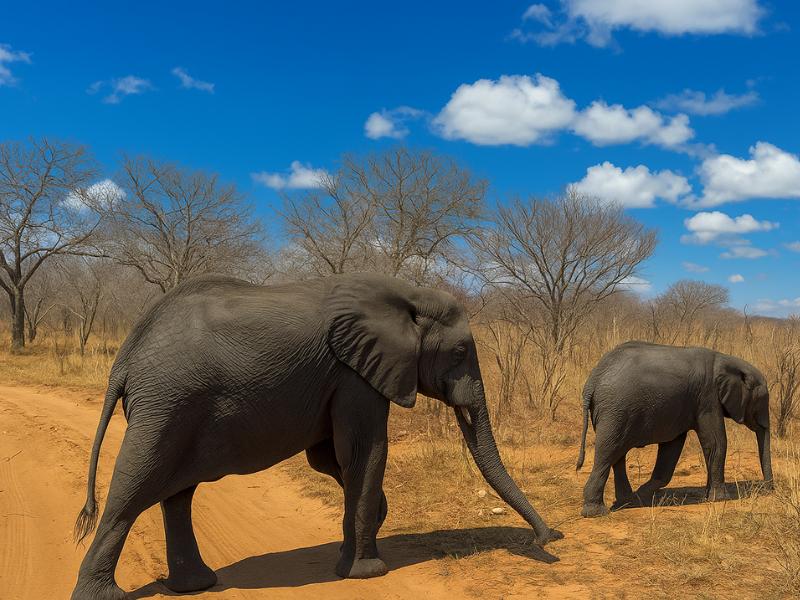
Full-Day Chobe Safari via Kazungula Bridge
May–June and October. A 10-hour day from Victoria Falls with the border crossing built in.
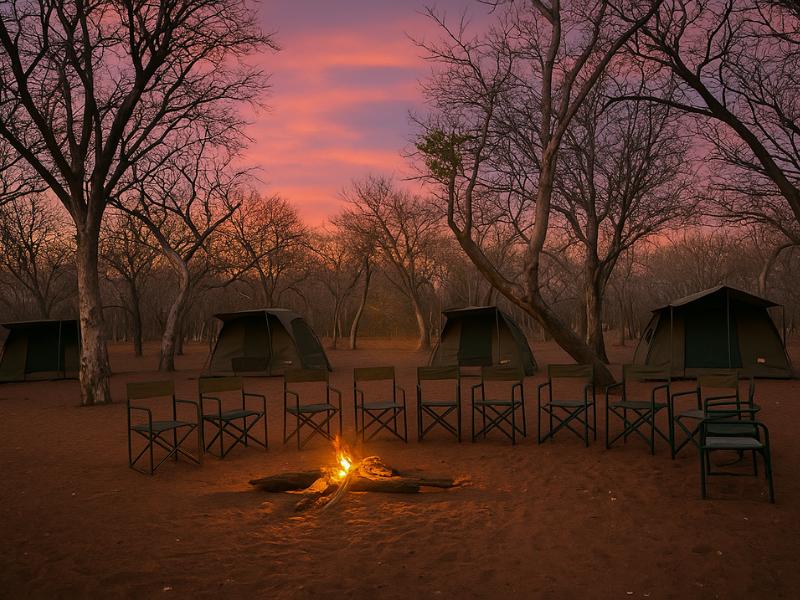
3-Day Chobe Safari Tour from Livingstone/Victoria Falls
May–October. Three days and two nights, enough time for both morning and afternoon drives.
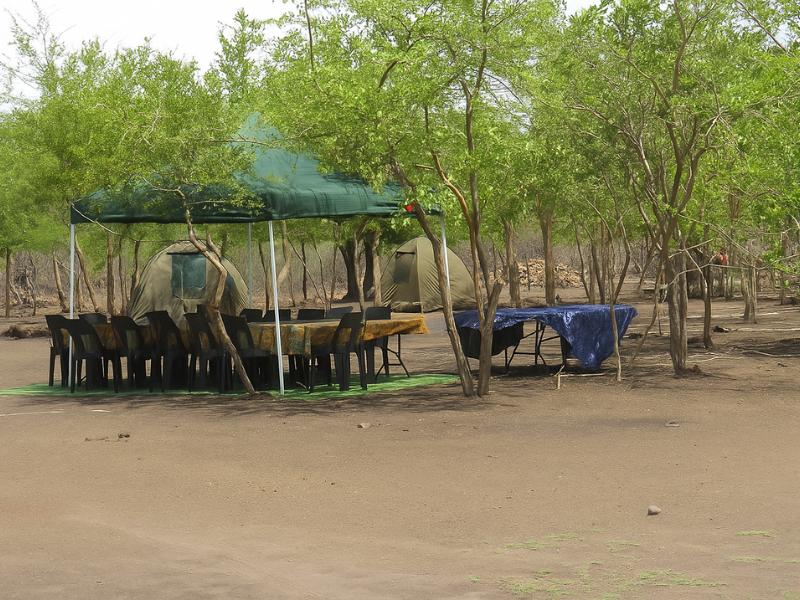
Overnight Chobe Safari with Camping
May–September. A 24-hour camping safari, better suited to the cooler, drier nights than to the rains.
| Season Factor | Dry Season (May-October) | Wet Season (November-April) |
|---|---|---|
| Vegetation/Visibility | Sparse, dried grass, excellent visibility 200+ meters | Dense green, thick bush, limited visibility 20-30 meters |
| Wildlife Concentration | High – river-focused, predictable locations | Low – dispersed widely, unpredictable locations |
| Elephant Sightings | 95-99%, herds 100-300+ animals | 50-70%, groups 10-50 animals |
| Lion Probability | 60-80% multi-day trips | 20-30% multi-day trips |
| Road Conditions | Good – dry hard-packed, all routes accessible | Poor – muddy slippery, some tracks closed |
| Weather Reliability | Excellent – minimal rain, clear skies | Poor – afternoon storms, lightning dangers |
| Dust Levels | High – constant coating, vehicle dust clouds | Low – rain settles dust |
| Temperature Range | 50-105°F (10-41°C) – cool May-Jun, hot Oct | 70-95°F (21-35°C) with high humidity |
| Crowd Levels | Moderate to heavy (peak Jul-Sep) | Very light, minimal tourists |
| Vehicle Congestion | 4-12 vehicles at major sightings | 1-2 vehicles typical |
| Route Options | All areas accessible, comprehensive coverage | Limited access, restricted routes |
| Photography | Excellent – clear visibility, open shots | Challenging – obstructed views, hidden animals |
| Overall Game Drive Quality | Excellent (9/10) | Poor to fair (3-5/10) |
| Best Months | May-Jun (comfort), Oct (max wildlife) | November (transitional), April (improving) |
| Recommendation | Strongly recommended, optimal conditions | Avoid unless budget/birding priority |
Safety Considerations and Bush Etiquette
Stay seated at all times when vehicle is moving and only stand when guide explicitly grants permission during stationary moments, as standing in moving vehicles creates fall risks from sudden stops, branch strikes, or sharp turns on uneven terrain. The seated rule applies even during slow speeds when standing seems safe, with guides halting vehicles completely before allowing passengers to stand for better photography angles or distant viewing. Children particularly require constant supervision ensuring they remain seated and don’t attempt standing or moving around vehicles while in motion, with parents responsible for enforcing rules guides establish.
Inside vehicle rule prohibits reaching outside vehicle body or leaning over edges attempting to touch vegetation, retrieve dropped items, or extend arms for photography angles, as any body parts extending beyond vehicle perimeter become vulnerable to aggressive animals, thorny branches, or accidents if vehicles shift position. The rule exists because animals perceive vehicles as single large entities but recognize individual humans once body parts protrude, potentially triggering defensive or predatory responses. Cameras, hats, and other items falling outside vehicles must be left until guides assess safety and retrieve them during appropriate moments, never prompting passengers to reach out grabbing items themselves.
Quiet voices preserve bush atmosphere and prevent disturbing wildlife, with excessive talking, loud laughter, or shouting causing animals to flee before close approaches or altering natural behaviors guides want passengers observing. Whispered conversations remain acceptable during wildlife viewing, while normal conversation volumes work during transit between sightings, but loud voices, screaming, or aggressive sounds create problems. Children struggling with volume control need gentle reminders about appropriate safari noise levels, with parents managing behavior ensuring kids don’t ruin experiences for other passengers through constant loud disruptions.
Dangerous animals particularly elephants, buffalo, and lions require absolute respect and appropriate distances, with guides maintaining 30+ meters from elephants (50+ meters if calves present), 30+ meters from buffalo, and 20+ meters from lions ensuring passenger safety while allowing quality viewing. Elephants display warning signs including head shaking, ear spreading, mock charging, and trumpeting that guides recognize immediately, responding by retreating or repositioning vehicles eliminating threats. Buffalo prove unpredictable particularly solitary bulls showing aggressive tendencies without warning, requiring constant vigilance and conservative distance maintenance. Lions rarely show interest in vehicles but wounded, mating, or feeding cats become dangerous, with guides reading body language and maintaining safe observation distances.
Emergency procedures include guides trained in first aid addressing medical issues from minor injuries through heart attacks or serious accidents, two-way radios allowing immediate communication with lodge management and other guides if assistance needed, comprehensive first aid kits containing bandages through emergency medications, and established evacuation protocols moving seriously ill or injured passengers to medical facilities. Vehicle breakdowns get handled through radio requests for rescue vehicles picking up stranded passengers, with guides carrying basic tools and spare parts addressing common mechanical issues. Dangerous animal encounters follow protocols with guides starting engines and reversing slowly if charges seem imminent, never panicking but maintaining calm professional responses protecting passengers.
Worried about the trip? Check out our guide on are Chobe tours safe for tourists – it covers everything from animal behavior to medical facilities nearby.
FAQ: Chobe Game Drives
1. How long are game drives in Chobe?
Standard game drives last 3-4 hours. Morning drives depart 6-6:30am and return 9:30-10am for breakfast. Afternoon drives depart 3-3:30pm and end at sunset 6-6:30pm. Full-day drives lasting 8-10 hours with picnic lunches cost $150-250 and explore remote areas.
2. What time do morning game drives start?
Morning drives start 6-6:30am before breakfast, capitalizing on peak predator activity and cool temperatures. This early departure time is essential for finding lions at kills and observing active wildlife before heat suppresses behaviors around 10am.
3. Can you get out of the vehicle during game drives?
Only at designated bush stops halfway through drives (10-15 minutes for bathroom breaks). Never exit vehicles near animals due to extreme danger. Stay seated when vehicle moving, stand only when guide grants permission during stationary safe moments.
4. What should I wear on a game drive?
Neutral colors (khaki, olive, brown), layers for temperature changes, long sleeves for sun/insect protection, closed comfortable shoes, wide-brim hat, and sunglasses. Morning drives need light jacket for cool 50-65°F (10-18°C) starts. Avoid bright colors, sandals, and excessive jewelry.
5. Are game drives safe?
Yes, very safe when following guide instructions. Stay seated when moving, never reach outside vehicle, maintain quiet voices, and follow all safety protocols. Guides are trained in emergency procedures, animals rarely show interest in vehicles, and incidents occur almost exclusively from rule violations.
6. How many people are in a game drive vehicle?
Shared drives carry 6-9 passengers from different parties. Budget operators maximize at 9, mid-range use 6-8, premium limit to 6 guaranteeing window seats. Private drives accommodate 4-6 from your group exclusively for $250-450 total.
7. What animals will I see on a Chobe game drive?
Guaranteed: Elephants (95-99%), impala (99%). Highly probable on multi-day trips: Buffalo (70-80%), giraffe (60-80%), lions (60-80%), kudu (70-90%). Moderate odds: Leopards (25-40%), wild dogs (10-20%). Plus diverse birds and antelope species.
8. Do I need my own binoculars for game drives?
Recommended but not essential. Many lodges and operators provide binoculars for guest use. If purchasing, choose 8×42 or 10×42 configuration for optimal balance between magnification and stability. Quality mid-range binoculars ($150-400) adequate for most visitors.
Glossary: Game Drive Terms
Game Drive/Safari Drive: Wildlife viewing expedition in open 4×4 vehicle lasting 3-4 hours, traveling through Chobe National Park searching for elephants, predators, and diverse species with licensed guide providing identification and interpretation.
Open Vehicle/Safari Vehicle: Purpose-built or converted 4×4 with removed side panels, tiered bench seating for 6-9 passengers, canvas roof for sun protection, and elevated positions 2-3 meters above ground allowing unobstructed 360-degree viewing.
Bush Stop: Designated mid-drive pause lasting 10-15 minutes allowing passengers to stretch legs, use bathroom facilities behind bushes or portable toilets, and enjoy refreshments before resuming wildlife searching.
Spoor/Tracking: Animal tracks, droppings, feeding signs, and other evidence guides read interpreting species present, movement directions, and how recently animals passed through areas, essential skill finding elusive predators.
Big Five: Historical hunting term for Africa’s five most dangerous game animals – lion, leopard, elephant, buffalo, rhinoceros. Chobe has four of five (no rhinos), now used in safari tourism marketing.
Mock Charge vs Real Charge: Mock charge is threat display where animal (usually elephant) rushes forward with ears spread and trumpeting but stops before contact, warning to retreat. Real charge continues to contact intending harm, extremely rare if proper distances maintained.
Sighting/Wildlife Encounter: Moment when vehicle locates animals allowing observation and photography, ranging from brief glimpses of fleeing animals to extended 30-60 minute sessions watching feeding, socializing, or resting wildlife.
Radio Call: Two-way communication between guides sharing sighting locations, coordinating at major encounters, requesting assistance for emergencies, using coded language or direct descriptions depending on operator protocols.
Ready to Experience Chobe Game Drives?
Chobe game drives deliver 3-4 hour expeditions in open 4×4 vehicles accessing terrestrial predators, interior habitats, and comprehensive wildlife that boat cruises cannot reach. Morning drives departing 6-6:30am capitalize on peak predator activity with 60-80% lion odds on multi-day trips, while afternoon drives 3-6:30pm capture spectacular elephant concentrations at river (100-300 animals at peak) and golden hour photography. Expert guides transform simple animal spotting into educational experiences through tracking skills reading spoor, behavioral interpretation explaining what animals are doing and why, and accumulated route knowledge finding elusive species in productive territories.
Book a full-day Chobe safari via Kazungula Bridge once you have compared vehicle types; purpose-built trucks cost more than converted ones but ride more stably over a 3–4 hour outing. Comprehensive 3-day Chobe safari itineraries from Livingstone or Victoria Falls should include equal numbers of morning and afternoon drives alternating throughout stay, ensuring complete coverage of daily wildlife activity cycles and varied habitats from riverfront through woodland to floodplains.
At Chobe Tours, our purpose-built safari vehicles feature reinforced suspension minimizing bouncing, cushioned tiered seating guaranteeing window seats, and comprehensive features including radios, first aid kits, and beverage coolers. Our expert guides with years of daily drive experience know lion territories intimately, recognize individual leopards’ favorite resting trees, understand seasonal elephant movement patterns, and interpret animal behaviors teaching guests ecosystem functioning beyond simple species identification.
Book your Chobe game drives at chobetours.com where purpose-built vehicles, expert tracking guides, and comprehensive itineraries combining game drives with boat cruises create complete safari experiences accessing Chobe’s full wildlife diversity from guaranteed elephants through probable lions to possible leopards.
The elephants browse interior woodlands. The lions wait at waterhole ambush sites. The leopards rest in riverine trees. The question is when your game drive will find them.
From the guides at Chobe Tours who’ve led thousands of game drives finding lion kills at dawn, tracking leopards to favorite marula trees, positioning for swimming elephant encounters, and creating memorable wildlife moments through decades of accumulated knowledge reading animal signs, predicting movements, and understanding Chobe’s ecosystems intimately.