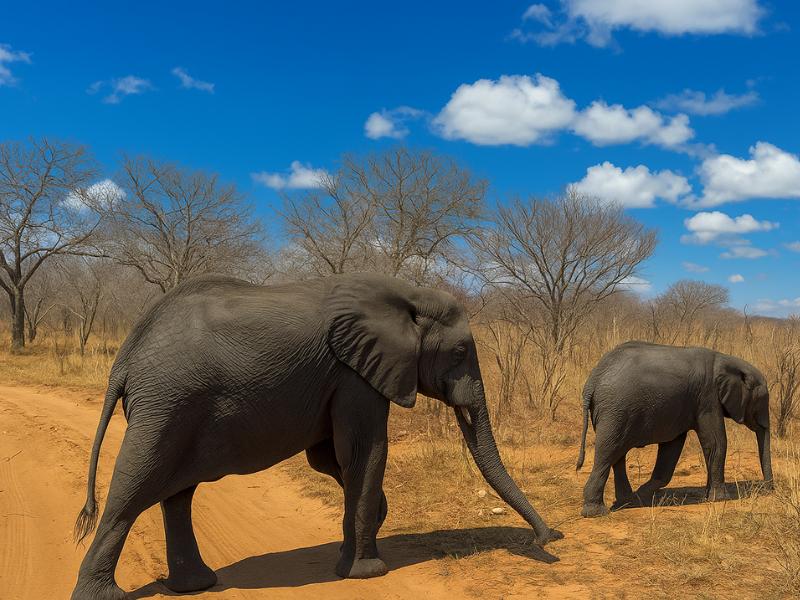
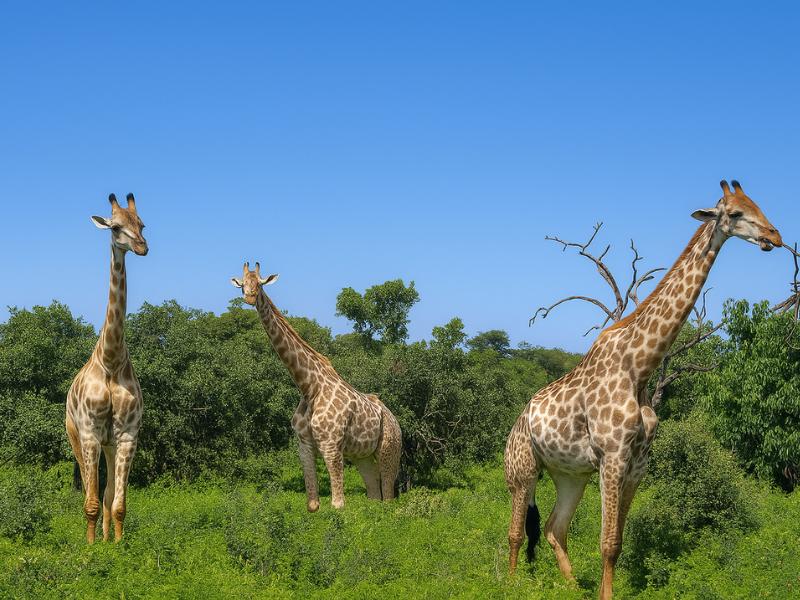
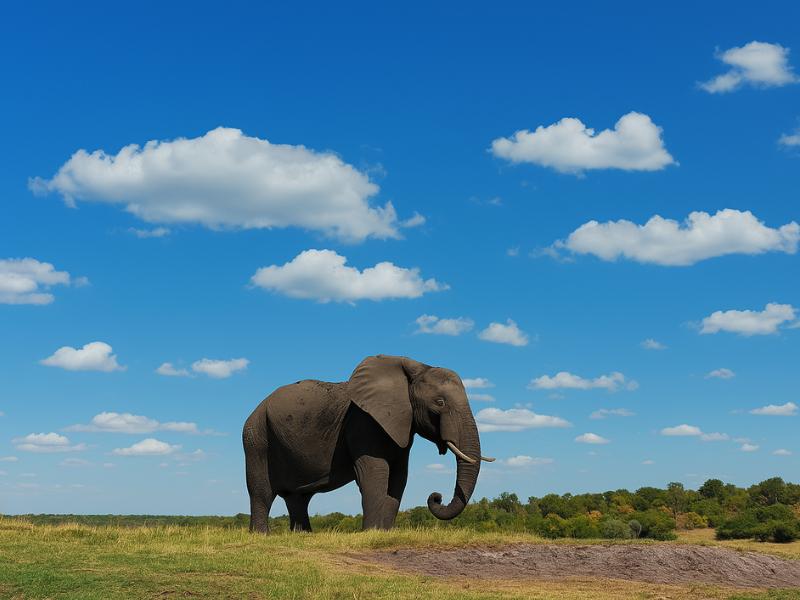
A full-day safari from Victoria Falls covers the Kazungula crossing, a river cruise, an afternoon game drive, and lunch. Confirm a date that fits your travel window before you lock the rest of the trip.
Yes, Chobe is very safe and ranks among Africa’s safest safari destinations, with thousands of tourists visiting annually without incident when following basic precautions and guide instructions. Botswana maintains stable democracy, low crime rates, well-regulated tourism industry with professional operators, and peaceful environment where visitor safety remains paramount to tourism-dependent economy. The overwhelming majority of Chobe visitors experience completely safe trouble-free safaris, with incidents occurring almost exclusively from rule violations like standing in moving vehicles, ignoring guide warnings, or skipping malaria prophylaxis rather than random unavoidable dangers.
| Safety Factor |
Risk Level |
Explanation |
Prevention/Management |
| Wildlife Encounters |
Low-Moderate |
Animals dangerous if approached improperly, but safe from vehicles when following rules |
Stay seated, follow guide instructions, never exit vehicles near animals, respect distances |
| Malaria |
Moderate |
Year-round transmission risk, preventable with medication, treatable if caught early |
Take antimalarial prophylaxis, use insect repellent, sleep under nets, seek treatment if fever |
| Sun Exposure |
Moderate |
Hours in open vehicles cause burns/dehydration if unprotected |
SPF 50+ sunscreen, wide-brim hat, sunglasses, constant hydration, lip balm |
| Crime/Theft |
Very Low |
Minimal tourist-targeting, basic precautions adequate |
Use hotel safes, don’t flash valuables, avoid walking alone at night, normal city awareness |
| Road Accidents |
Low-Moderate |
Self-drive risks from potholes/wildlife, professional operators very safe |
Use reputable operators with maintained vehicles, avoid self-driving if inexperienced |
| Food/Water Safety |
Low |
Lodge food high quality, bottled water provided |
Drink only bottled water, eat at established restaurants/lodges, basic hygiene |
| Medical Emergencies |
Low |
Limited local facilities, evacuation available with insurance |
Comprehensive travel insurance with $100k+ medical evacuation, bring prescription medications |
| Political Instability |
Very Low |
Stable democracy since 1966, peaceful orderly governance |
No special precautions needed, standard travel awareness |
| Terrorism |
Very Low |
No history, no current threats, peaceful region |
No special precautions needed |
| Violent Crime |
Very Low |
Extremely rare against tourists, Botswana generally peaceful |
Normal precautions, awareness of surroundings, avoid isolated areas at night |
Wildlife Safety: The Real and Perceived Risks
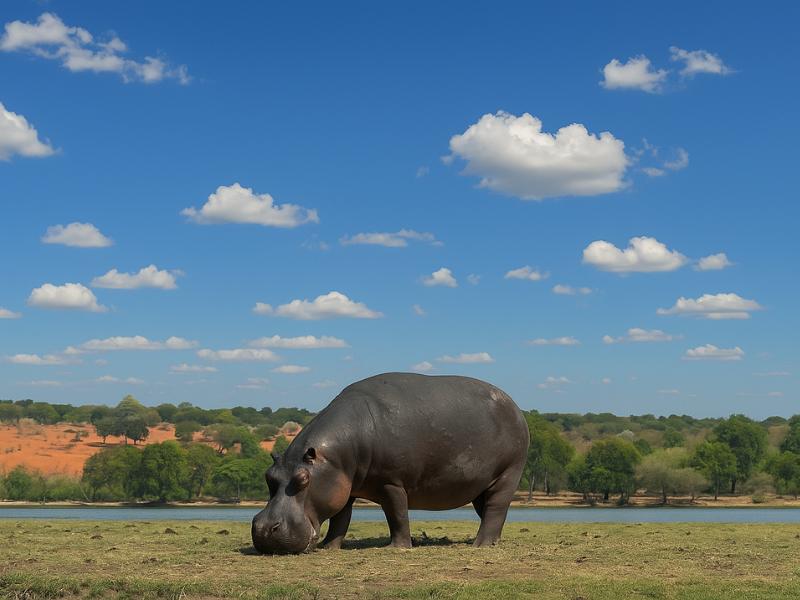
Actual danger from Chobe wildlife remains low when following established safety rules, with incidents occurring almost exclusively from tourist rule violations like standing in moving vehicles, reaching outside vehicle bodies, ignoring guide warnings about dangerous animals nearby, or exiting vehicles in unauthorized areas. The managed safari context where professional guides control situations, maintain appropriate distances, read animal body language predicting behaviors, and position vehicles safely creates protected viewing environment dramatically reducing risks. Statistics show thousands of annual Chobe visitors complete safaris without wildlife incidents, with the rare injuries or fatalities traced back to obvious rule-breaking like tourists photographing elephants on foot despite warnings, attempting to touch animals, or ignoring mock charge signals requiring immediate retreat.
Dangerous animals requiring particular respect include elephants responsible for most wildlife-related incidents through protective mothers with calves charging perceived threats, solitary bulls in musth showing aggressive unpredictable behaviors, and herds feeling cornered or surprised reacting defensively. Hippos prove extremely dangerous despite docile appearance, killing more humans annually across Africa than any large animal through territorial aggression, unpredictable attacks on boats approaching too closely, and encounters during nightly grazing when animals move between water and feeding areas. Buffalo, particularly solitary old bulls called “dagga boys,” show unpredictable violent responses when threatened, using massive horns and 900kg weight creating deadly force. Lions rarely threaten tourists in vehicles but wounded cats, mating pairs, or mothers with cubs require extra caution and distance, with guides maintaining 20-30 meter minimums preventing defensive reactions.
Vehicle safety relies on animals perceiving safari vehicles as single large non-threatening entities rather than recognizing individual humans inside, with this protection disappearing immediately once passengers stand up, reach outside vehicle perimeters, or exit near animals. The vehicle-as-unit principle means elephants, lions, and buffalo tolerate close vehicle approaches they would never accept from humans on foot, allowing spectacular encounters impossible through walking safaris. Standing passengers break the vehicle silhouette causing animals to recognize humans and potentially react defensively or aggressively, while protruding arms or cameras signal human presence triggering similar responses. The protection works only when all passengers remain seated keeping low profiles maintaining vehicle outline animals have learned to ignore through repeated safe encounters.
Key rules for wildlife safety include staying seated always when vehicle is moving and only standing when guide explicitly grants permission during stationary safe moments, never reaching hands, arms, or cameras outside vehicle body protecting all body parts within vehicle perimeter, following guide instructions immediately without questioning or delay during animal encounters as seconds matter responding to changing situations, maintaining quiet voices avoiding loud talking or shouting that disturbs animals or prevents guides hearing important sounds, and never attempting to attract animal attention through whistling, calling, or waving. These straightforward rules when followed consistently virtually eliminate wildlife incident risks, with violations creating nearly all documented tourist injuries from otherwise manageable situations.
Mock charges versus real attacks show different animal intentions, with mock charges serving as threat displays where elephants rush forward with ears spread and trumpeting but stop before contact warning intruders to retreat, while real attacks continue to contact intending actual harm. Experienced guides recognize warning signs preceding charges including elephant head shaking, ear spreading, trunk swinging, and agitated body language signaling animals feeling threatened, responding by reversing vehicles slowly, avoiding sudden movements that escalate situations, and creating distance eliminating perceived threats. The guide training in animal behavior, accumulated experience reading body language, and understanding species-specific threat displays allows predicting dangerous situations and positioning vehicles safely before problems develop, with radio communication warning other guides about aggressive animals in areas.
A family from Canada on morning game drive followed all safety rules, remaining quietly seated when guide positioned vehicle near elephant herd with young calves, watching peacefully as matriarch approached to 15 meters investigating vehicle then leading family away satisfied no threat existed. Another tourist the same week repeatedly stood in moving vehicle despite warnings, attempting photography angles and ignoring guide instructions to sit. During elephant encounter with protective mother and calf, the standing tourist triggered defensive response as matriarch perceived human outline, executing full charge rushing vehicle at 40 km/h with ears spread and trunk raised. The guide reversed rapidly while shouting at tourist to sit, with elephant stopping charge at 8 meters after tourist finally dropped into seat, but the terrified family ended safari early and filed complaints about “dangerous conditions” created entirely by their own rule violations.
Want to know what to look for? Our guide on the animals in Chobe tours shows you what lives in the park and where you’re most likely to find them.
Crime and Theft: What Tourists Should Know
Overall crime in Chobe and Kasane remains very low compared to most tourist destinations, with tourism-dependent economy creating protective environment where local communities and government prioritize visitor safety recognizing economic importance. The small-town Kasane atmosphere with population under 10,000 maintains relatively close-knit community where suspicious activity gets noticed, crime against tourists damages local reputation affecting everyone’s livelihood, and police presence focuses on tourist areas maintaining security. Chobe National Park itself has essentially zero crime as access is controlled, visitors travel in guided groups, and remote wilderness locations offer no opportunities for criminal activity. The overall environment proves remarkably safe for African standards and compares favorably to many Western tourist destinations.
Petty theft occurs occasionally in Kasane town through pickpocketing in crowded markets, opportunistic bag snatching from vehicles, or hotel room theft when valuables left unsecured, though incidents remain minimal and rarely target tourists specifically. The theft risk concentrates in public areas like Kasane shopping district, markets, and restaurants rather than lodges or during safari activities where security proves tight. Unattended bags at outdoor restaurant tables, phones left on vehicle seats in parking areas, or cameras hanging loosely create occasional targets, with basic awareness preventing most problems. Lost or stolen items rarely involve violence or confrontation, with thieves preferring quick opportunistic grabs versus aggressive robbery requiring victim interaction.
Violent crime against tourists proves extremely rare in Botswana generally and virtually nonexistent in Chobe specifically, with the peaceful stable country maintaining low overall crime rates and strong cultural respect for visitors. Armed robbery, assault, carjacking, and similar violent crimes affecting tourists in some African countries simply don’t occur regularly in Botswana’s controlled tourism areas. The few incidents reported involve disputes between locals rather than tourist targeting, with visitors experiencing extraordinarily low violent crime exposure. Lodge security, guided group activities, and tourist-area police presence combine creating protected environment where violent crime becomes highly unlikely.
Common sense measures adequate for Chobe safety include not flashing expensive jewelry, watches, or large cash amounts in public areas attracting unnecessary attention, avoiding walking alone at night in Kasane town particularly in poorly-lit areas away from main tourist district, using hotel room safes for passports, cash, and valuables rather than leaving items exposed in rooms, keeping bags and cameras close in crowded areas preventing opportunistic snatch-and-grab theft, and maintaining awareness of surroundings particularly in markets or busy public spaces. These basic precautions represent normal travel awareness required in any destination rather than special African-specific measures, with same vigilance exercised in Paris, New York, or London proving adequate for Kasane.
Comparison to major Western cities shows Chobe/Kasane experiencing lower tourist-targeting crime than London pickpocket hotspots, Paris metro theft rings, Barcelona bag snatchers, or many US cities’ tourist district crime. Visitors routinely walking Manhattan at night, taking Paris metro, or exploring Barcelona markets face higher theft probability than Kasane tourists following basic precautions. The controlled nature of safari tourism, small-town environment, and economic incentives protecting tourist reputation create safer conditions than many familiar Western destinations tourists visit without safety concerns.
Recommended tours by season
A full day in the park with a river cruise, useful when you want time on the water as well as a drive.
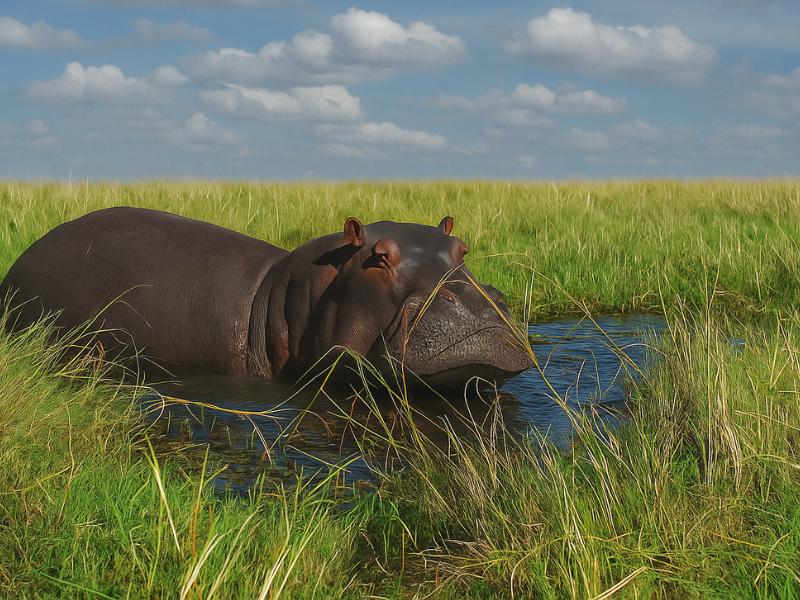
Private vehicle and a flexible daily schedule, with a two-person minimum.
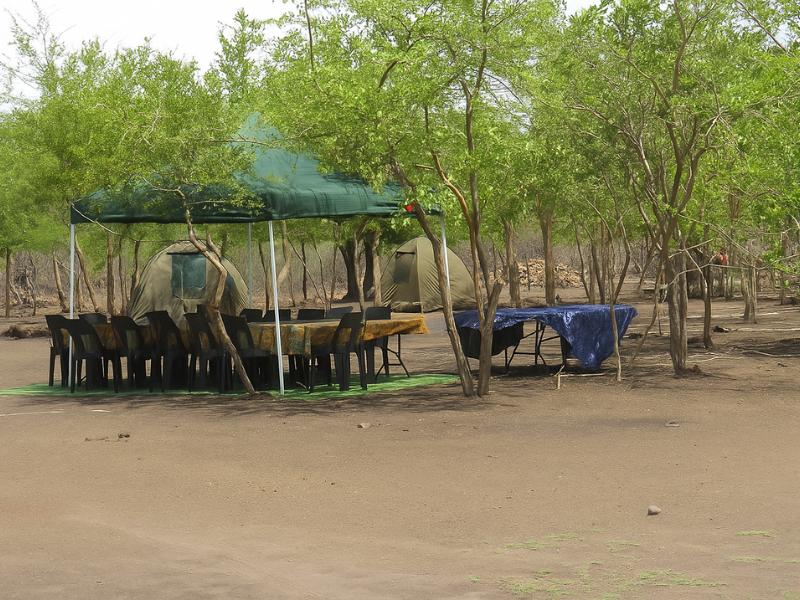
One night camping in the park, staying with your guide instead of returning the same day.
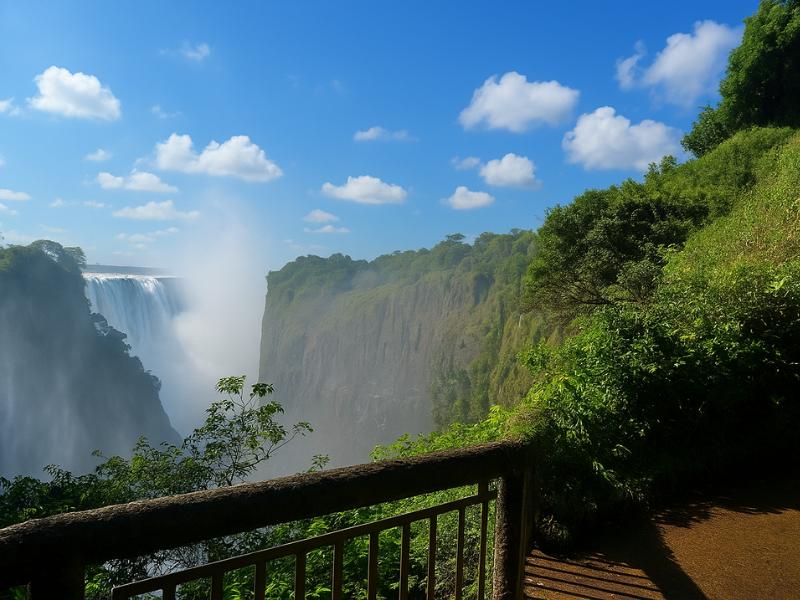
Three days across Zambia, Zimbabwe, and Botswana, with the border crossings built into the itinerary.
Health and Medical Safety
Malaria exists year-round throughout Chobe National Park and Kasane area as endemic disease with continuous transmission risk requiring antimalarial prophylaxis for all visitors regardless of season or trip duration. The preventable disease becomes serious or fatal without treatment but reduces to under 5% infection probability when taking prescribed medication consistently, with options including Malarone (daily), doxycycline (daily), or mefloquine (weekly) depending on personal health factors and doctor recommendations. Consult travel clinic or doctor 4-6 weeks before departure for prescription and instructions, start medication on schedule before arrival, continue throughout trip, and complete specified period after returning home (1-4 weeks depending on medication type). Never skip prophylaxis assuming brief visits, dry season, or lodge screening eliminates risk, as single infected mosquito bite transmits disease with potentially deadly consequences, and “natural” prevention methods like garlic, vitamin B, or electronic devices prove completely ineffective.
Medical facilities in Kasane remain limited to basic clinic handling minor issues like upset stomachs, cuts, or routine medications but lacking capacity for serious illnesses, major injuries, or complex diagnoses requiring advanced equipment. Serious medical emergencies including severe malaria, heart attacks, major trauma, or conditions requiring surgery necessitate air evacuation to Gaborone (Botswana capital, 1,000km away) or Johannesburg, South Africa (1,500km away) where modern hospitals provide comprehensive care. The evacuation process involves arranging charter aircraft at $10,000-50,000+ cost depending on distance, patient condition, and required medical equipment, with response times of 4-12 hours from emergency call to arriving at advanced facility. Remote lodge locations mean ambulance access proves difficult, with helicopter evacuations sometimes required from lodges inaccessible by road, adding complexity and cost to emergency responses.
Travel insurance with comprehensive medical evacuation coverage of $100,000-250,000 minimum proves absolutely non-negotiable for Chobe visits, protecting against financially devastating evacuation costs that bankrupt families without coverage. Basic travel insurance covering trip cancellation and baggage costs just $30-60 but lacks critical medical provisions, while comprehensive policies at $80-150 include emergency medical treatment, air ambulance evacuation, repatriation, and 24/7 emergency assistance coordinating care. Read policy fine print verifying coverage includes air ambulance evacuation from remote areas, pre-existing condition clauses don’t exclude coverage, activity exclusions don’t eliminate safari participation, and coverage limits meet realistic $100,000+ evacuation costs from Botswana to South African medical facilities. The insurance represents essential safety equipment like malaria medication, not optional luxury or unnecessary expense given potential six-figure medical bills.
Planning your budget? Here’s safari costs explained in Chobe tours so you know which expenses are worth it and which you can skip.
Common health issues affecting Chobe tourists include dehydration from inadequate water intake during hot dry conditions, sunburn from hours in open vehicles under intense African sun, upset stomachs from dietary changes or contaminated food/water, heat exhaustion during extreme October temperatures reaching 105°F (41°C), and minor cuts or scrapes from bush walks. All these problems prove preventable through drinking 3-4 liters water daily staying ahead of thirst, applying SPF 50+ sunscreen every 2-3 hours, consuming only bottled water and avoiding ice/raw vegetables, taking rest breaks during extreme heat, and wearing closed shoes protecting feet. Treatment for minor issues involves over-the-counter medications (ibuprofen, anti-diarrheal, antihistamines), rest, hydration, and basic first aid most lodges provide, with medical clinic visits necessary only if symptoms persist or worsen beyond 24-48 hours.
Practical recommendation treats comprehensive travel insurance and consistent malaria prophylaxis as absolute non-negotiable requirements for Chobe visits, with both protecting against low-probability but catastrophic consequences no responsible traveler risks. Purchase insurance immediately upon booking safari before any trip cancellation triggers, verify evacuation coverage specifics, save emergency contact numbers in phone, and keep policy documents accessible. Take malaria medication exactly as prescribed without skipping doses, use 30-50% DEET insect repellent during dawn/dusk mosquito activity, sleep under mosquito nets lodges provide, and seek immediate medical attention if developing fever during trip or within two months after returning home as malaria symptoms sometimes appear weeks after infection.
Need help with what to bring? Our safari packing list in Chobe tours covers everything from layers for early morning drives to sun protection and binoculars.
Road Safety and Driving Conditions
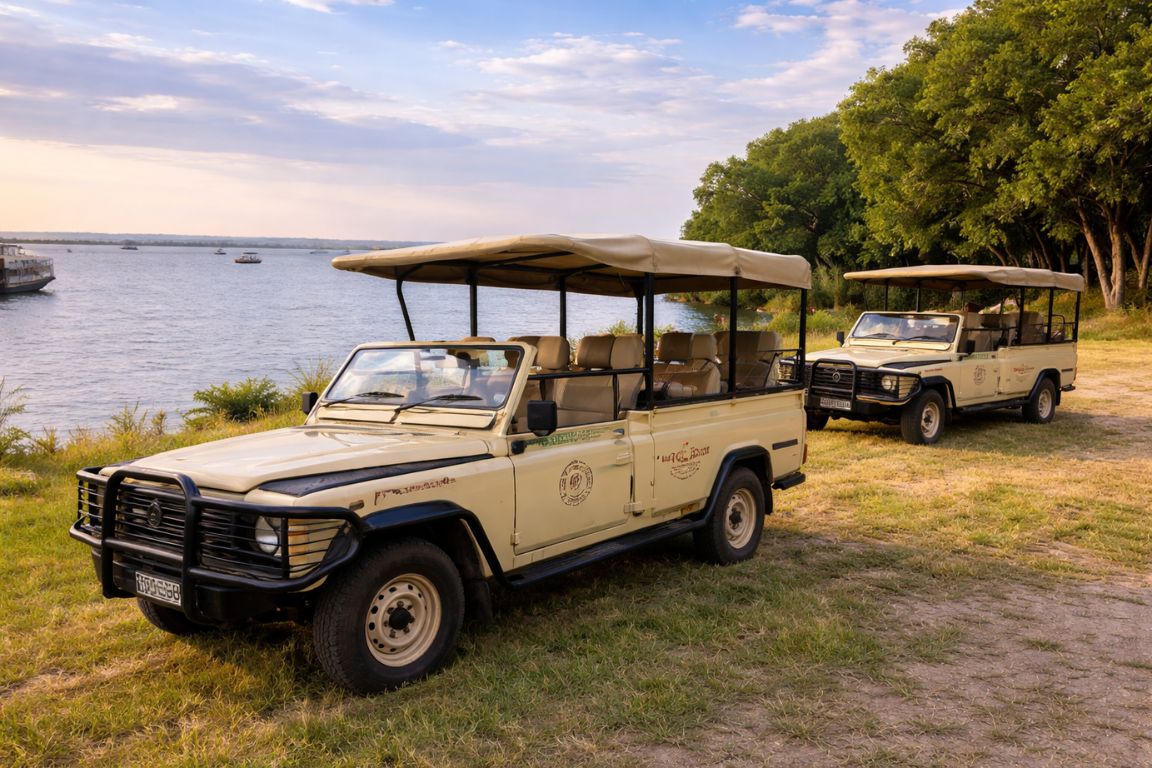
Self-drive risks in Chobe area include significant potholes on paved roads creating vehicle damage and loss-of-control dangers particularly at night or during rain, wildlife crossing roads unexpectedly with elephants, buffalo, and antelope appearing suddenly requiring emergency braking, left-side driving unfamiliar to visitors from right-side countries increasing accident probability during first days, and limited roadside services with fuel stations, mechanics, and emergency assistance sparse between Kasane and surrounding areas. The combination of challenging road conditions, wildlife hazards, unfamiliar driving side, and isolation creates moderate-to-high risk environment for inexperienced African drivers, with vehicle breakdowns in remote areas potentially stranding travelers for hours awaiting assistance. Self-drivers must maintain constant vigilance scanning for potholes and animals, drive conservatively at reduced speeds particularly dawn/dusk when wildlife most active, carry spare tires and basic tools, and ensure sufficient fuel as stations appear infrequently.
Game drive safety with professional operators delivers dramatically lower risk through experienced drivers who know road conditions intimately, maintain appropriate speeds for terrain and visibility, recognize wildlife behavior predicting road crossings, and operate well-maintained vehicles with regular safety inspections. Professional drivers navigate rough park tracks daily, understanding which routes become impassable after rain, where potholes concentrate requiring careful maneuvering, and when wildlife activity peaks demanding extra caution. Radio communication between guides provides backup if vehicles break down or accidents occur, with colleague vehicles responding quickly to assist stranded passengers, and lodge management coordinating rescue or replacement vehicles. The professional context with trained drivers, maintained equipment, and communication backup creates substantially safer environment than self-drive attempts.
Road conditions vary significantly with main Kasane-Victoria Falls route paved but featuring numerous deep potholes requiring constant attention and speed reduction, interior park roads consisting of rough dirt tracks with deep sand, rocky sections, and washboard corrugations, and some areas becoming completely impassable during wet season flooding. The 70km paved highway connecting Kasane to Victoria Falls appears deceptively good until potholes emerge suddenly, with poorly marked hazards causing accidents when drivers maintain highway speeds inappropriate for conditions. Park interior tracks handle 4×4 vehicles comfortably during dry season but deteriorate rapidly with rain, creating muddy treacherous conditions beyond most drivers’ capabilities. Fuel stations exist only in Kasane and Victoria Falls with 70km between, requiring planning and full tanks before park excursions where no services exist.
Accident risks remain moderate for self-drivers facing unfamiliar conditions, challenging roads, and wildlife hazards without local knowledge or experience, with fender-benders from potholes, wildlife collisions, and getting stuck in sand occurring regularly. Self-drive insurance often excludes wildlife damage, leaving drivers liable for expensive repairs after hitting animals, while getting stuck in remote areas creates safety issues beyond simple inconvenience. Professional operators show very low accident rates through driver training, route familiarity, appropriate vehicle speeds, and conservative decision-making prioritizing passenger safety over schedule, with serious accidents involving professional safari operators proving extremely rare. The dramatic safety difference between self-drive and professional operators emphasizes importance of operator choice for visitors planning Chobe safaris.
We’ve got the game drive experience explained in Chobe tours based on what really happens – not just the glossy brochure version.
Safari Activity Safety
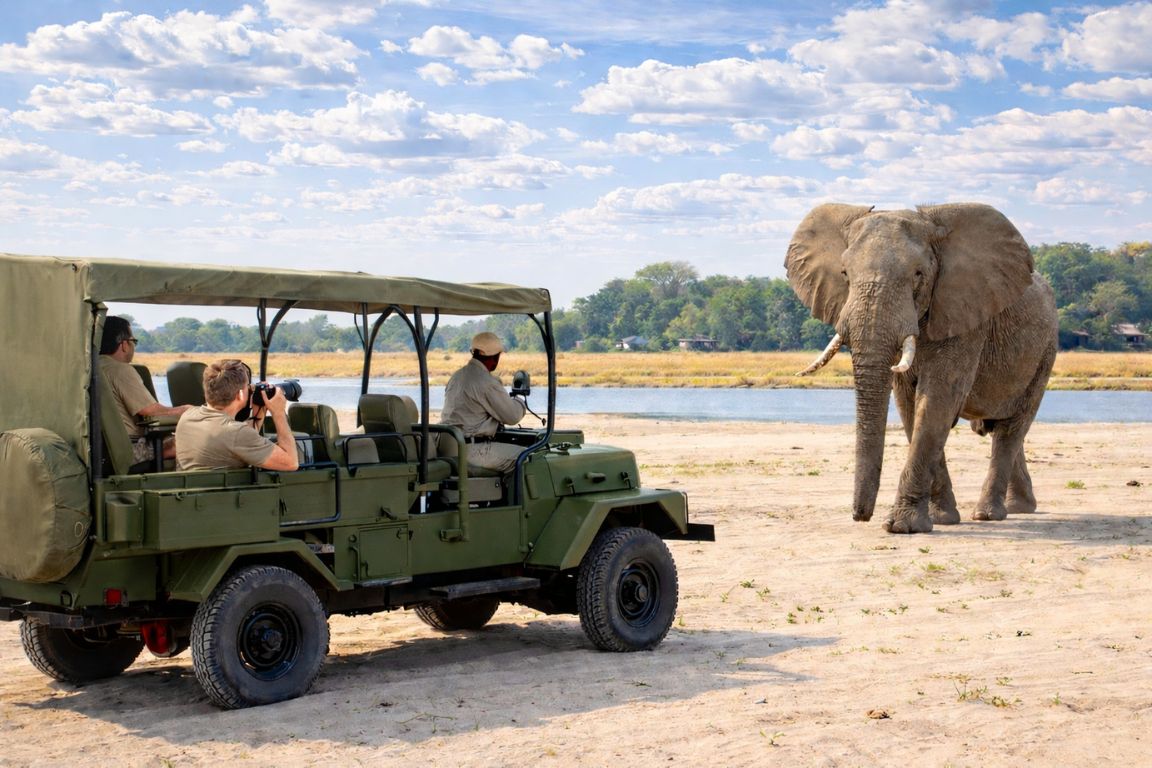 Game drives prove very safe when passengers follow established rules and trust guide expertise, with trained guides understanding animal behavior predicting dangerous situations, maintaining appropriate distances from elephants and predators, positioning vehicles considering escape routes, and reading body language signaling agitation or aggression. The guide training includes species-specific threat recognition, emergency response protocols, vehicle maneuvering in tight situations, and years of accumulated field experience observing thousands of wildlife encounters. Incidents during game drives trace almost exclusively to passenger rule violations like standing in moving vehicles, reaching outside for photography, or ignoring guide instructions during tense animal encounters, while passengers following simple safety protocols experience remarkably safe wildlife viewing even during close approaches to lions, elephants, and buffalo.
Boat cruises maintain excellent safety records through experienced captains managing hippo and crocodile risks by maintaining appropriate distances, avoiding aggressive territorial bulls, recognizing warning behaviors, and maneuvering boats away from threats before situations escalate. Life jackets remain available for all passengers with mandatory use for children and optional for adults, though capsizing proves extremely rare on calm Chobe River conditions with stable flat-bottomed boats. Captains navigate daily understanding which river sections host aggressive hippo bulls, where crocodiles bask predictably, and how close approaches animals tolerate before showing agitation, using this knowledge positioning boats for excellent viewing while maintaining safety margins. The combination of experienced captains, stable boats, calm water conditions, and predictable animal locations creates very safe environment for river-based wildlife viewing.
Can’t decide between the two? I’ve compared boat safari vs game drive in Chobe tours so you can see which gives you better wildlife encounters.
Walking safaris show minimal availability in Chobe National Park as regulations prohibit walking in most park areas due to dangerous wildlife concentrations, with limited walking opportunities existing only in specific private concessions or designated zones outside main park boundaries. Where walking safaris operate, armed guides with extensive training accompany groups, carrying rifles as backup protection against charging elephants or aggressive buffalo, with guides positioned to intercept threats before reaching tourists. The walking format creates inherently higher risk than vehicle-based viewing by removing protective vehicle barrier, requiring guides to maintain extreme vigilance, limit group sizes to 4-6 people for better control, and abort walks immediately if dangerous animals appear nearby. Most Chobe visitors never participate in walking safaris as primary activities remain vehicle-based game drives and boat cruises offering superior wildlife viewing with dramatically lower risk profiles.
Bush stops occur at designated safe areas guides verify before allowing passenger exits, with guides assessing surroundings for dangerous animals, checking vegetation for concealed threats, and establishing safe perimeter where passengers may move for bathroom breaks and stretching. The designated areas typically feature open visibility allowing guides seeing approaching animals from distance, limited dense vegetation where predators hide, and locations used regularly without incident creating familiarity. Guides always exit vehicles first scanning surroundings before granting passenger permission to disembark, maintain watchful positions monitoring for threats throughout stop, and keep radio communication with other guides about animal movements in areas. Passengers must remain within designated areas near vehicles, avoid wandering into vegetation, return immediately when guides signal, and never approach or photograph animals appearing during stops no matter how harmless they seem.
Weather risks remain generally manageable with lightning during wet season afternoon thunderstorms creating most serious danger, requiring immediate evacuation of open vehicles and return to lodges when electrical activity threatens as vehicles offer no lightning protection. Extreme heat during October afternoons reaching 95-105°F (35-41°C) causes dehydration, heat exhaustion, and occasionally heat stroke in vulnerable visitors, managed through adequate water intake, rest breaks, and limiting exposure during hottest 2-4pm hours. Heavy rains create temporary discomfort and visibility problems but rarely present serious danger beyond slippery conditions, while strong winds occasionally produce dust storms reducing visibility and coating passengers but passing quickly without lasting effects. The weather challenges prove more nuisance than genuine threat for healthy visitors taking basic precautions, with guides monitoring conditions and adjusting activities if weather becomes genuinely dangerous rather than merely uncomfortable.
Political Stability and Regional Security
Botswana stability stands unmatched in Africa as the continent’s longest continuous democracy since independence in 1966, maintaining peaceful orderly elections every five years, smooth power transitions between parties and leaders, and stable democratic institutions without military coups, dictatorships, or authoritarian rule. The country operates with strong rule of law, independent judiciary, free press, and respect for civil liberties unusual in African context, creating predictable secure environment for residents and visitors. Multi-party democracy functions effectively with opposition parties participating freely, election results accepted peacefully, and political disagreements resolved through democratic processes rather than violence or intimidation. The exceptional political stability spanning nearly 60 years creates foundation for economic development, tourism investment, and overall security making Botswana Africa’s success story in governance.
Regional conflicts affecting neighboring countries do not impact Chobe or Botswana generally, with peaceful borders maintained with Namibia to west, Zimbabwe to east, Zambia to north, and South Africa to south. The four-country convergence at Kazungula where Botswana-Namibia-Zambia-Zimbabwe meet shows remarkable cooperation including new bridge opened 2021 facilitating trade and tourism without tensions. No active military conflicts, territorial disputes, or cross-border violence affects region surrounding Chobe, with southern Africa generally maintaining peaceful relations despite occasional internal political tensions within individual countries. Zimbabwe’s political challenges and economic problems remain internal without spilling across border into Botswana, while Namibia and Zambia maintain stable peaceful relations with strong tourism cooperation through trans-boundary conservation initiatives.
Terrorism risk proves negligible in Botswana with no history of terrorist attacks, no active terrorist organizations operating in country, and no current credible threats according to international travel advisories. The country’s religious tolerance, ethnic harmony, lack of extremist groups, and absence from geopolitical conflicts eliminate typical terrorism motivations, while effective security services monitor potential threats. Southern Africa generally shows lower terrorism risk than East Africa, North Africa, or Sahel regions where extremist groups operate, with Botswana particularly insulated through geographic distance from conflict zones and domestic stability. International terrorism risk assessments consistently rate Botswana among Africa’s lowest-risk destinations, with Western embassies maintaining normal operations without heightened security alerts.
Civil unrest occurs rarely in Botswana’s peaceful society with strong governance, broad prosperity compared to regional neighbors, and effective channels for political expression and grievance resolution. Occasional labor strikes or public protests happen as normal democratic activity but remain peaceful, localized, and quickly resolved without violence, property damage, or tourist impacts. The country lacks ethnic, religious, or regional tensions fueling civil conflicts elsewhere in Africa, with relatively homogeneous population, no history of ethnic violence, and government policies promoting national unity. Tourist areas including Chobe maintain complete normalcy even during rare protests in capital Gaborone 600km away, with unrest never affecting safari operations or visitor safety.
Practical recommendation recognizes Botswana as among Africa’s most stable peaceful countries and genuinely safer from political violence, terrorism, and civil unrest than many Western nations experiencing domestic terrorism, political polarization, or civil disturbances. Tourists should feel confident traveling to Chobe without political safety concerns, focusing attention on manageable risks like wildlife and malaria rather than imagined threats from instability or violence. Check government travel advisories before departure ensuring no unexpected developments, though Botswana consistently maintains lowest-risk ratings with no special precautions required beyond normal travel awareness. The political stability represents major Botswana advantage for tourism, creating secure predictable environment where visitors focus on wildlife experiences rather than safety anxieties about regional conflicts or domestic turmoil.
FAQ: Chobe Safety Questions
1. Is it safe to visit Chobe National Park?
Yes, very safe. Chobe ranks among Africa’s safest safari destinations with thousands of annual visitors completing incident-free trips. Main manageable risks include wildlife (safe when following rules), malaria (preventable with medication), and sun exposure. Botswana maintains stable democracy, low crime, and well-regulated tourism. Follow guide instructions, take malaria prophylaxis, use common sense precautions.
2. Are there dangerous animals in Chobe?
Yes – elephants, hippos, buffalo, and lions pose genuine threats if approached improperly. However, animals ignore vehicles as single units, making viewing safe when passengers stay seated and follow rules. Incidents occur almost exclusively from rule violations like standing in vehicles or ignoring guide warnings. Professional guides recognize animal behaviors and maintain appropriate distances.
3. Is malaria a risk in Chobe?
Yes, year-round transmission risk requires antimalarial prophylaxis for all visitors. Consult doctor 4-6 weeks before departure for prescription (Malarone, doxycycline, or mefloquine). Take medication consistently throughout trip and specified period after returning. Never skip prophylaxis – medication reduces infection probability to under 5%.
4. Can I drink the water in Chobe?
No, don’t drink tap water. Lodges and operators provide bottled water – drink only bottled or boiled water. Avoid ice in drinks and raw vegetables washed in tap water. Lodge food quality is high and safe. Bring water purification tablets as backup if concerned, though bottled water remains widely available.
5. Is it safe to travel alone to Chobe?
Yes, perfectly safe for solo travelers including women. Group safari activities reduce isolation, lodges maintain secure environments with 24/7 staff, and Botswana shows respectful culture. Use hotel safes for valuables, avoid walking alone at night in Kasane town, stay in lodge areas after dark. Many solo visitors complete trouble-free safaris.
6. How safe is Botswana for tourists?
Very safe – Botswana maintains Africa’s longest continuous democracy (since 1966), low crime rates, no terrorism threats, and tourism-dependent economy prioritizing visitor safety. Safer than many Western cities for typical tourist crime. Political stability, peaceful society, and effective governance create secure environment. Standard travel precautions adequate.
7. What should I do if I see a dangerous animal?
Stay calm, remain seated in vehicle, follow guide instructions immediately without questioning. Never stand, reach outside, or make sudden movements. If walking during bush stop and animal appears, return to vehicle quickly but don’t run. Trust guide expertise – they’re trained in animal behavior and emergency response protocols.
8. Do I need special vaccinations for Chobe?
Yellow fever certificate required only if arriving from endemic countries (parts of Africa, South America). Routine vaccinations (tetanus, hepatitis A/B) recommended but not mandatory. Malaria prophylaxis essential. Consult travel clinic 4-6 weeks before departure for personalized recommendations based on medical history and itinerary. No special border vaccination requirements for most Western visitors.
Glossary: Safety Terms
Mock Charge vs Real Charge: Mock charge is threat display where animal (usually elephant) rushes forward with ears spread and trumpeting but stops before contact, warning intruders to retreat. Real charge continues to contact intending actual harm. Experienced guides recognize difference and respond appropriately – reversing vehicles during mock charges, creating distance eliminating perceived threats.
Malaria Prophylaxis: Preventive antimalarial medication taken before, during, and after visiting malaria-endemic areas like Chobe. Options include Malarone (daily), doxycycline (daily), or mefloquine (weekly). Reduces infection probability to under 5% when taken consistently. Essential for all Chobe visitors regardless of season or trip duration.
Medical Evacuation Insurance: Travel insurance coverage for emergency air ambulance transport from remote areas to advanced medical facilities. Chobe evacuations to Gaborone or Johannesburg cost $10,000-50,000+ without insurance. Minimum $100,000-250,000 coverage recommended. Essential non-negotiable requirement for safari visits given limited local medical facilities.
Bush Stop Safety: Procedures for mid-drive bathroom breaks at designated areas. Guides verify surroundings before allowing exits, check for dangerous animals, establish safe perimeter, maintain watchful positions throughout stop. Passengers must remain within designated areas near vehicles, avoid wandering into vegetation, return immediately when signaled.
Vehicle as Protection: Safari principle where animals perceive vehicles as single large non-threatening entities rather than recognizing individual humans inside. Protection disappears when passengers stand, reach outside, or exit near animals. Allows close wildlife viewing impossible on foot. Works only when all passengers remain seated maintaining vehicle silhouette.
Emergency Protocols: Established procedures for handling medical emergencies, dangerous animal encounters, vehicle breakdowns, or accidents. Include radio communication for backup, first aid treatment, evacuation coordination, and 24/7 lodge management support. Guides trained in emergency response, CPR, and crisis management.
Travel Advisory: Government warnings about safety conditions in foreign countries. Botswana consistently maintains lowest-risk ratings from US State Department, UK Foreign Office, and other Western governments. Check advisories before departure at travel.state.gov (US) or gov.uk/foreign-travel-advice (UK) for current conditions.
Designated Safe Areas: Specific locations verified by guides as safe for passenger exits during bush stops. Feature open visibility, limited concealment vegetation, regular use without incident, and guides monitoring for approaching animals. Passengers must not wander beyond established safe perimeters.
Ready to Visit Chobe Safely?
Chobe represents very safe safari destination with manageable risks when taking basic precautions, ranking among Africa’s safest tourism areas through stable political environment, low crime rates, professional tourism industry, and well-regulated wildlife viewing. The real risks—wildlife encounters, malaria, sun exposure—become minimal through following guide instructions, taking antimalarial prophylaxis, and using comprehensive sun protection, while imagined threats including crime, political instability, and terrorism prove largely unfounded in Botswana’s peaceful secure context.
Three non-negotiable safety requirements ensure safe Chobe visits: comprehensive travel insurance with $100,000+ medical evacuation coverage protecting against catastrophic costs if serious illness or injury requires air ambulance to advanced facilities, consistent malaria prophylaxis taken exactly as prescribed throughout trip and specified period after returning, and absolute adherence to guide safety instructions particularly during wildlife encounters where split-second responses prevent dangerous situations. These basic measures combined with reputable operator selection create virtually risk-free safari experiences enjoyed by thousands of annual visitors.
Book with established operators maintaining high safety standards through experienced guides trained in animal behavior and emergency response, well-maintained vehicles with regular inspections and radio backup, comprehensive insurance and licensing, and proven safety records spanning years or decades of incident-free operations. Reputable operators prioritize passenger safety over profits, refusing to take unnecessary risks, maintaining appropriate wildlife distances, and following all park regulations creating protected viewing environment.
Book your safe Chobe safari at chobetours.com where our guides’ extensive training in wildlife behavior and emergency protocols, maintained vehicles with radio backup systems, comprehensive insurance coverage, and decades of incident-free operations ensure your safety throughout safari experiences while delivering spectacular wildlife encounters.
The risks are manageable. The precautions are straightforward. The experience is unforgettable. The question is when you’ll experience Chobe’s incredible wildlife safely.
From the guides at Chobe Tours who’ve led thousands of safe safaris over many years, maintaining perfect safety records through proper training, appropriate wildlife distances, immediate response to guide instructions, and comprehensive emergency preparedness, understanding the difference between real manageable risks and exaggerated fears preventing people from experiencing one of the world’s premier wildlife destinations.