How to Plan a Safari in Chobe National Park
Planning your first Chobe safari? This step-by-step guide covers best months, ideal stay length, lodges, must-do cruises, real costs, and booking timing—no costly mistakes.
Last updated: March 10, 2026
Every week we receive emails from travelers asking “When should I visit Chobe?”, “How many days do I need?”, “Where should I stay?”, “Do I book game drives separately or packages?”, and “How much will this cost?” Planning a first safari feels overwhelming with dozens of decisions, contradictory advice online, and fear of booking wrong dates or missing key experiences. Some people spend months researching then still arrive unprepared, staying too short, visiting wrong season, or missing the boat cruises that make Chobe unique. Others overthink everything, paralyzed by options, then book last-minute paying premium prices for whatever remains available.
At Chobe Tours, we’ve planned thousands of safaris for first-timers and experienced travelers over years of operating in Chobe National Park. This guide provides complete step-by-step planning covering when to visit with month-by-month conditions (dry season May-October best, peak July-September), how long to stay (3-4 days optimal for most visitors), where to stay comparing Kasane lodges versus in-park options, what activities to book (game drives plus boat cruises essential), realistic costs from budget to luxury ($200-800 per day), and booking process with proper timing (6-12 months peak season). We address planning decisions directly with honest guidance about what matters versus what doesn’t, helping you create properly-planned safaris instead of expensive mistakes.
Overview: Planning Your Chobe National Park Safari
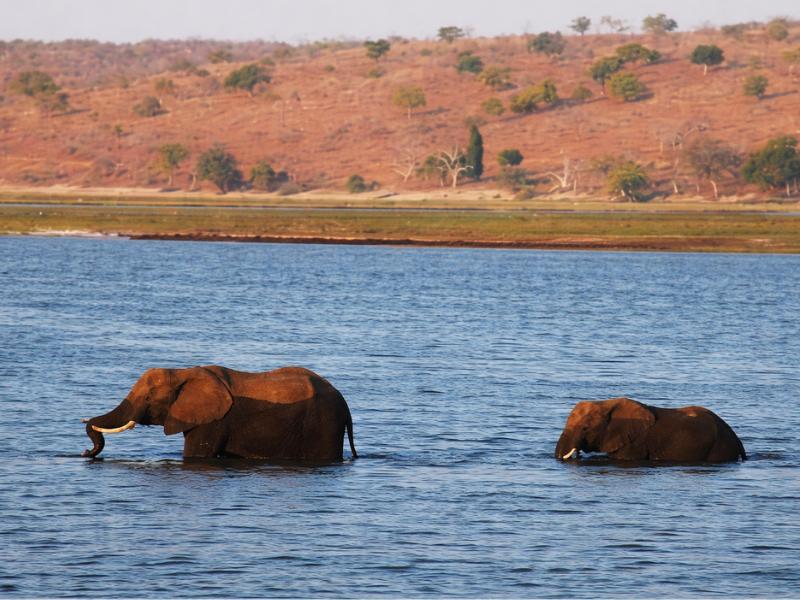
Why Chobe is special starts with the world’s largest elephant concentration, with an estimated 50,000+ elephants gathering along the Chobe River during dry season creating spectacular herds of 100-300 animals drinking, bathing, and crossing the river. The density surpasses any other African park, with some days seeing elephants everywhere you look rather than rare sightings requiring hours of searching. The Chobe River frontage creates year-round water access attracting massive concentrations of wildlife even during drought years when other parks struggle.
The unique river safari experience distinguishes Chobe from landlocked parks, allowing boat cruises alongside hippo pods, crocodiles sunning on banks, and elephant herds swimming across channels. The combination of traditional game drives and water-based safaris provides diverse perspectives seeing animals from land and water during the same trip. Accessibility from Victoria Falls just 70 kilometers away makes Chobe the easiest add-on to southern Africa’s most famous waterfall, with many visitors combining both destinations in single 4-6 day itineraries efficiently using limited vacation time.
Planning timeline requires booking 6-12 months in advance for peak season July-September when Chobe’s best wildlife viewing coincides with school holidays and pleasant weather. The prime lodges and camps sell out 8-10 months ahead during August specifically, leaving last-minute bookers with suboptimal accommodation or higher prices for remaining inventory. Shoulder season May-June and October allows shorter 2-4 month booking windows with good availability, though popular properties still fill up requiring some advance planning.
Budget travelers visiting wet season November-April can book just weeks ahead as tourism drops dramatically with difficult conditions and lodge closures, though this timing misses Chobe’s spectacular dry season wildlife concentrations. Day trippers from Victoria Falls book just days ahead year-round since day tour capacity exceeds demand, but overnight stays require proper advance planning. The booking timeline directly affects price and availability, with early planners securing better lodges at lower rates while procrastinators pay premiums or settle for whatever remains.
Basic safari structure combines three core elements working together creating complete Chobe experiences. Game drives in open 4×4 vehicles explore park interior searching for elephants, lions, leopards, buffalo, and diverse plains game during optimal wildlife activity periods (early morning 6-9am, late afternoon 3-6pm). Boat cruises along Chobe River provide water-based wildlife viewing seeing hippos, crocodiles, elephant herds at the river, water birds, and different perspectives than land-based game drives offer.
Accommodation provides base between activities, ranging from budget Kasane town lodges to luxury in-park camps with meals, rest time, and often game viewing from lodge grounds when animals pass through properties. The three components package together with most operators offering 2-day, 3-day, or 4-day combinations including set numbers of game drives, boat cruises, accommodation nights, and meals. Understanding this basic structure helps evaluate packages comparing what’s included versus pricing rather than getting confused by dozens of different offerings essentially providing same core experience.
A couple from Australia booked their Chobe safari 11 months ahead for August, securing riverfront lodge with spectacular elephant viewing from their deck at 30% below peak rates paid by later bookers. They combined 3 days Chobe with 3 days Victoria Falls, arranged border transfers smoothly, and experienced peak wildlife season with massive elephant herds and multiple lion sightings. Another couple booked 6 weeks before August trip, finding only budget Kasane accommodation 15km from park with 5am wake-ups for game drives, paying 40% more than early bookers, and settling for afternoon time slots when morning drives sold out.
| Planning Factor | Considerations | Options | Recommendations |
|---|---|---|---|
| When to Visit | Wildlife concentration, weather, prices, crowds | Dry season (May-Oct), Wet season (Nov-Apr), Peak (Jul-Sep), Shoulder (May-Jun, Oct) | Dry season for best game viewing, shoulder season for value, avoid March-April |
| Where to Stay | Location, price, experience | Kasane town, Chobe riverfront, safari camps, luxury lodges | Riverfront for immersive experience, Kasane for budget, camps for authentic feel |
| How Long | Wildlife variety, budget, time available | 1 day (rushed), 2 days (adequate), 3-4 days (optimal), 5-7 days (comprehensive) | 3-4 days ideal balance, minimum 2 days, 1 day only if limited time |
| Activities | Experience type, variety, interests | Game drives (morning/afternoon), boat cruises, full-day safaris, walking safaris, photography tours | Combine game drives + boat cruises essential, both morning and afternoon drives |
| Budget | Accommodation, activities, meals, extras | Budget ($100-200/day), Mid-range ($200-400/day), Luxury ($400-800+/day) | Mid-range offers best value, budget adequate for basics, luxury for special occasions |
| Booking Timing | Availability, pricing, flexibility | 12+ months (best choice/prices), 6-8 months (good options), 2-4 months (limited), Last-minute (expensive/restricted) | 6-12 months peak season, 2-4 months shoulder season, last-minute only if necessary |
When to Visit Chobe National Park: Seasons and Timing
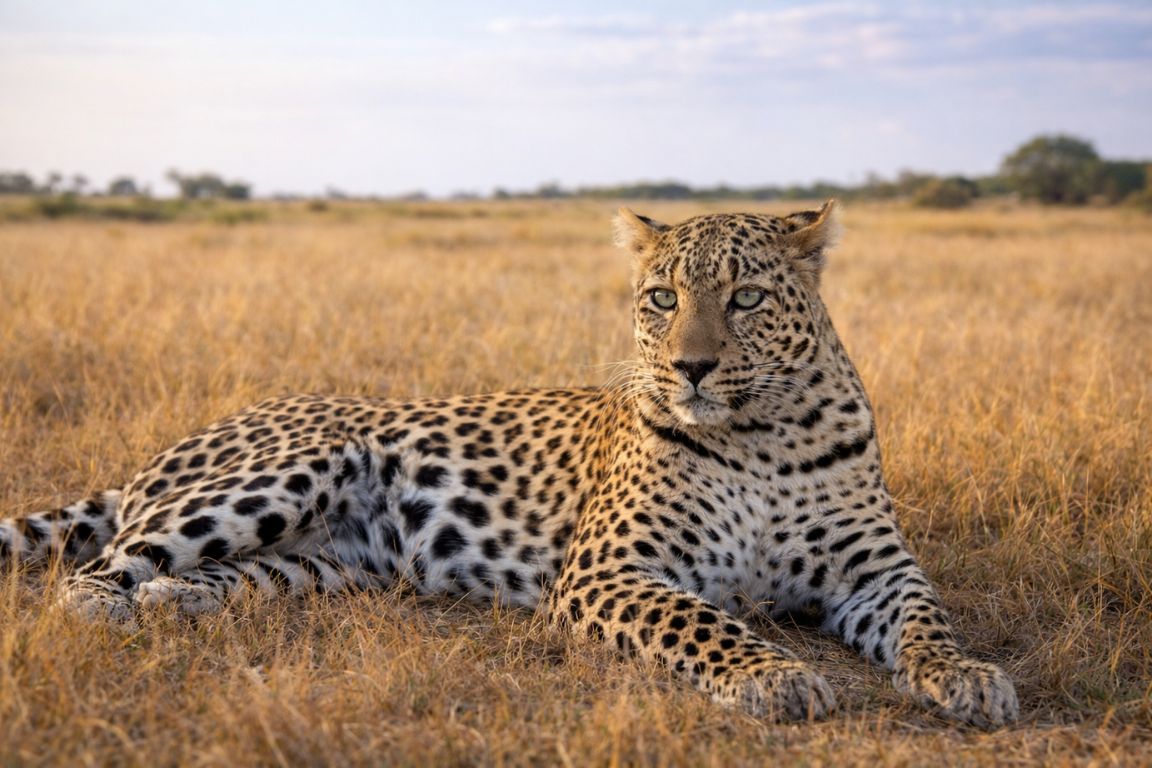 Dry season (May-October) delivers Chobe’s best game viewing as diminishing water sources concentrate wildlife along the permanent Chobe River. Elephants gather in massive herds of 100-300+ animals drinking and bathing at the river, while predators stake out predictable waterhole locations knowing prey must visit to drink. The sparse vegetation and dried grass improve visibility allowing easier animal spotting compared to thick wet season bush obscuring wildlife. Clear sunny weather with minimal rainfall creates comfortable safari conditions and reliable daily schedules without weather disruptions.
Temperatures during dry season range from cool May-June mornings at 50-60°F requiring light jackets, through pleasant July-August days at 70-80°F, to hot September-October afternoons reaching 95-105°F before rains arrive. The progression from cool to hot mirrors wildlife concentration intensity, with cooler months showing good wildlife while hottest September-October delivers spectacular animal densities as water stress peaks. River levels drop throughout dry season exposing sandbanks and beaches where animals gather, creating perfect photography opportunities with elephants, hippos, and crocodiles visible on open shorelines.
Wet season (November-April) transforms Chobe into lush green landscapes with dramatic thunderstorms, rejuvenated vegetation, and seasonal water pans scattered throughout the park reducing reliance on the Chobe River. Animals disperse widely accessing water anywhere rather than concentrating at the river, making game viewing more challenging with lower sighting frequencies and animals hidden in thick bush. Migratory birds arrive from November through March adding 100+ species to resident populations, creating exceptional birdwatching opportunities for enthusiasts prioritizing avian diversity over big game concentrations.
Fewer tourists visit during wet season due to challenging conditions, hot humid weather, and some lodges closing November-March for maintenance, creating quieter more private safari experiences for visitors willing to accept trade-offs. The green landscapes and dramatic cloud formations produce stunning photography conditions different from harsh dry season light, though frequent afternoon thunderstorms disrupt safari schedules. Budget travelers find excellent value with 30-50% price reductions compared to peak season, though reduced lodge options and higher chances of rain-canceled activities require flexibility.
Peak season (July-September) represents Chobe’s prime wildlife viewing window combining maximum animal concentrations, comfortable weather, and school holiday timing driving international tourism. Elephant herds reach staggering sizes with 200-400 animals visible simultaneously on good days, predator sightings increase as lions and leopards hunt concentrated prey, and boat cruises showcase hundreds of hippos and massive crocodiles along the river. The pleasant 70-85°F temperatures with zero rainfall create ideal safari conditions without excessive heat or weather disruptions.
The popularity drives prices 30-50% above shoulder season rates, with luxury lodges charging $600-1,000+ per person per night versus $400-700 during May-June. Booking must occur 8-12 months ahead for quality accommodation, particularly August when availability becomes extremely tight. Increased tourist numbers mean more vehicles at popular sightings and busier boat cruises, though Chobe’s vastness prevents the crowding experienced in smaller East African parks.
Shoulder seasons (May-June, October) offer Chobe’s best value combining excellent wildlife viewing with moderate pricing and manageable tourist numbers. May-June delivers fantastic game viewing as dry season progresses, with growing elephant concentrations, comfortable 65-80°F temperatures, and 20-30% lower pricing than peak July-September. The cooler weather suits visitors uncomfortable with heat, and the lighter tourist loads create more intimate safari experiences with fewer vehicles competing at sightings.
October represents the wildlife peak with maximum animal concentrations as water stress reaches its height before November rains, though temperatures soar to 95-105°F creating uncomfortable afternoon heat. The extreme heat keeps some tourists away despite exceptional wildlife, creating opportunities for heat-tolerant visitors to experience Chobe’s most spectacular animal densities at reduced rates. Both shoulder months require just 3-6 month advance booking versus 8-12 months for peak season, providing better availability and flexibility for planning.
Weather considerations throughout the year significantly impact safari experiences and comfort. Temperatures range from cool May-July mornings requiring light jackets to scorching September-October afternoons exceeding 100°F demanding sun protection and hydration strategies. Rainfall during wet season November-April averages 2-4 inches monthly with afternoon thunderstorms disrupting safari schedules, while dry season May-October sees minimal precipitation allowing reliable daily planning. River levels fluctuate dramatically from high February-April floods covering banks to low October-November exposing wide beaches and sandbanks concentrating animals.
Humidity stays manageable during dry season at 30-50% creating comfortable conditions, while wet season humidity spikes to 70-90% making hot days feel oppressive. Wind patterns affect boat cruises with calm mornings ideal for photography and choppy afternoons challenging for comfortable viewing. Understanding weather patterns helps set realistic expectations and pack appropriately for temperature extremes and possible rain.
Not all seasons are equal here. The best time to visit Chobe tours changes dramatically based on water levels and animal movements.
| Month | Wildlife Viewing | Weather | Crowds | Pricing | Pros | Cons |
|---|---|---|---|---|---|---|
| January | Fair – animals dispersed | Hot, rainy (85-95°F) | Very light | Low | Green landscapes, birds, low prices, few tourists | Animals scattered, thick vegetation, rain disruptions, some lodges closed |
| February | Fair – animals dispersed | Hot, rainy (85-95°F) | Very light | Low | Migratory birds peak, dramatic storms, excellent value | Difficult game viewing, high river levels, accessibility issues |
| March | Poor – worst month | Hot, very rainy (85-95°F) | Minimal | Very low | Cheapest rates, virtually empty | Peak rains, poor game viewing, many lodges closed, rough roads |
| April | Fair – improving | Warm, rainy (80-90°F) | Light | Low | Rains ending, green landscapes, good prices | Still challenging viewing, lingering rain, limited availability |
| May | Good – dry season starts | Pleasant (65-80°F) | Moderate | Mid-range | Comfortable weather, improving wildlife, good value, fewer crowds | Not peak viewing yet, cooler mornings need layers |
| June | Very good – animals concentrating | Pleasant (65-80°F) | Moderate | Mid-range | Excellent wildlife, comfortable temps, manageable crowds, good value | Slightly cooler, not maximum concentrations yet |
| July | Excellent – peak begins | Comfortable (70-85°F) | Heavy | High | Peak wildlife, perfect weather, school holidays suit families | High prices, must book 8-12 months ahead, crowded |
| August | Excellent – peak continues | Comfortable (70-85°F) | Very heavy | Highest | Maximum wildlife, ideal conditions, excellent predator activity | Highest prices, hardest to book, most crowded, 10-12 month booking needed |
| September | Excellent – wildlife maximum | Hot (80-100°F) | Heavy | High | Absolute peak wildlife concentrations, spectacular elephant herds | Very hot afternoons, high prices, crowded, harsh light |
| October | Excellent – wildlife peak | Very hot (85-105°F) | Moderate-heavy | Mid-high | Best wildlife of year, shoulder pricing starting, fewer crowds than Aug-Sep | Extremely hot, uncomfortable midday, pre-rain humidity |
| November | Good – rains starting | Hot, humid (85-95°F) | Light | Low | Animals still concentrated early month, rains bring relief, prices drop | Unpredictable weather, animals dispersing, some lodges closing |
| December | Fair – animals dispersing | Hot, rainy (85-95°F) | Light | Low-mid | Holiday availability, green landscapes, good birding | Challenging game viewing, rain interruptions, holiday price bump |
How Long to Stay in Chobe National Park
Recommended tours by season
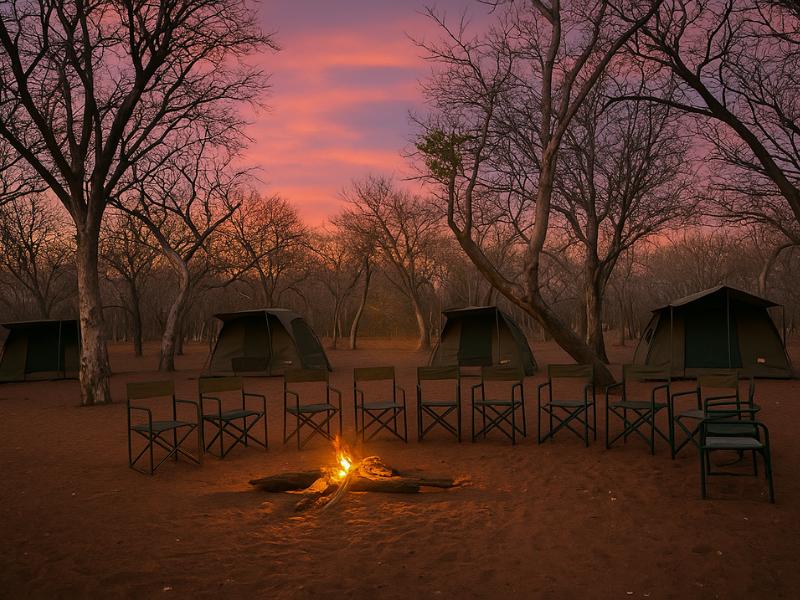
3-Day Chobe Safari Tour from Livingstone/Victoria Falls
Dry season (May–October). Three days from Livingstone or Victoria Falls, with park nights rather than a same-day return.
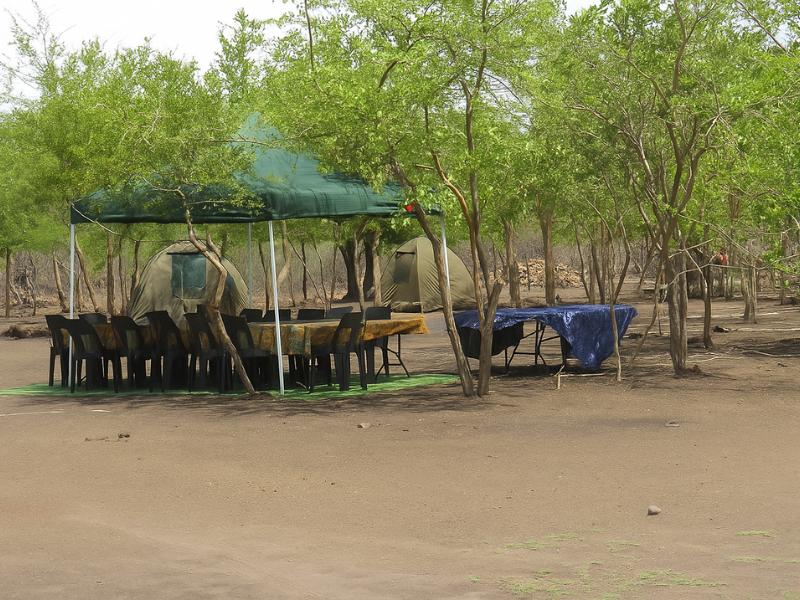
Overnight Chobe Safari with Camping
Shoulder months (May–June, October). One night in camp if you want more than a day trip and less than a lodge package.
Full-Day Chobe Safari via Kazungula Bridge
Wet season (November–April), or any month you only have one park day. From Victoria Falls via Kazungula, with lunch.
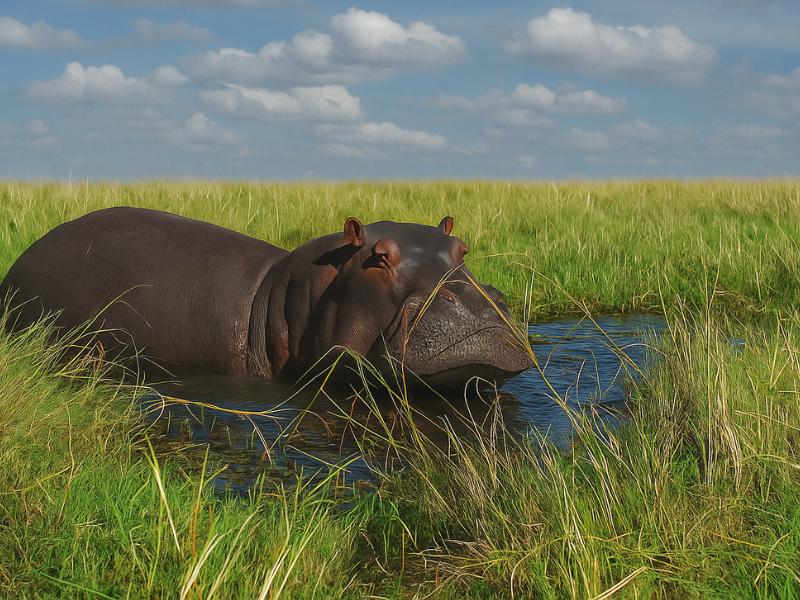
Full-Day Chobe Private Safari (Flexible Schedule)
Wet months, when an afternoon storm may force a change of plan. Private vehicle and a flexible schedule; two-person minimum.
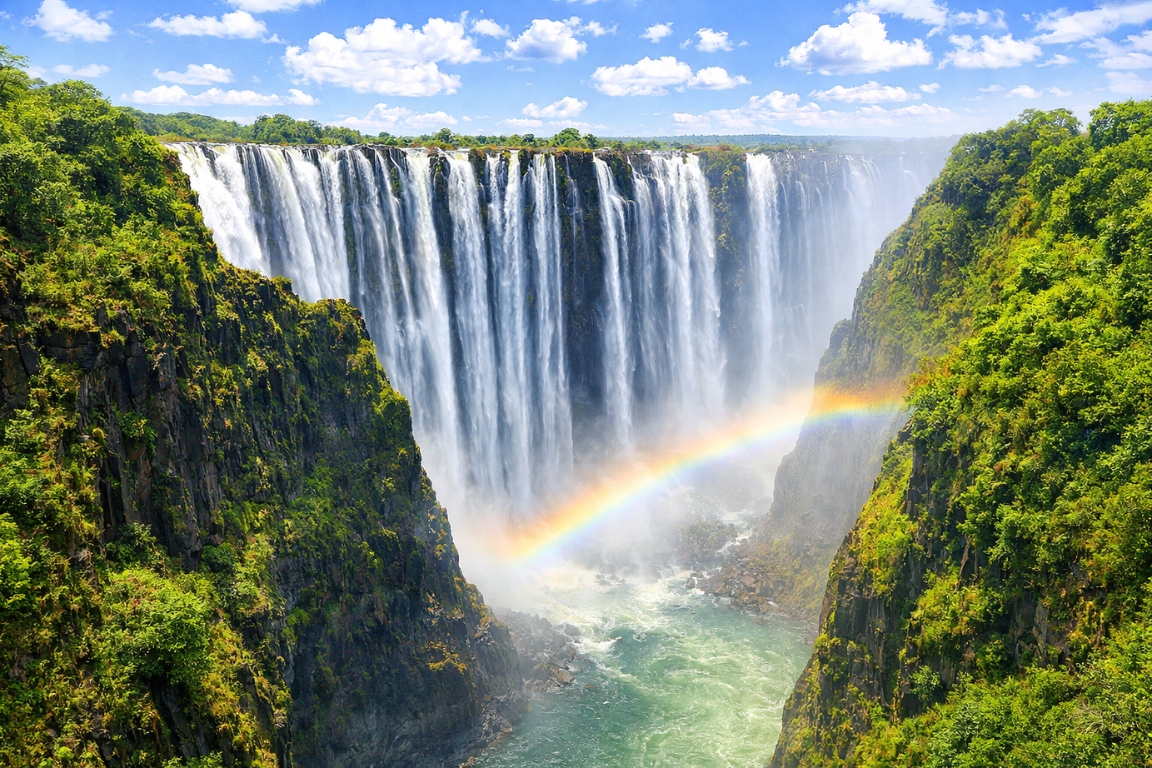
Minimum 2 days for adequate safari experience, optimal 3-4 days for most visitors balancing wildlife variety with time and budget constraints, and maximum 5-7 days for photography enthusiasts or serious wildlife watchers wanting comprehensive park coverage. One-day trips from Victoria Falls provide rushed introduction but miss Chobe’s full experience.
1-day safari from Victoria Falls involves 4-5am wake-up, 1.5 hour border crossing and transfer to Chobe, single game drive or boat cruise (occasionally both if rushed), lunch, then return journey arriving Victoria Falls by 6-7pm exhausted. The rushed schedule provides glimpse of Chobe’s wildlife with near-guaranteed elephant sightings and likely hippo encounters, but misses the magic of multiple safari experiences, sunrise/sunset game drives when animals are most active, and relaxed immersive time in the bush.
The single activity limitation means choosing between game drive seeing terrestrial wildlife or boat cruise experiencing river animals, missing Chobe’s unique combination that makes it special. Day trips cost $150-250 per person making them seemingly economical, but the per-activity cost and exhaustion factor make overnight stays far better value. Day trips suit travelers with extremely limited time, tight budgets preventing overnight accommodation, or wanting safari preview before committing to longer experiences.
Trying to maximize your time? This guide on multi-day vs day trip in Chobe tours helps you decide without overstaying or cutting it too short.
2-day safari provides adequate Chobe introduction with typical package including 1 night accommodation, 2 game drives (afternoon arrival day, morning departure day), and 2 boat cruises (morning day 2, afternoon either day). The structure covers essential Chobe experiences combining land and water safaris, seeing elephants, predators, plains game, hippos, crocodiles, and diverse birdlife across four different safari activities. Two days allows experiencing both morning and afternoon game viewing when animal activity peaks, rather than just midday heat when wildlife rests.
The overnight stay eliminates exhausting same-day returns, provides lodge/camp atmosphere enhancing safari experience, and costs $300-600 per person (budget to mid-range) including accommodation, activities, most meals, and park fees. Two days works for travelers combining Chobe with Victoria Falls or other destinations, visitors on tighter budgets limiting safari spending, and those uncertain whether they’ll enjoy game viewing enough to commit longer periods.
3-4 day safari represents optimal balance for most visitors providing comprehensive wildlife exposure without repetition or diminishing returns. Three days typically includes 3 game drives, 3 boat cruises, 2 nights accommodation, exploring different park sectors (riverfront, interior woodlands, floodplains), and relaxed pacing allowing rest between activities rather than constant rushing. Four days adds another full activity cycle letting you revisit areas at different times of day, increasing chances of seeing elusive species missed earlier, and providing flexibility if weather or luck disappoints on specific outings.
The extended time significantly improves wildlife diversity with increased probability of seeing leopards, wild dogs, and nocturnal species through multiple game drives. The relaxed atmosphere allows enjoying lodge amenities, processing experiences between activities, and not feeling rushed every moment. Costs range $600-1,200 for 3 days and $800-1,600 for 4 days (mid-range pricing) including everything, with per-day rates declining as duration increases making longer stays better value than multiple short trips.
5-7 day safari provides comprehensive Chobe coverage for photography enthusiasts wanting multiple opportunities with optimal light conditions, serious wildlife watchers seeking rare species requiring patience and multiple attempts, and visitors making Chobe their primary destination rather than add-on to Victoria Falls. Extended stays allow exploring remote Savuti and Linyanti areas beyond standard riverfront circuits, experiencing full range of Chobe’s ecosystems from marsh to mopane woodland, and developing relationships with specific animal groups returning to favorite spots learning their patterns.
The photography advantages include multiple golden hour sessions capturing elephants in dramatic lighting, patience waiting for leopard or wild dog sightings that might require several days, and comprehensive coverage of birds, landscapes, and behavioral moments impossible to capture during short visits. Diminishing returns begin around day 5-6 for casual visitors as wildlife species sightings plateau, though dedicated enthusiasts continue finding value through behavior observation and rare species pursuit. Costs reach $1,600-4,000 for week-long safaris depending on accommodation level.
What you’ll see with different durations sets realistic expectations preventing disappointment. One-day trips virtually guarantee elephants (99% probability), hippos (95%), crocodiles (90%), common antelope (impala, kudu, waterbuck 95%), and buffalo (70%), but rarely deliver lions (15%), leopards (5%), or wild dogs (<1%). Two-day safaris increase lion probability to 40-50%, leopard to 10-15%, and provide better diversity of antelope, giraffe, and predator species through multiple varied activities.
Three to four day safaris deliver 70-80% lion sighting probability, 25-35% leopard chances, comprehensive plains game and elephant experiences, excellent bird diversity (100+ species), and likely cheetah or hyena encounters. Five to seven day safaris push lion probability to 90%+, leopard to 50-60%, increase rare species chances (wild dogs, serval, caracal to 10-20%), and allow photographing specific behaviors rather than just sighting animals. Setting duration based on realistic wildlife expectations prevents either leaving too early missing key species or staying too long after seeing everything Chobe offers.
We’ve got a full analysis on how many days you need in Chobe tours based on different safari styles and what you want to experience.
| Duration | Activities Included | Typical Cost (Mid-Range) | Wildlife Variety | Key Species Probability | Best For |
|---|---|---|---|---|---|
| 1 Day | 1 game drive OR 1 boat cruise (occasionally both rushed) | $150-250 per person | Limited – riverfront only | Elephants 99%, hippos 95%, lions 15%, leopards 5% | Extremely limited time, tight budgets, safari preview, Victoria Falls day trip |
| 2 Days | 2 game drives, 2 boat cruises, 1 night accommodation | $300-600 per person | Good – land and water combo | Elephants 99%, hippos 95%, lions 40-50%, leopards 10-15% | First-time safari, combining with Victoria Falls, budget constraints, adequate introduction |
| 3 Days | 3 game drives, 3 boat cruises, 2 nights accommodation | $600-900 per person | Very good – varied sectors | Elephants 100%, hippos 98%, lions 70%, leopards 25-30% | Optimal for most visitors, good wildlife variety, relaxed pace, balanced with other destinations |
| 4 Days | 4 game drives, 4 boat cruises, 3 nights accommodation | $800-1,200 per person | Excellent – comprehensive coverage | Elephants 100%, hippos 99%, lions 80%, leopards 35-40% | Serious wildlife interest, photography focus, time available, thorough Chobe experience |
| 5-7 Days | 6-10+ activities, 4-6 nights accommodation, optional Savuti/Linyanti | $1,600-4,000+ per person | Comprehensive – entire park | Elephants 100%, hippos 100%, lions 90%+, leopards 50-60%, wild dogs 10-20% | Photography enthusiasts, rare species seekers, Chobe as primary destination, unlimited time |
Types of Chobe Safari Activities
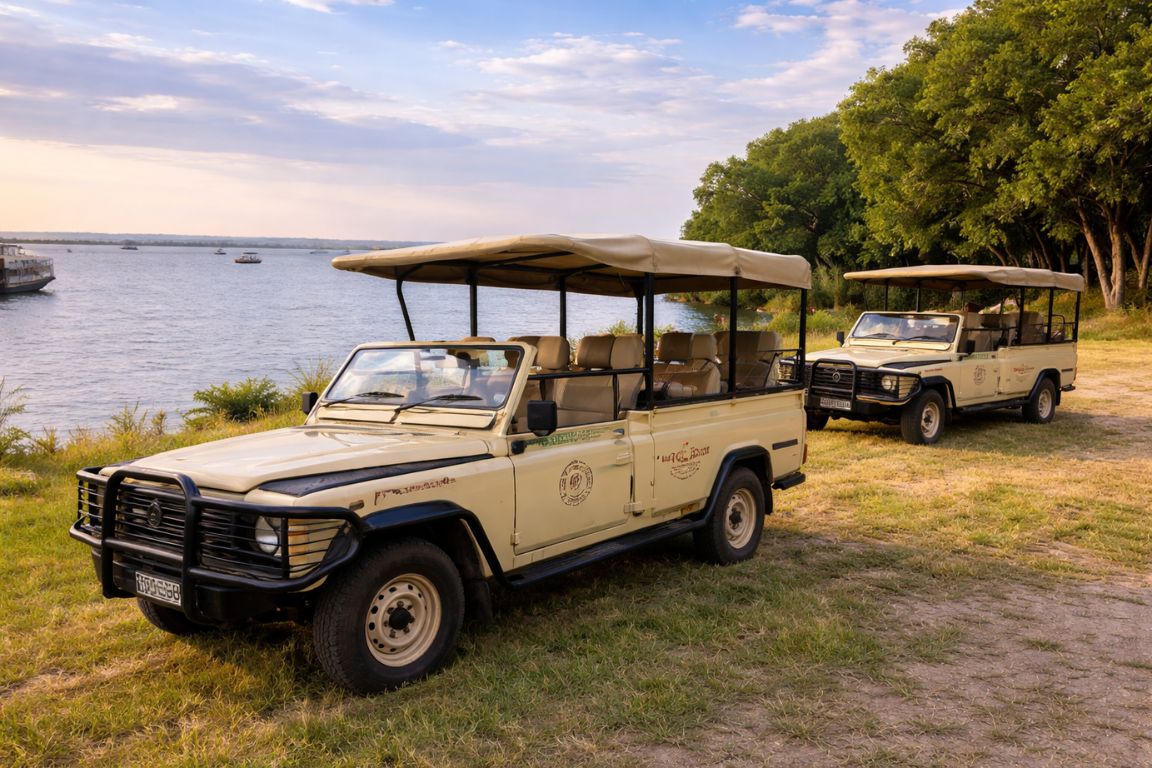 Morning game drives departing 6-6:30am capitalize on peak wildlife activity as animals emerge from nighttime rest to feed, drink, and move during cool dawn hours. The 6-9am window delivers the day’s best predator sightings with lions actively hunting or finishing overnight kills, leopards descending from trees where they slept, and wild dogs setting out on morning hunts. Elephants move to the river for morning drinks, plains game graze actively before midday heat, and bird activity peaks as species forage and call in early light.
Cool temperatures ranging 50-70°F depending on season make early morning the most comfortable safari time, particularly during hot September-October when midday temperatures become oppressive. The soft golden morning light creates ideal photography conditions with warm tones, long shadows, and animals backlit beautifully. Most lodges wake guests 5:30-6am with coffee and light snacks, departing lodge by 6-6:30am for 3-hour game drives returning by 9:30-10am for full breakfast.
Afternoon game drives begin 3-3:30pm as temperatures cool from midday peaks, running until 6-6:30pm sunset when park regulations require exiting. Predator activity increases as lions wake from afternoon rest beginning evening hunts, leopards emerge from daytime hiding spots, and hyenas become active preparing for nighttime scavenging. Elephants return to the river for evening drinking sessions, often gathering in massive herds creating spectacular sunset silhouettes.
The afternoon drive timing allows sleeping late, enjoying leisurely lodge lunches, and resting during hot midday hours when animals are inactive and viewing poor. Sunset viewing provides dramatic photography with animals silhouetted against colorful skies, though rapidly fading light challenges photography after sunset requiring high ISO settings. Afternoon drives typically feel less productive than morning drives for predator action but deliver beautiful atmospheric conditions and strong elephant viewing at the river.
If you’ve never done a game drive before, here’s the game drive experience explained in Chobe tours so you show up prepared and know what you’re getting into.
Boat cruises along the Chobe River represent the park’s most unique safari experience unavailable in landlocked parks, providing water-based perspectives seeing wildlife from completely different angles than game drives. Close hippo encounters with pods of 20-50 animals lounging in shallows, yawning to display massive teeth, and territorial males roaring warnings create thrilling moments impossible on land. Massive Nile crocodiles sunning on banks, some exceeding 15 feet length, lie motionless until sliding into water when boats approach too closely.
Elephant herds swimming across the river channels provide unforgettable sightings with adults walking on river bottom using trunks as snorkels while calves paddle frantically beside mothers. Water birds including African fish eagles, kingfishers, herons, storks, and cormorants perch along banks and hunt in shallows, creating exceptional birding opportunities. The stable boat platform enables better photography than bouncing game drive vehicles, and quiet electric motors allow approaching animals closer than rumbling 4x4s permit.
Trying to choose? This guide on boat safari vs game drive in Chobe tours helps you decide based on wildlife preferences, photography goals, and time of day.
Walking safaris offer intimate ground-level wildlife encounters learning tracking skills, studying smaller species ignored from vehicles, and experiencing bush atmosphere impossible behind vehicle windows. Availability stays extremely limited in Chobe with only specialized operators in remote areas like Linyanti offering walking options, and most riverfront lodges not providing walking safaris due to dangerous game densities. Armed guides lead small groups (maximum 6-8 people) on 2-3 hour morning or afternoon walks focusing on tracking, ecology, and detailed observation rather than covering distance.
The experience emphasizes understanding ecosystems through examining tracks, dung, vegetation, and small creatures rather than seeking big game encounters, though elephants, buffalo, and predators may be observed from safe distances. Walking safari costs typically add $50-100 per person above standard game drive rates, with limited availability requiring specific booking requests when planning trips.
Photography safaris utilize specialized vehicles with lowered sides for unobstructed shooting, beanbags for camera stabilization, maximum 4-6 passengers ensuring window seats for everyone, and expert guides understanding photography needs including optimal positioning and lighting. The vehicles stay longer at sightings allowing photographers to capture multiple compositions and wait for behavioral moments rather than quick viewing then moving on. Guides position vehicles considering sun angle, background elements, and animal eye-level perspectives maximizing photographic opportunities.
Photography-focused tours typically run longer durations (4-5 hours) than standard 3-hour drives, revisit productive areas multiple times seeking optimal light, and coordinate timing around golden hour periods. Costs run 50-100% premium over standard game drives at $100-150 per person per activity, with some operators offering dedicated multi-day photography packages with specialized guides. The investment suits serious photographers prioritizing image quality over general game viewing.
Full-day safaris spend 8-10 hours in the park departing sunrise and returning sunset, exploring remote areas inaccessible during standard 3-hour drives and allowing relaxed pacing without time pressure. Picnic lunches at scenic spots along the river or under shady trees provide midday breaks while staying in wildlife areas rather than returning to lodge. The extended time enables visiting Chobe’s interior reaching Savuti marsh area or exploring deep mopane woodlands where different species concentrate away from riverfront tourist concentrations.
Full-day safaris deliver significantly higher wildlife variety seeing both morning and afternoon activity peaks during single outing, though midday hours between 11am-3pm show minimal animal activity with most species resting in shade. Costs range $150-250 per person including lunch, representing good value compared to separate morning and afternoon drives totaling similar amounts. Full-day options suit photographers wanting maximum field time, enthusiasts prioritizing wildlife over lodge amenities, and visitors maximizing limited Chobe days.
| Activity Type | Timing | Duration | Wildlife Focus | Cost (Per Person) | Best For |
|---|---|---|---|---|---|
| Morning Game Drive | 6-9am | 3 hours | Predators, active animals, elephant herds | $40-80 | Peak wildlife activity, predator viewing, comfortable temperatures, photography in golden light |
| Afternoon Game Drive | 3-6:30pm | 3-3.5 hours | Evening predator activity, elephant herds, sunset viewing | $40-80 | Sunset photography, sleeping late, elephants at river, atmospheric conditions |
| Boat Cruise | Morning (6-9am) or Afternoon (3-6pm) | 2-3 hours | Hippos, crocodiles, swimming elephants, water birds | $40-70 | Unique river perspective, close animal encounters, birding, stable photography platform |
| Walking Safari | Morning (6-9am) or Afternoon (3-5pm) | 2-3 hours | Tracking, ecology, small species, intimate encounters | $90-150 | Bush experience, detailed learning, tracking skills, ground-level perspective |
| Photography Safari | Morning or Afternoon (longer hours) | 4-5 hours | Specialized photography opportunities, behavioral moments | $100-150 | Serious photographers, optimal positioning, extended sighting time, dedicated guides |
| Full-Day Safari | Sunrise to sunset (6am-6:30pm) | 8-10 hours | Comprehensive coverage, remote areas, morning and afternoon peaks | $150-250 | Maximum wildlife variety, remote area access, photography enthusiasts, value seekers |
Where to Stay: Chobe Accommodation Options
Stay in Kasane town for budget-friendly accessible lodging with prices ranging $50-150 per person per night, located 5-15km from Chobe National Park gates requiring short drives to reach morning game drive departures. Kasane offers diverse accommodation from backpacker hostels through mid-range lodges, with restaurants, shops, banks, and travel services within walking distance providing self-sufficiency without relying entirely on lodge facilities. The town location works well for self-drive visitors, travelers on tighter budgets prioritizing wildlife activities over luxury accommodation, and those wanting evening flexibility exploring local restaurants rather than eating exclusively at lodges.
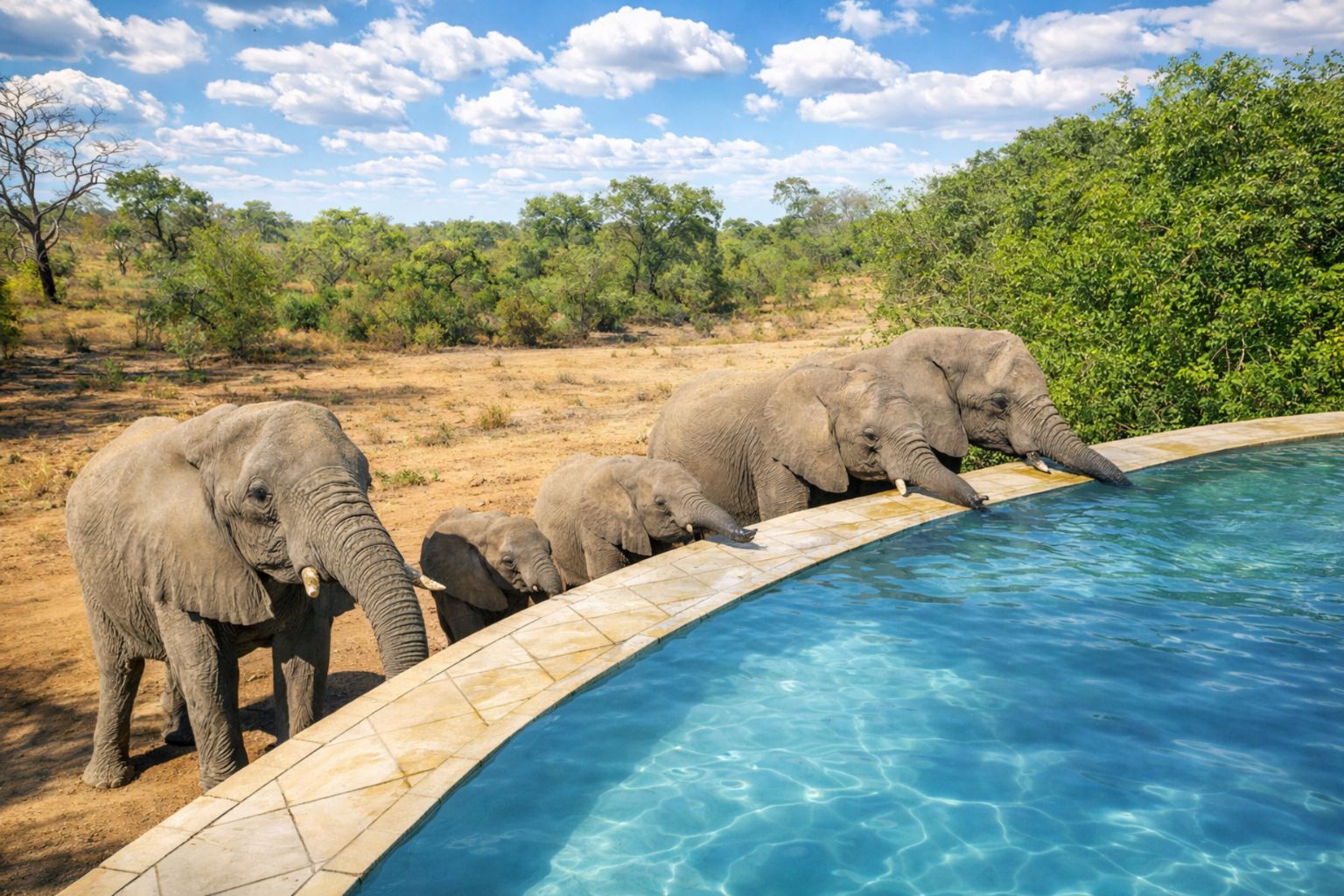
Stay inside the park at Chobe Riverfront lodges for premium immersive experiences with prices $200-600+ per person per night, providing direct game viewing from rooms and lodge grounds as elephants, buffalo, and antelope pass through properties. The in-park location eliminates morning transfer time allowing later wake-ups while still reaching game drives punctually, and enables spontaneous wildlife viewing from decks between scheduled activities. Inside-park stays deliver authentic safari atmosphere with animal sounds at night, occasional elephant encounters at lodges, and exclusive feeling worth premium pricing for travelers prioritizing immersive experiences over budget constraints.
Kasane town lodges range from basic clean accommodation at $50-80 per person to comfortable mid-range properties at $100-150 per person providing good beds, private bathrooms, air conditioning, swimming pools, and breakfast. Properties like Chobe Safari Lodge, Thebe River Safaris, and similar establishments offer solid value with professional service, pleasant grounds, and easy access to activity operators who collect guests for game drives and boat cruises. Town lodges typically operate on room-only or bed-and-breakfast basis requiring booking safari activities separately through tour operators, giving flexibility choosing preferred activity providers rather than being locked into single lodge’s offerings.
The 5-15km distance from park gates means 5:30-6am pickups for morning game drives departing 6:30am, requiring earlier wake-ups than in-park guests. Evening freedom allows exploring Kasane’s restaurants, bars, and local life providing cultural experiences beyond pure safari focus. Town lodges suit budget-conscious travelers, self-drive visitors wanting accommodation flexibility, and those comfortable with basic comfort over luxury immersion.
Chobe Riverfront lodges inside the park include properties like Chobe Game Lodge, Chobe Safari Lodge Riverfront, and similar establishments offering direct Chobe River frontage with elephants visible from rooms, restaurants, and lodge decks throughout the day. Prices range $250-600 per person per night all-inclusive covering accommodation, all meals, scheduled game drives, boat cruises, and park fees in single package. The riverfront positions provide unmatched wildlife viewing convenience with guests watching elephants swim, hippos surface, and crocodiles sun without leaving lodge grounds.
All-inclusive pricing simplifies budgeting eliminating separate activity bookings and meal expenses, though reduces flexibility choosing activity timing or providers. The premium pricing reflects prime locations, comprehensive service, and immersive atmosphere worth the investment for travelers wanting seamless safari experiences without managing logistics. Riverfront lodges require 6-12 month advance booking during peak season as limited properties at these exclusive locations fill quickly.
Safari camps provide authentic tented accommodation ranging from simple budget camps at $80-150 per person to luxury tented lodges at $300-500+ per person, combining canvas walls with varying comfort levels from basic beds to full en-suite bathrooms and premium furnishings. The tented style creates traditional safari atmosphere with sounds of wildlife audible through canvas, intimate camp settings with 10-20 guests, and bush ambiance impossible in solid-walled hotels. Camps typically locate inside park or just outside boundaries providing quick game drive access.
Luxury tented camps like those in the Linyanti area rival top lodges for service and amenities while maintaining authentic safari feel through canvas construction and bush settings. Budget safari camps offer basic tented accommodation with shared facilities, perfect for adventurous travelers prioritizing wildlife over comfort. The tented format appeals to travelers wanting traditional safari experiences, those seeking smaller more intimate properties, and visitors appreciating authentic bush atmosphere over hotel-style facilities.
Luxury lodges in exclusive concessions near Chobe charge $500-1,200+ per person per night fully inclusive covering accommodation, all meals and premium drinks, private game drives, boat cruises, walking safaris where available, park fees, and comprehensive service. Properties in areas like Linyanti, Savuti, and exclusive riverfront locations provide ultimate safari experiences with expert guides, gourmet cuisine, premium wines and spirits, spa services, and exceptional game viewing in low-density tourist areas.
The luxury category delivers personalized service with high staff-to-guest ratios, exclusive game viewing without vehicle crowding, specialized activities like night drives and walking safaris not available in standard areas, and pristine wilderness settings. Luxury lodges suit honeymoons, milestone celebrations, travelers for whom money is secondary to experience quality, and visitors wanting absolutely best safari Chobe offers regardless of cost.
Budget options include backpacker lodges at $15-40 per person in dormitories or basic private rooms, camping at designated sites for $10-20 per person, and self-catering lodges at $40-80 per room allowing cooking own meals saving restaurant expenses. Kasane has several backpacker properties providing clean basic accommodation, communal kitchens, social atmosphere, and assistance booking affordable safari activities. Camping options exist both in Kasane and at basic park campsites for travelers with equipment willing to rough it.
Self-catering apartments and chalets in Kasane allow grocery shopping and meal preparation, dramatically reducing costs compared to restaurant dining for every meal. Budget accommodation works well for young travelers, extended trips where costs accumulate quickly, self-drive visitors with camping gear, and anyone prioritizing wildlife activities over accommodation comfort.
| Accommodation Type | Location | Price Range (Per Person/Night) | Style | Typical Inclusions | Best For |
|---|---|---|---|---|---|
| Kasane Town Lodges | Kasane town, 5-15km from park | $50-150 | Hotel/lodge rooms | Room, breakfast (usually), WiFi | Budget-conscious, self-drive, restaurant flexibility, basic comfort adequate |
| Chobe Riverfront Lodges | Inside park, river frontage | $250-600 | Premium lodge rooms | All meals, game drives, boat cruises, park fees, drinks (varies) | Immersive experience, wildlife from lodge, all-inclusive simplicity, seamless safari |
| Safari Camps – Budget | Near park boundaries | $80-150 | Basic tented accommodation | Varies – some meals included, basic activities | Authentic safari feel, adventurous travelers, budget with atmosphere |
| Safari Camps – Luxury | Inside park/exclusive areas | $300-500+ | Premium tented suites | All-inclusive – meals, premium drinks, activities, park fees | Traditional safari atmosphere with luxury comfort, intimate settings |
| Luxury Lodges | Exclusive concessions (Linyanti, Savuti, prime riverfront) | $500-1,200+ | Ultimate luxury suites/villas | Fully inclusive – gourmet meals, premium drinks, private activities, spa, specialized safaris | Best-of-best experience, honeymoons, special occasions, exclusive game viewing |
| Backpacker Lodges | Kasane town | $15-40 | Dormitories or basic private rooms | Bed, shared bathrooms, communal kitchen | Budget travelers, young adventurers, social atmosphere, basic needs only |
| Camping | Kasane or park campsites | $10-20 | Tent sites | Campsite only, some with ablution facilities | Ultra-budget, self-drive with equipment, camping enthusiasts, roughing it |
| Self-Catering | Kasane town | $40-80 per room | Apartments/chalets with kitchens | Accommodation and kitchen facilities | Families, extended stays, cooking own meals, budget management |
Chobe Safari Costs and Budgeting
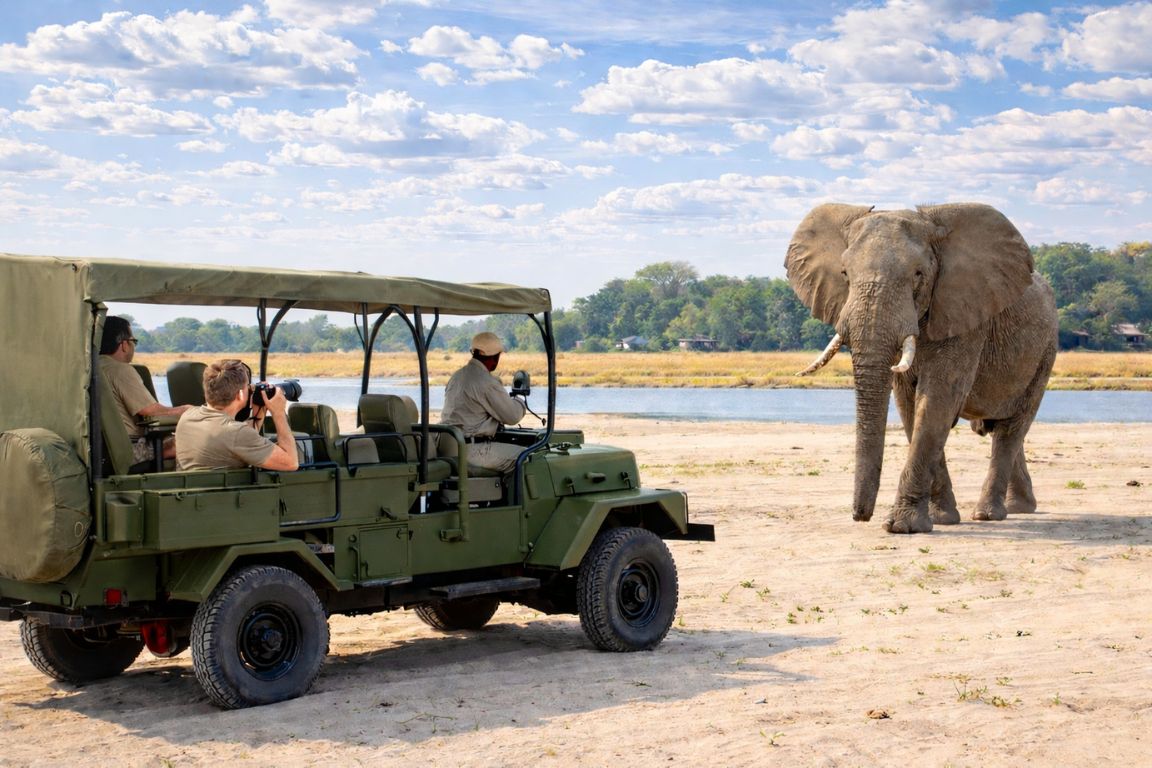 What’s included in typical safari packages covers accommodation (hotel/lodge/camp), scheduled game drives (usually 1-2 per day), boat cruises (usually 1-2 per package), most meals (breakfast always, lunch and dinner depend on package level), park entry fees ($50-70 per person), and transfers between Kasane and lodges. Mid-range and luxury packages typically include all meals and scheduled activities in single all-inclusive price, simplifying budgeting and eliminating surprise costs beyond gratuities.
Budget packages often include just accommodation and breakfast requiring separate payment for game drives ($40-80 each), boat cruises ($40-70 each), lunches and dinners ($15-30 per meal), creating itemized expenses adding up quickly. Understanding inclusion levels prevents budget shock when “cheap” accommodation requires paying separately for every activity and meal ultimately costing more than mid-range packages bundling everything together.
What’s extra beyond package prices includes alcoholic beverages and premium drinks at most mid-range properties (luxury lodges often include alcohol), staff gratuities typically $10-20 per guest per day distributed among guides and lodge staff, Victoria Falls add-ons like helicopter flights ($150-180), bungee jumping ($160), or guided falls tours ($40-80), international and domestic flights to/from Kasane or Victoria Falls, and visa fees for Botswana ($30-50 depending on nationality) and Zimbabwe/Zambia if visiting Victoria Falls.
Personal expenses like souvenirs, laundry services, spa treatments at luxury lodges, and additional activities beyond standard packages add variable amounts. Travel insurance (highly recommended) costs $50-150 depending on coverage and trip length. Shopping, snacks, and miscellaneous spending in Kasane adds $20-50 for most visitors. The extra costs typically add 20-30% to base package prices requiring buffer in budget planning.
Package deals bundling multiple days provide per-day savings with 3-day packages costing 10-15% less per day than booking three separate 1-day trips, and 4-5 day packages offering 15-20% per-day discounts. Combination tours pairing Chobe with Victoria Falls deliver value through coordinated transfers, combined park fees, and bulk accommodation booking. Group discounts for 6+ people traveling together reduce per-person costs 10-20% as tour operators spread fixed costs across more passengers.
Early booking discounts of 5-15% apply when reserving 9-12+ months ahead, rewarding advance planners with lower rates than last-minute bookers pay. Last-minute deals occasionally appear 2-4 weeks before travel if operators have unsold inventory, though this gamble risks no availability or paying premium panic-booking rates. Longer stays negotiated directly with lodges sometimes yield better rates than standard published pricing, worth requesting when booking 5+ nights.
Budget breakdown for typical 3-day mid-range Chobe safari totals $900-1,200 per person including accommodation at riverfront lodge or quality Kasane property ($250-400 total for 2 nights), game drives and boat cruises ($240-320 for 3 drives and 3 cruises if booked separately, included in packages), meals ($120-180 for 6 meals if separate, included in packages), transfers between Kasane airport/town and lodges ($40-80), and park entry fees ($150-210 for 3 days at $50-70 daily).
Budget travelers using Kasane backpacker lodges ($80-120 for 2 nights), shared group tours ($200-280 for activities), self-catered meals ($40-60), and walking/local transport ($10-20) achieve 3-day trips for $330-480 total. Luxury 3-day safaris at exclusive lodges run $1,800-3,600 per person fully inclusive covering premium accommodation, private activities, gourmet meals, top-shelf drinks, and exceptional service. Understanding component costs helps evaluate package values and identify areas for budget adjustments.
Peak vs shoulder season pricing shows dramatic 20-40% differences between July-September peak and May-June or October shoulder periods. Mid-range riverfront lodges charging $300-400 per person per night in August drop to $200-280 in May-June for identical accommodation and inclusions. Activity prices stay relatively stable year-round, but accommodation premiums drive overall cost differences making shoulder season dramatically more affordable.
August specifically commands highest rates being peak wildlife and school holiday convergence, with some properties adding 10-15% surcharges above standard peak season pricing. Wet season November-April sees 40-60% reductions from peak rates as tourism drops and conditions deteriorate, creating exceptional value for travelers accepting trade-offs. The seasonal pricing differences mean identical 4-day safaris cost $1,600 in August versus $1,000 in June or $700 in February for budget-conscious travelers willing to adjust timing.
Money-saving strategies start with shoulder season travel in May-June or October delivering 80-90% of peak season wildlife quality at 25-35% lower costs, the single biggest savings opportunity. Longer stays negotiate better per-day rates with 5-7 day trips costing significantly less daily than 2-3 day visits. Group bookings for families or friends traveling together achieve 10-20% discounts through shared vehicles, accommodation rate reductions, and group activity pricing.
Kasane town accommodation versus in-park lodges saves $100-200+ per person per night while maintaining park access, sacrificing immersive atmosphere for substantial cost savings. Booking game drives and boat cruises separately through local operators rather than lodge packages sometimes saves 10-20% if you’re comparing equivalent quality, though convenience suffers. Self-catering accommodation with grocery shopping and meal preparation cuts food costs 60-70% versus restaurant dining for every meal, meaningful savings on extended trips.
We’ve got safari costs explained in Chobe tours based on what’s included, what’s extra, and where operators typically markup prices.
| Budget Tier | Daily Cost Per Person | Accommodation Type | Activities Included | Meals Included | Typical Experience |
|---|---|---|---|---|---|
| Budget | $100-200 | Backpacker lodge/camping in Kasane, basic rooms | Shared group game drives and boat cruises (1-2 activities daily) | Breakfast only, self-cater or budget restaurants | Basic comfort, shared experiences, wildlife focus over luxury, independent travel |
| Mid-Range | $200-400 | Kasane mid-range lodge or entry-level riverfront property | Standard game drives and boat cruises (2 activities daily) | Breakfast and dinner (some full-board) | Comfortable accommodation, good wildlife viewing, mix independent/guided, solid value |
| Upper Mid-Range | $400-600 | Quality riverfront lodge or safari camp, all-inclusive | All scheduled activities (2-3 daily), some private options | All meals, some drinks included | Premium comfort, excellent game viewing, seamless experience, most needs covered |
| Luxury | $600-1,000+ | Exclusive lodges in Linyanti/Savuti/prime riverfront | Private/semi-private activities, specialized safaris, unlimited activities | Gourmet meals, premium drinks, all-inclusive | Ultimate comfort, exceptional guides, exclusive areas, personalized service, comprehensive |
What Wildlife to Expect in Chobe
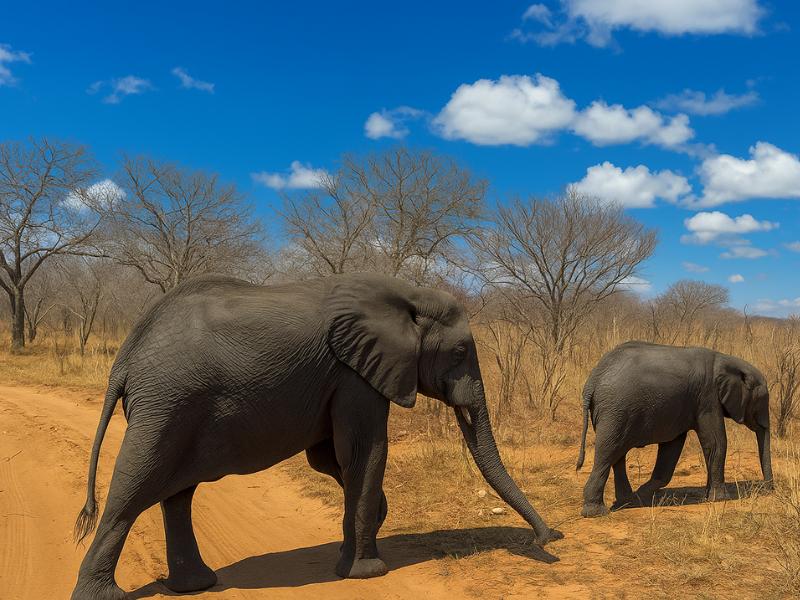
Elephant herds numbering 50,000+ individuals concentrate in Chobe National Park creating the world’s largest elephant population density, with dry season gatherings of 100-300 animals at the river producing spectacular viewing unavailable anywhere else in Africa. The massive population results from Chobe’s permanent water supply through the Chobe River surviving droughts that devastate other areas, protection from poaching through effective anti-poaching enforcement, and trans-boundary movement corridors connecting Chobe to other Botswana parks and neighboring countries allowing elephants to range widely while concentrating seasonally at Chobe’s abundant resources.
Best viewing times occur late afternoon 4-6pm when elephants arrive at the river for evening drinking sessions, creating dramatic scenes with hundreds of elephants drinking, bathing, and playing in water while calves frolic under watchful mothers. Morning game drives around 7-9am encounter elephants heading toward or already at the river after nighttime feeding inland. Boat cruises excel for elephant viewing as animals come right to water’s edge, wade into shallows, and occasionally swim across channels providing intimate encounters impossible during game drives keeping safe distances from unpredictable mega-herbivores.
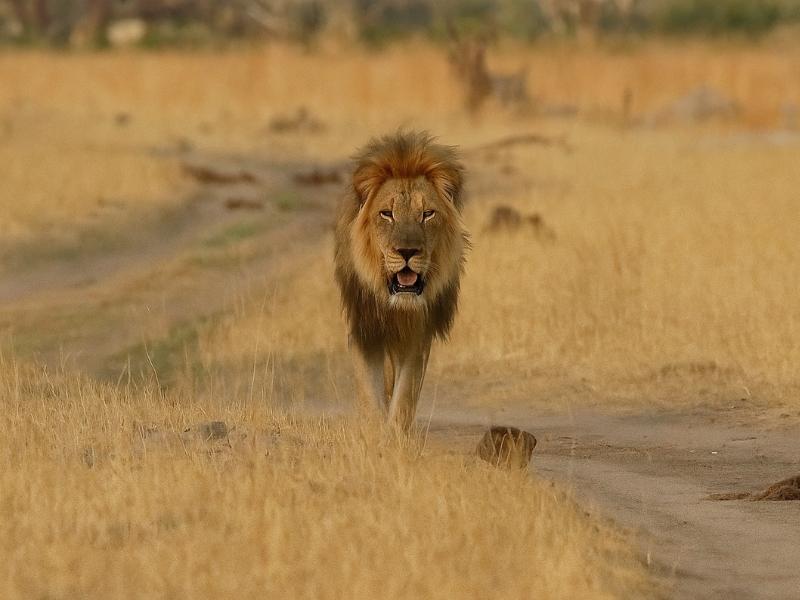
Big cats appear regularly in Chobe though less reliably than elephants, with lions sighted on 40-60% of dry season game drives during multi-day safaris. Pride sizes range from 5-15 individuals, with largest concentrations along the riverfront and Savuti areas where prey densities support bigger groups. Morning game drives deliver best lion sighting odds when cats remain active from overnight hunting, often found resting near kills or drinking at river before midday heat drives them into shade. Afternoon drives sometimes encounter lions beginning evening hunts or waking from daytime rest.
Leopards prove more elusive with 15-30% sighting probability on multi-day safaris, typically spotted resting in trees during midday heat or hunting along riverbank thickets dawn and dusk. The solitary cats blend into vegetation expertly, requiring sharp-eyed guides and considerable luck for encounters. Cheetahs appear rarely in Chobe (5-10% multi-day safari probability) preferring open grasslands found more extensively in parks like Serengeti or Masai Mara, though occasional sightings occur on Chobe’s floodplains.
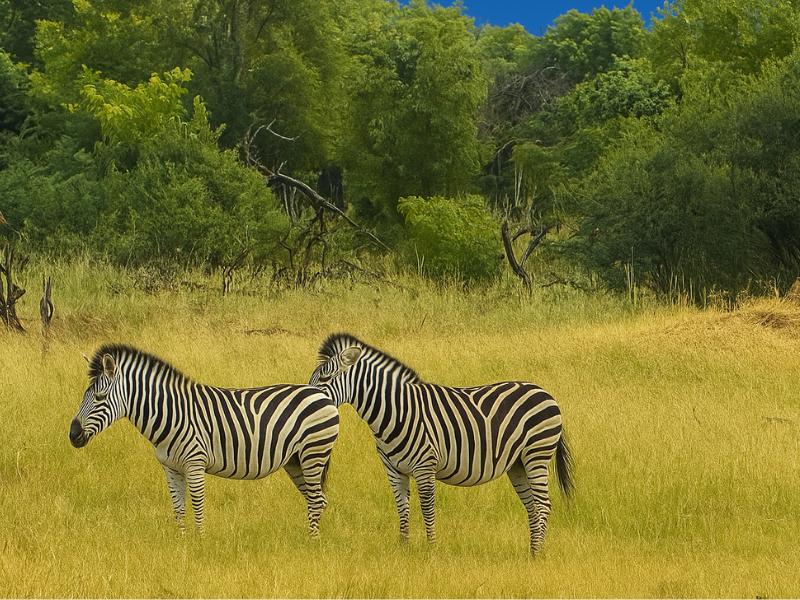
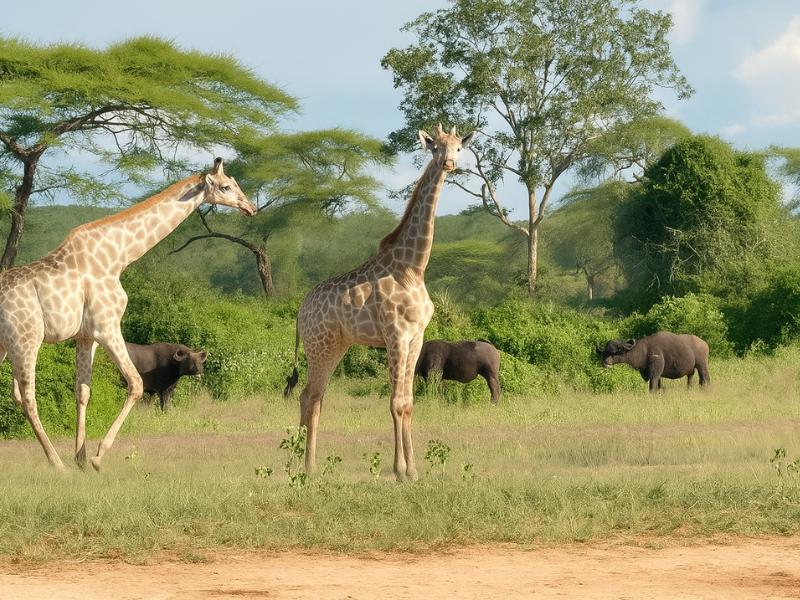
Other mammals provide diverse game viewing beyond elephants and big cats. Buffalo herds numbering hundreds to thousands of individuals graze the riverfront and floodplains with 80-90% sighting probability during dry season. Giraffe browse acacia trees in park interior with 60-70% sighting odds, their height making them visible from great distances across flat terrain. Zebra, though less abundant than other southern African parks, appear in small groups with 40-50% encounter likelihood.
Antelope species provide constant viewing with impala being most abundant (99% sighting guarantee), kudu’s impressive spiral horns adorning bulls along woodland edges (80% probability), waterbuck favoring riverfront areas (70%), sable and roan antelope in mopane woodlands (30-40%), and rare puku antelope specializing in floodplain habitats (20-30%). Wild dogs, Africa’s most endangered large carnivore, appear occasionally (10-15% multi-day safari odds) in packs of 8-15 individuals hunting cooperatively across the park.
Birdlife exceeds 450 recorded species making Chobe exceptional birding destination rivaling dedicated birding hotspots. Resident species include African fish eagles with distinctive calls echoing across the river, kingfishers (pied, malachite, giant) hunting from riverside perches, herons and egrets (multiple species) wading shallows, African skimmers flying low over water surface, and hornbills (southern yellow-billed, African grey) calling raucously from trees. Raptors like bateleur eagles, martial eagles, and various vulture species soar overhead or perch prominently.
Migratory birds arriving November-April add 100+ species to year-round residents, including carmine bee-eaters nesting in riverbank colonies August-November (spectacular photography), woodland kingfishers announcing wet season arrival with loud calls, various cuckoo species, and Palearctic migrants escaping European winters. Serious birders easily spot 100-150 species during 3-4 day safaris combining game drives and boat cruises accessing different habitats from mopane woodland through riverine forest to open floodplains.
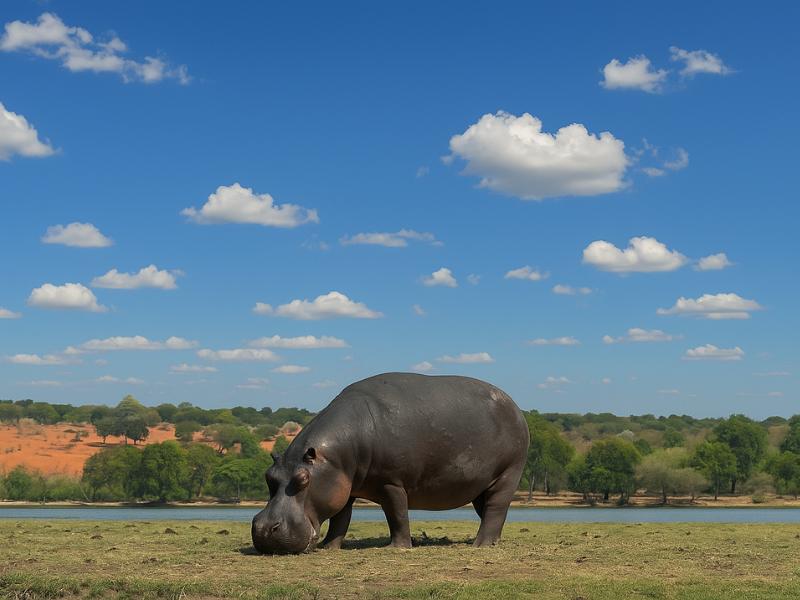
River wildlife dominated by hippos and crocodiles provides unique Chobe viewing unavailable in parks lacking substantial water bodies. Hippo pods numbering 20-100 individuals occupy river sections throughout the park, visible on virtually every boat cruise (95-99% probability) wallowing in shallows, yawning to display massive teeth, or grazing riverbanks at night. Bulls establish territories through aggressive displays, occasionally fighting rivals in violent confrontations witnessed by fortunate boat passengers.
Nile crocodiles ranging from juveniles under 6 feet to massive 12-15 foot adults bask on riverbanks and sandbanks with 90-95% boat cruise sighting rates. The large specimens rank among Africa’s biggest crocodiles, occasionally taking prey as large as young buffalo or kudu coming to drink. Water monitors (large lizards reaching 6 feet) patrol shorelines and climb trees hunting birds’ nests, though their camouflage makes them harder to spot than basking crocodiles.
Sighting probabilities help set realistic expectations preventing disappointment. Virtual guarantees (95-99% probability) include elephants during dry season, hippos on boat cruises, crocodiles on boat cruises, impala, buffalo, and common water birds. Highly likely sightings (70-90%) during 3-4 day safaris include lions, kudu, waterbuck, giraffe, and zebra. Moderate probability species (40-60%) include leopards, warthogs, baboons, and vervet monkeys.
Less common sightings (20-40%) requiring luck or extended stays include cheetahs, wild dogs, sable/roan antelope, honey badgers, and specific bird species like African skimmers or Pel’s fishing owl. Rare encounters (under 20%) include serval, caracal, aardvark, pangolin, and other nocturnal or extremely shy species. Understanding probabilities prevents expecting guaranteed leopard or wild dog sightings while appreciating common species like elephants and buffalo that some visitors dismiss as “too easy” despite their magnificence.
If you’re going for the wildlife, here’s our breakdown of the animals in Chobe tours so you can set realistic expectations before you arrive.
| Wildlife Species | Sighting Likelihood (3-4 Day Safari) | Best Season | Where to See | Game Drive vs Boat Advantage |
|---|---|---|---|---|
| Elephants | 99% virtually guaranteed | Dry season (May-Oct), peak Sep-Oct | Riverfront, throughout park | Both excellent – boat for close river encounters, drives for herds |
| Lions | 50-70% highly likely | Year-round, best dry season | Riverfront, Savuti, throughout park | Game drive strongly preferred |
| Leopards | 20-35% moderate | Year-round, best dry season | Riverine thickets, woodland edges | Game drive strongly preferred |
| Cheetahs | 5-15% uncommon | Dry season | Open floodplains | Game drive only |
| Buffalo | 80-90% very likely | Year-round, best dry season | Riverfront, floodplains | Game drive preferred, occasionally boat |
| Hippos | 95-99% virtually guaranteed | Year-round | Chobe River | Boat cruise strongly preferred |
| Crocodiles | 90-95% very likely | Year-round, best dry season basking | Chobe River banks, sandbanks | Boat cruise strongly preferred |
| Giraffe | 60-70% likely | Year-round | Park interior, acacia woodlands | Game drive only |
| Zebra | 40-60% moderate | Dry season | Floodplains, grasslands | Game drive preferred |
| Wild Dogs | 10-20% uncommon | Year-round, slightly better Apr-Sep | Throughout park | Game drive only |
| Impala | 99% guaranteed | Year-round | Everywhere | Both – extremely common |
| Kudu | 70-80% likely | Year-round | Woodland edges, riverfront | Game drive preferred |
| Waterbuck | 60-70% likely | Year-round | Near water | Both – often at river |
| African Fish Eagle | 90-95% very likely | Year-round | Chobe River | Boat cruise preferred |
| Kingfishers (various) | 85-90% very likely | Year-round | Chobe River | Boat cruise preferred |
| Carmine Bee-eaters | 90-95% (Aug-Nov only) | August-November | River banks (nesting colonies) | Boat cruise strongly preferred |
What to Pack for Your Chobe Safari
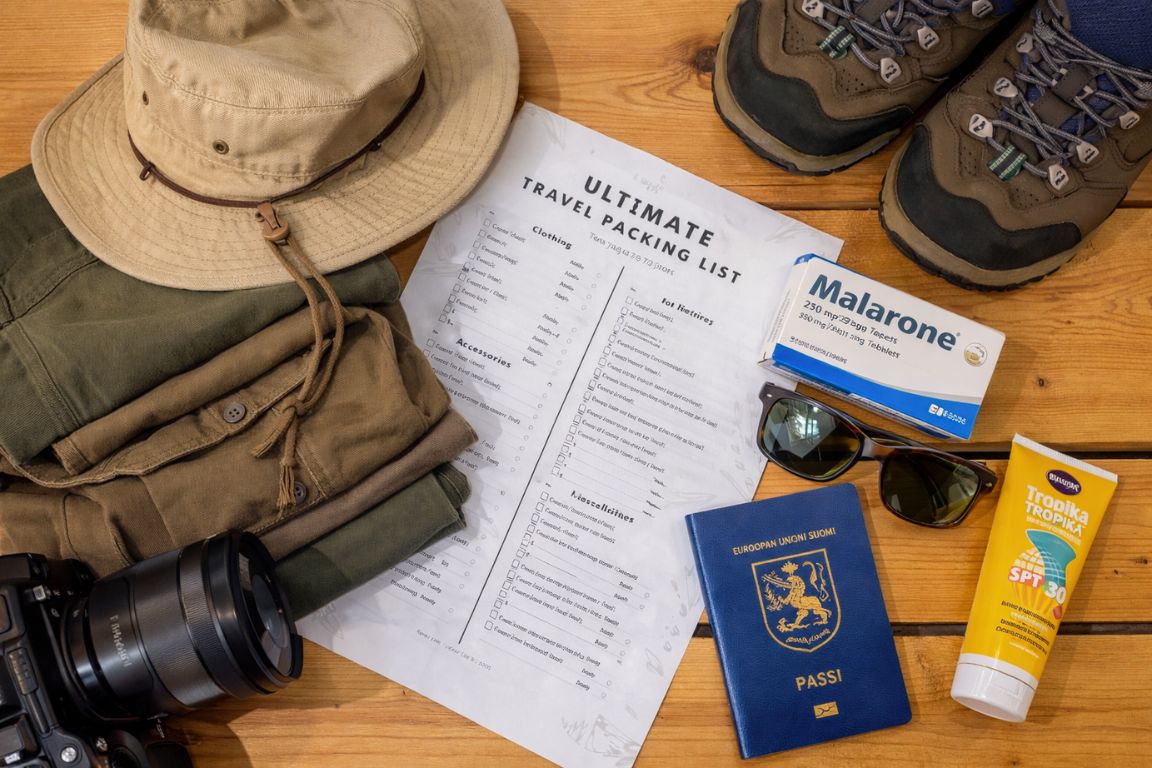
Clothing requires neutral colors (khaki, olive, brown, tan, grey) blending with bush environments and avoiding bright colors that spook wildlife or attract insects. Long-sleeve shirts and pants protect from intense sun, tsetse flies, and thorny vegetation during walking or bush activities. Layers accommodate temperature swings from cool 50-60°F mornings requiring light jackets through hot 95-105°F midday heat in September-October.
Pack 2-3 pairs of lightweight pants or convertible zip-off pants, 3-4 shirts mixing short and long sleeves, light jacket or fleece for cool mornings, and one warmer layer for June-July cold spells. Avoid jeans (heavy, hot, slow-drying), white clothing (shows dust immediately), and camouflage patterns (illegal in some African countries). Moisture-wicking fabrics dry quickly and manage sweat better than cotton in heat.
Footwear prioritizes comfortable closed-toe shoes with good tread for walking around lodges, getting in/out of safari vehicles, and occasional short walks. Lightweight hiking shoes, trail runners, or sturdy sneakers work perfectly without requiring heavy hiking boots. Sandals or flip-flops provide lodge comfort for relaxing, showering, and evening meals when closed shoes aren’t necessary.
Avoid brand-new shoes causing blisters during extended wear in vehicles. Break in footwear before traveling. One pair closed shoes plus one pair sandals suffices for most safaris, keeping luggage light.
Sun protection becomes critical with intense African sun, reflection off water during boat cruises, and extended outdoor exposure during game drives. SPF 50+ broad-spectrum sunscreen applied before morning departures and reapplied midday prevents severe burns common among unprepared visitors. Wide-brim hats with chin straps stay secure during bumpy drives and protect face, ears, and neck from direct sun.
Polarized sunglasses reduce glare off water and dusty roads while protecting eyes from UV damage. Lip balm with SPF 30+ prevents painful chapped burned lips. The combination of hat, sunglasses, sunscreen, and long-sleeve shirts provides comprehensive protection allowing comfortable full-day safari participation.
Camera equipment centers on telephoto zoom lenses in 200-400mm or 100-600mm range capturing wildlife at safe distances without cropping excessively. Mirrorless or DSLR cameras with fast autofocus track moving animals, though phone cameras produce acceptable results for casual photographers. Bring extra memory cards (64GB+ capacity) and batteries since safari shooting generates hundreds to thousands of images daily.
Dust protection through camera bags, lens hoods, and UV filters prevents fine Kalahari sand from damaging equipment during dry season drives on dusty roads. Beanbags or monopods stabilize cameras in bouncing safari vehicles where tripods prove impractical. Never leave expensive equipment in hot vehicles or visible in lodge rooms preventing theft.
Binoculars enhance game viewing significantly with 8×42 or 10×42 magnification providing optimal balance between power and stability for handheld use in vehicles. Quality optics from brands like Zeiss, Swarovski, or Bushnell deliver brighter clearer images than cheap alternatives, worth the investment for serious wildlife watchers. Compact models save luggage space though sacrifice some optical quality.
Neck straps prevent dropping binoculars during excitement when elephants or predators appear suddenly. Share binoculars between travel partners if budget or luggage constraints prevent bringing multiple pairs, though having individual pairs allows simultaneous viewing without passing equipment back and forth.
Insect repellent with 30-50% DEET concentration protects from mosquitoes (malaria vectors), tsetse flies (painful bites), and other biting insects particularly prevalent near water. Apply to exposed skin and reapply every 4-6 hours especially during dawn and dusk when mosquitoes are most active. Permethrin spray on clothing provides additional protection lasting through multiple washes.
Insect concerns peak during wet season November-April when standing water breeds massive mosquito populations, though dry season still has biting insects around the river. Tsetse flies bite through thin fabric, making repellent and proper clothing essential during game drives through infested areas.
Other essentials include prescription medications with extras beyond trip length in waterproof bags, antimalarial medications started before arrival and continued after departure per physician guidance, basic first aid supplies (bandages, pain relievers, antacids, anti-diarrheal), and any personal medications (inhalers, EpiPens, insulin). Chargers and power adapters (Type M plugs in Botswana) keep electronics functional, with portable power banks useful when lodges lack convenient outlets.
Small daypack carries camera, binoculars, sunscreen, water bottle, and extra layers during game drives. Headlamp or flashlight helps navigating lodges at night when outdoor lighting is minimal. Reusable water bottle reduces plastic waste while staying hydrated. Travel documents including passport, visa, yellow fever certificate (if required), travel insurance, and lodge confirmations in waterproof folder prevent loss and water damage.
Need help with what to bring? Our safari packing list in Chobe tours covers everything from layers for early morning drives to sun protection and binoculars.
| Item Category | Must-Bring Items | Nice-to-Have Items | Leave at Home |
|---|---|---|---|
| Clothing | Neutral pants/shorts (2-3), neutral shirts (3-4), light jacket, underwear, socks | Extra warmer layer, rain jacket, swim suit, evening casual outfit | Bright colors, white clothing, jeans, excessive clothing, formal wear |
| Footwear | Comfortable closed shoes, sandals/flip-flops | Second pair closed shoes, water shoes | Heavy hiking boots, dress shoes, brand-new unbroken shoes |
| Sun Protection | SPF 50+ sunscreen, wide-brim hat with strap, polarized sunglasses, lip balm SPF 30+ | Face sunscreen separate from body, UV protection shirt, sun sleeves | Tanning oil, low SPF sunscreen, baseball caps (inadequate coverage) |
| Camera Gear | Camera + telephoto lens (200-600mm), extra batteries, memory cards, dust bag | Backup camera body, multiple lenses, beanbag stabilizer, lens cleaning kit | Excessive equipment you can’t afford to lose, tripod (impractical in vehicles) |
| Optics | Binoculars (8×42 or 10×42) with neck strap | Spotting scope (serious birders only) | Cheap low-quality binoculars, opera glasses |
| Health/Safety | Insect repellent (30-50% DEET), prescription medications, antimalarials, basic first aid | Permethrin clothing spray, extra medication supplies, hand sanitizer | Excessive medical supplies, glass bottles |
| Electronics | Phone, chargers, power adapter (Type M), portable power bank | Tablet, e-reader, headphones | Laptop (unnecessary), hair dryer (lodges provide), excessive electronics |
| Other | Passport, visa, travel insurance docs, daypack, water bottle, headlamp, toiletries | Field guide books, journal, wet wipes, small towel | Valuables, jewelry, excessive cash, large luggage |
Chobe Safari Safety Considerations
Chobe safaris are very safe when using professional guides and following instructions, but wild animals are genuinely dangerous and must be respected. Serious incidents are extremely rare with licensed operators, though consequences for breaking rules can be severe including charges by elephants, buffalo, or hippos.
Animal safety requires staying in vehicles during game drives unless guides explicitly permit exits at designated safe areas. Never stand up, lean out, or exit vehicles when animals are visible nearby as this triggers defensive or predatory responses from wildlife. Maintain distance from all animals with guides determining safe approach distances varying by species, conditions, and animal behavior. Elephants require 50+ meter spacing particularly when bulls show signs of musth (temporal gland secretions) or mothers protect calves.
Respect wildlife by never feeding animals, making loud noises, or throwing objects attempting to provoke reactions for photos. Flash photography at close range startles animals creating dangerous situations. Buffalo rank among Africa’s most dangerous animals when approached on foot, requiring extreme caution and immediate retreat if encountered during lodge walks. Hippos kill more people annually than any other African mammal, making boat cruise distance regulations critical for safety.
Health considerations start with malaria precautions since Chobe is moderate to high risk malaria area year-round. Antimalarial medications (Malarone, doxycycline, or alternatives) should begin before arrival, continue throughout stay, and extend weeks after departure per physician prescriptions. Insect repellent with 30-50% DEET reduces mosquito bites, though medication remains essential since no repellent provides 100% protection.
Required vaccinations typically include yellow fever (certificate required for entry to Botswana from endemic countries), though yellow fever isn’t endemic to Botswana itself. Routine vaccinations (tetanus, hepatitis A, typhoid) recommended by travel medicine physicians provide additional protection. Travel insurance covering medical evacuation becomes critical since serious injuries or illnesses require air transport to South African hospitals, costing $10,000-50,000 without insurance coverage.
What to do/not do during game drives includes staying seated while vehicle is moving, holding cameras and binoculars securely preventing drops that tempt passengers to reach down near wild animals, listening to guide instructions immediately without questioning during animal encounters, and keeping voices low avoiding startling wildlife or disturbing other passengers’ experiences. Stand only when guides explicitly permit it at safe locations, typically scenic viewpoints away from animals or during breaks at designated sites.
Never reach outside vehicles to touch vegetation, pick up objects, or attempt petting “tame-looking” animals. Don’t feed wildlife from vehicles despite temptation when baboons or monkeys approach. During boat cruises stay seated when captain hasn’t anchored, keep hands inside boat preventing crocodile bites at water level, never attempt touching hippos regardless how docile they appear, and distribute weight evenly avoiding sudden movements tipping smaller boats.
Emergency procedures established by professional operators include two-way radio communication with base camps and other vehicles enabling assistance requests, first aid kits with trained staff treating minor injuries, evacuation protocols for serious medical emergencies using vehicle transport to airstrips or roads meeting ambulances, and emergency satellite phones in remote areas lacking cell coverage. Guides carry rifles in wilderness areas as last-resort protection against charging dangerous game, though proper wildlife management prevents situations requiring weapon use.
Medical emergencies trigger radio contact with camp management coordinating hospital transport, often involving Flying Doctors air ambulance service reaching Maun or Johannesburg hospitals within hours. Most lodges maintain first aid capability treating cuts, sprains, dehydration, and minor ailments without requiring evacuation. Serious issues like heart attacks, severe injuries, or snake bites activate full emergency response protocols.
A couple from Germany visited last July and the husband repeatedly stood in the vehicle during game drives despite guide instructions to remain seated. When we encountered a breeding herd of elephants with small calves, he stood again trying to get better photos. A protective mother elephant perceived the standing figure as threat and mock-charged the vehicle, stopping 10 meters away trumpeting loudly before backing off. The man was terrified, other passengers were furious their safety was compromised, and the guide informed him he’d be removed from future drives if he ignored instructions again. Another guest that same week followed all safety guidelines, stayed seated, remained quiet near animals, and had incredible close elephant encounters without ever creating dangerous situations.
Worried about the trip? Check out our guide on are Chobe tours safe for tourists – it covers everything from animal behavior to medical facilities nearby.
FAQ: Planning a Chobe Safari
1. How many days do you need in Chobe National Park?
Minimum 2 days for adequate introduction including 2 game drives and 2 boat cruises. Optimal 3-4 days provides comprehensive wildlife viewing with varied activities, different park sectors, and relaxed pacing without feeling rushed. One day from Victoria Falls gives rushed glimpse but misses Chobe’s full experience. Five to seven days suits serious photographers and wildlife enthusiasts wanting maximum coverage.
2. When is the best time to visit Chobe?
Dry season May-October delivers best game viewing with animals concentrated at the river, clear weather, and comfortable temperatures. Peak July-September offers maximum wildlife but highest prices and crowds requiring 6-12 month advance booking. Shoulder seasons May-June and October provide excellent wildlife at 25-35% lower costs with fewer tourists. Avoid March-April when heavy rains create difficult conditions and many lodges close.
3. How much does a Chobe safari cost?
Budget safaris cost $100-200 per person per day using Kasane town lodges and shared tours. Mid-range safaris run $200-400 daily with comfortable accommodation and standard activities. Luxury experiences cost $400-800+ daily at exclusive lodges with all-inclusive packages, premium service, and private activities. Three-day mid-range safaris typically total $900-1,200 per person including accommodation, activities, meals, and park fees.
4. Can you do Chobe as a day trip from Victoria Falls?
Yes, but it’s rushed and misses the full experience. Day trips involve 4-5am departure, 1.5 hour border crossing, single game drive or boat cruise, then return by evening. You’ll see elephants and basic wildlife but miss sunrise/sunset magic, multiple activities, and immersive bush atmosphere. Overnight stays of 2+ days provide dramatically better value and experience despite higher cost.
5. Do you need malaria medication for Chobe?
Yes, Chobe is moderate to high risk malaria area year-round requiring antimalarial medication. Consult travel medicine physician for prescriptions (Malarone, doxycycline, or alternatives) starting before arrival, continuing throughout stay, and extending weeks after departure. Combine medication with insect repellent (30-50% DEET) for comprehensive protection. Malaria risk exists all months though slightly lower during dry season.
6. What should I wear on a Chobe safari?
Neutral colors (khaki, olive, brown, tan, grey) blending with bush and avoiding bright colors that spook animals. Long sleeves and pants protect from sun and insects despite heat. Layers accommodate cool mornings (50-70°F) and hot afternoons (85-105°F). Comfortable closed-toe shoes for game drives, sandals for lodge. Wide-brim hat, sunglasses, and sunscreen essential for sun protection.
7. How far in advance should I book a Chobe safari?
Six to twelve months ahead for peak season July-September when quality lodges sell out, particularly August requiring 10-12 month booking. Shoulder season May-June and October needs 2-4 months advance for good availability. Wet season November-April books just weeks ahead due to low demand. Early booking secures better rates, preferred properties, and desired travel dates versus last-minute limited expensive options.
8. Is Chobe better than Kruger/Serengeti/other parks?
Chobe excels for elephants (world’s largest concentration, 50,000+), unique river safaris combining boat and vehicle viewing, and accessibility from Victoria Falls. Kruger offers more diverse big cats and extensive self-drive options. Serengeti delivers greatest wildebeest migration and vast open plains. Each park has strengths making “better” subjective to priorities – Chobe best for elephants and river experiences, others excel in different areas.
Glossary: Chobe Safari Planning Terms
Game Drive: Safari activity in open 4×4 vehicles exploring Chobe’s interior searching for wildlife during optimal viewing times (6-9am mornings, 3-6pm afternoons). Professional guides drive and interpret wildlife behavior while passengers photograph and observe from elevated seats. Standard game drives last 3-4 hours covering 20-40km through varied habitats.
Boat Cruise/River Safari: Water-based safari along Chobe River viewing hippos, crocodiles, elephants at water’s edge, and aquatic birds from stable boat platforms. Unique to Chobe compared to landlocked parks, providing close animal encounters impossible during land-based game drives. Cruises typically run 2-3 hours during morning or afternoon sessions.
Dry Season vs Wet Season: Dry season (May-October) delivers best game viewing with animals concentrated at permanent water, clear weather, and comfortable temperatures. Wet season (November-April) brings dispersed wildlife, thick vegetation, heavy rains, some lodge closures, but green landscapes, migratory birds, and 40-60% lower pricing for budget travelers accepting trade-offs.
Big Five: Term referring to Africa’s five most dangerous game animals to hunt on foot – lion, leopard, elephant, buffalo, and rhinoceros. Chobe has four of five (no rhinos) with elephants and buffalo in huge numbers, lions regularly seen, and leopards present but elusive. Historical hunting term now used in safari tourism marketing.
Kasane: Gateway town to Chobe National Park located at park’s northeastern corner where Chobe and Zambezi Rivers meet. Provides budget to mid-range accommodation ($50-150 per night), restaurants, shops, fuel, and tour operators 5-15km from park gates. Most visitors stay in Kasane or transit through en route to Chobe.
Safari Package: Bundled offering combining accommodation, game drives, boat cruises, meals, and park fees in single price covering 2-7 day periods. Packages simplify planning and budgeting versus booking individual components separately. Multi-day packages provide 10-20% per-day savings compared to booking days individually.
Park Fees: Daily entrance charges to Chobe National Park currently $50-70 per person per day for international visitors (rates vary by nationality and age). Fees typically included in safari packages and lodge rates. Valid for 24 hours from entry time, requiring new fees for overnight stays spanning multiple days.
Self-Drive vs Guided Safari: Self-drive allows independent visitors with own/rental vehicles to explore Chobe following park roads without guide services. Guided safari provides professional guide, dedicated safari vehicle, wildlife expertise, and optimal positioning. Chobe permits self-drive though guided experiences deliver superior wildlife knowledge and sighting success.
Ready to Plan Your Chobe Safari?
Planning successful Chobe safaris requires understanding key factors: visit during dry season May-October for best game viewing with peak wildlife July-September requiring 6-12 month advance booking, plan 3-4 days for optimal balance between wildlife variety and budget constraints, combine game drives with boat cruises experiencing Chobe’s unique river safari advantage, stay at Chobe riverfront for immersive experience or Kasane town for budget savings, and combine with Victoria Falls just 70km away creating efficient 4-6 day southern Africa itineraries. Budget $200-400 daily for mid-range comfort or $400-800+ for luxury all-inclusive experiences.
If your dates and budget are already taking shape, start with a 3-day Chobe safari from Livingstone or Victoria Falls, or a 4-day Chobe, Victoria Falls and Hwange tour if you are pairing the park with other stops. Compare dates on a 3-day Chobe safari from Livingstone or Victoria Falls once you know your month, stay length and whether you want game drives and boat cruises packaged together.
At Chobe Tours, we’ve planned thousands of successful safaris over years operating in Chobe National Park, understanding exactly what works for different traveler types from budget backpackers through luxury honeymooners. Once your month and stay length are decided, compare a 3-day safari from Livingstone or Victoria Falls to see how game drives, boat cruises and park nights are packaged. Our local expertise helps you avoid common planning mistakes like visiting wrong season, staying too short, or missing essential boat cruise experiences.
Contact Chobe Tours at chobetours.com for planning assistance turning overwhelming safari decisions into clear actionable plans, ensuring you arrive properly prepared to experience Chobe’s spectacular elephant herds, river wildlife, and African bush magic rather than arriving confused and unprepared.
The elephants are here May through October. The lodges fill up 6-12 months ahead during peak season. The question is when you’re coming and whether you’ll plan properly or wing it hoping everything works out.
From the guides at Chobe Tours who’ve watched properly-planned safaris deliver incredible wildlife experiences and magical moments, while poorly-planned trips suffer from wrong timing, inadequate duration, missed boat cruises, and disappointed visitors who could have seen so much more with better advance planning.