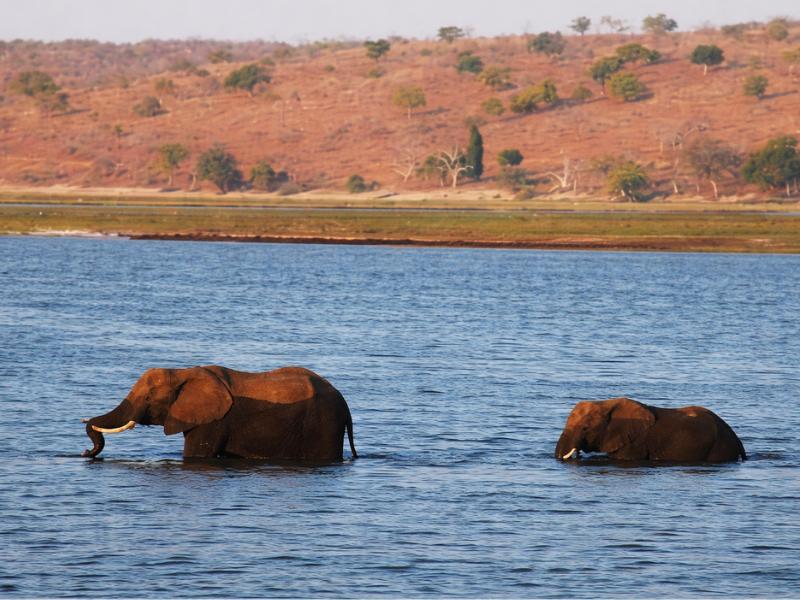
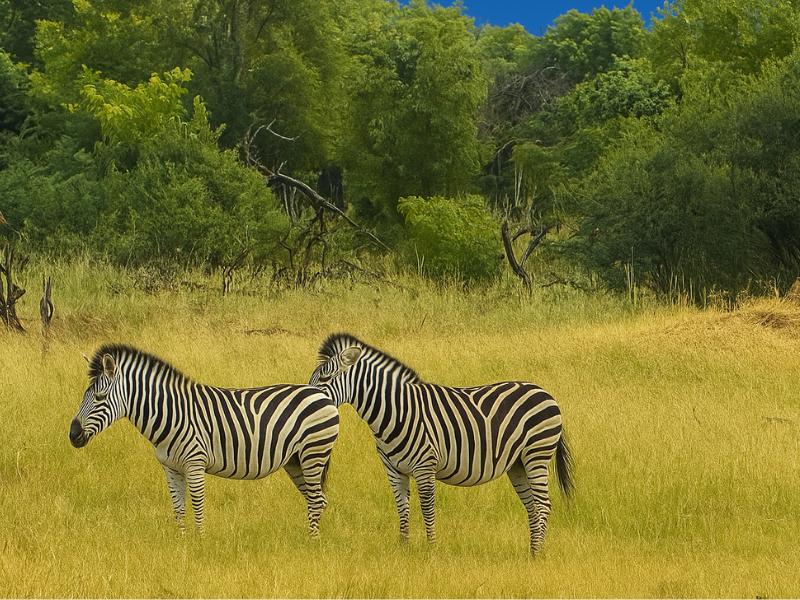
How Many Days Do You Need in Chobe National Park
How many days do you really need in Chobe? This honest guide breaks down 1–7 day stays, costs, wildlife variety, and when extra days add value—or don’t.
Last updated: March 10, 2026
Every week we receive emails asking “Is one day in Chobe enough?” and “Will seven days be too long?” Tourists struggle with duration planning, uncertain whether rushed day trips from Victoria Falls provide adequate experiences or if week-long stays become repetitive and wasteful. Some visitors book single days then regret missing overnight bush atmosphere and multiple activity cycles, while others commit to extended stays discovering wildlife variety plateaus after four days with remaining time feeling redundant. The uncertainty stems from conflicting online advice, marketing pushing longer expensive packages, and lack of honest guidance about diminishing returns.
At Chobe Tours, we’ve operated safaris ranging from frantic day trips through leisurely week-long stays over many years, understanding exactly when additional days add genuine value versus when you’re simply repeating experiences at additional cost. This guide provides honest duration assessment covering rushed 1-day Victoria Falls day trips showing why they disappoint, adequate 2-day minimum introducing Chobe properly, optimal 3-4 days balancing wildlife variety with budget and time constraints, and extended 5-7 days explaining when they make sense for photographers versus feeling repetitive for general visitors. We address realistic wildlife expectations by duration, cost analysis showing per-day pricing and value, combining Chobe with Victoria Falls or other destinations, and diminishing returns explaining why longer isn’t always better despite what premium lodges suggest.
Optimal Chobe Duration in Chobe
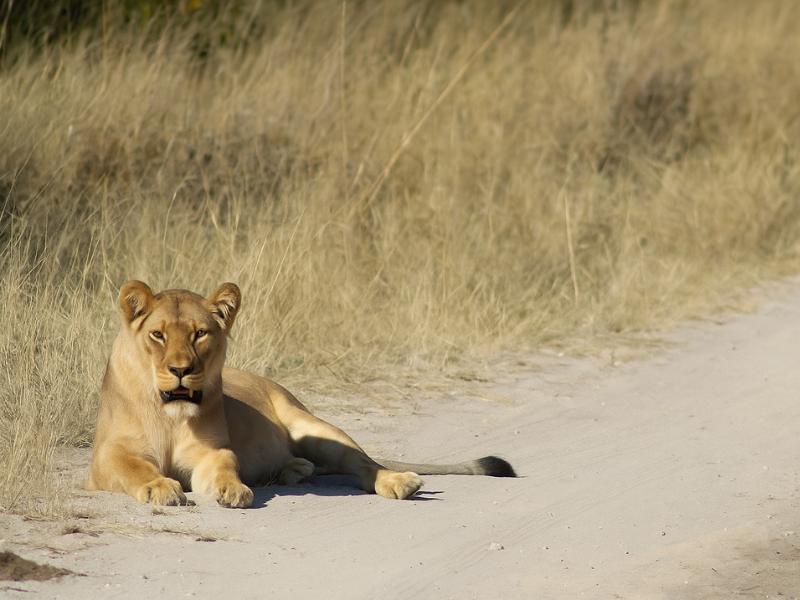
Minimum viable duration is 2 days (1 night) providing adequate Chobe introduction with 2 game drives, 2 boat cruises, and overnight lodge experience capturing essential safari elements. The 48-hour window allows experiencing both morning and afternoon wildlife activity peaks, combining land and water-based viewing, and settling into bush atmosphere impossible during rushed day trips. Two days delivers 85-90% elephant sighting probability, 40-50% lion odds, diverse plains game encounters, and proper introduction to Chobe’s riverfront ecosystem without feeling incomplete or rushed.
Optimal for most visitors is 3-4 days balancing comprehensive wildlife variety with reasonable time and budget commitments while avoiding diminishing returns affecting longer stays. Three days provides varied game drives across different park sectors, multiple boat cruise perspectives, relaxed pacing with lodge downtime, and 95% elephant probability with 70% lion odds. Four days adds full activity cycles allowing second chances if weather or luck disappoints initially, increases leopard odds to 35-40%, and provides buffer for thorough coverage without feeling rushed. The 3-4 day range suits first-time safari visitors, families, and travelers wanting complete Chobe experiences without excessive time or cost investment.
Maximum worthwhile duration is 5-7 days for serious photographers needing multiple golden hour sessions, dedicated wildlife enthusiasts pursuing rare species like wild dogs or cheetahs, and visitors making Chobe their primary destination rather than add-on to Victoria Falls. Extended stays allow exploring remote Savuti and Linyanti areas beyond standard riverfront circuits, waiting patiently for perfect light and behavioral moments, and comprehensive coverage across Chobe’s diverse ecosystems. Beyond 5-7 days, wildlife variety plateaus with species sightings becoming repetitive, lodge routines feeling mundane, and marginal value additions not justifying continued costs for most travelers.
We’ve broken down multi-day vs day trip in Chobe tours so you can figure out which matches your schedule, budget, and wildlife goals.
| Duration | Nights | Typical Activities | Wildlife Variety | Sighting Highlights | Cost Range (Mid-Range) | Best For |
|---|---|---|---|---|---|---|
| 1 Day | 0 (day trip) | 1 game drive OR 1 boat cruise | Limited – elephants, hippos, common species | Elephants 85-95%, hippos 90%, basic introduction | $150-250 per person | Extremely limited time, preview only, Victoria Falls day trip |
| 2 Days | 1 night | 2 game drives, 2 boat cruises | Good – land and water combo | Elephants 85-95%, lions 40-50%, leopards 10-15%, diverse plains game | $300-600 per person | Minimum adequate, combining with Victoria Falls, tight schedules, budget constraints |
| 3 Days | 2 nights | 3-4 game drives, 3-4 boat cruises, varied sectors | Very good – comprehensive basics | Elephants 95-99%, lions 70%, leopards 25-30%, full plains game spectrum | $900-1,600 per person | Optimal for most first-timers, families, balanced experience, good value |
| 4 Days | 3 nights | 4-5 game drives, 4-5 boat cruises, different zones, relaxed pace | Excellent – thorough coverage | Elephants 99%, lions 80%, leopards 35-40%, comprehensive diversity, rare species possible | $1,200-2,100 per person | Serious wildlife interest, photographers, thorough Chobe experience, time available |
| 5-7 Days | 4-6 nights | 8-12+ activities, remote areas (Savuti/Linyanti), flexible scheduling | Comprehensive – peak diversity then plateau | All common species guaranteed, rare species 15-25%, behavioral observation, photography variety | $2,000-5,000+ per person | Photographers, rare species pursuit, Chobe as primary destination, unlimited time/budget |
1-Day Chobe Safari: Is It Worth It?
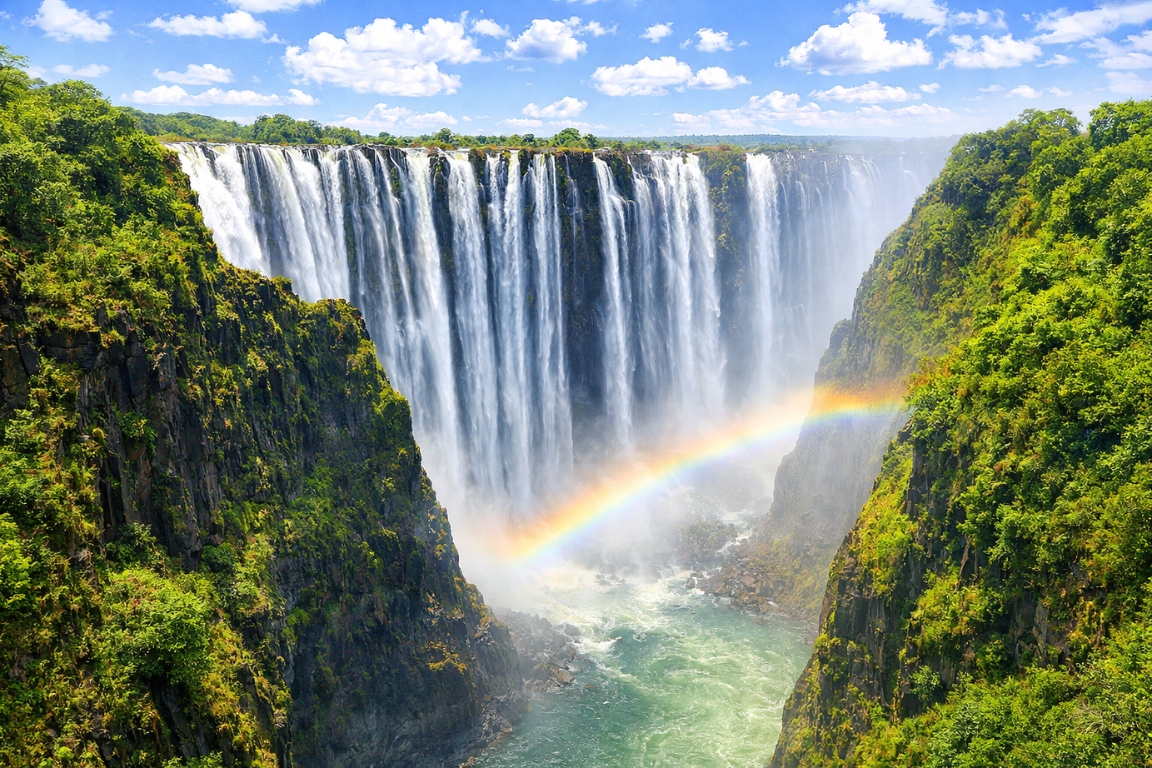
Typical schedule for 1-day Chobe safaris from Victoria Falls involves 4-4:30am hotel pickup, 1.5 hour drive to Kazungula border crossing between Zimbabwe and Botswana, 30-60 minutes navigating immigration and customs depending on queues, and arrival at Kasane by 7-7:30am. Most operators provide single activity (either game drive OR boat cruise, occasionally both if extremely rushed) lasting 2.5-3 hours, lunch at basic restaurant or lodge, then reverse journey departing Chobe 2-3pm to reach Victoria Falls by 6-7pm. The 15-hour day involves more time in vehicles and at border crossings than actual wildlife viewing, with 2.5-3 hours safari time representing just 15-20% of total day commitment.
The rushed schedule eliminates optimal wildlife viewing times as early morning 6-7am game drives get sacrificed to border crossing logistics, late afternoon 4-6pm golden hours are missed returning to Victoria Falls, and midday activity slot coincides with heat when animals rest in shade showing minimal activity. The single activity limitation forces choosing between game drive seeing terrestrial wildlife or boat cruise experiencing river animals, missing Chobe’s unique combination that makes it special compared to landlocked parks.
If you’ve never done a game drive before, here’s the game drive experience explained in Chobe tours so you show up prepared and know what you’re getting into.
What you’ll see during 1-day trips includes near-guaranteed elephant sightings (85-95% probability) as Chobe’s massive populations ensure encounters even during brief visits, hippo pods visible from boat cruises (90% probability), crocodiles basking on riverbanks (85% probability), and common plains game including impala, waterbuck, and buffalo (70-80% probability). The limited time and single activity dramatically reduces lion sighting odds to just 15-25% compared to 70-80% on multi-day safaris allowing multiple attempts, leopards become extremely unlikely (under 5% probability), and overall wildlife diversity per trip stays minimal with 8-12 species typical versus 20-30+ on proper multi-day safaris.
The basic wildlife introduction provides glimpse of Chobe’s potential without delivering comprehensive safari experiences. Visitors see elephants confirming Chobe’s reputation but miss massive afternoon herds of 200-400 animals gathering at the river, encounter hippos without observing complex social behaviors visible during extended viewing, and spot common antelope without appreciating diverse species covering park habitats. The rushed nature prevents settling into safari rhythm, developing relationships with guides sharing deep knowledge, or experiencing magic of African bush beyond simple animal checklists.
Who it works for includes travelers with extremely limited time making quick Victoria Falls visits (2-3 days total) where adding overnight Chobe stay proves impossible, those on very tight budgets where $150-250 day trip represents maximum affordable safari spending versus $300-600 for 2-day overnight minimum, and curious visitors wanting preview before committing to proper multi-day safaris on future trips. Day trips also suit travelers uncertain whether they’ll enjoy game viewing, preferring brief test before investing time and money in extended safaris.
The limited scenarios where day trips make sense reveal they work primarily as compromises when better options aren’t feasible rather than delivering satisfying complete safari experiences. Travelers with flexible schedules, adequate budgets, and genuine wildlife interest should choose an overnight Chobe safari with camping even if that means sacrificing other activities or destinations to make room. The dramatic quality difference between rushed day trips and relaxed multi-day safaris justifies the additional time and cost investment.
Cost for 1-day Chobe safaris ranges $150-250 per person covering transport from Victoria Falls, border crossing assistance, single game drive or boat cruise, basic lunch, park entry fees, and guide services. The all-inclusive pricing seems economical compared to $300-600 for 2-day overnight trips, but per-activity cost reveals poor value with day trips charging $150-250 for single safari activity versus multi-day packages providing 4 activities plus accommodation and meals for $300-600. The apparent savings disappear when examining actual wildlife viewing time and experience quality received per dollar spent.
Budget travelers choosing day trips over 2-day overnights to save $150-350 often regret the decision after experiencing rushed incomplete safaris, wishing they’d allocated budgets differently by shortening Victoria Falls stays or cutting other expenses to afford proper Chobe overnights. The marginal cost of upgrading from day trip to 2-day safari ($150-350 additional) delivers exponentially better experiences making it one of the best value upgrades in safari planning.
A couple from Canada visited Victoria Falls for 4 days and booked 1-day Chobe trip on their third day wanting to see elephants without committing to overnight safari. They woke at 4am, spent 90 minutes reaching the border, waited 45 minutes in immigration queues, arrived Kasane exhausted at 7:30am, did single 2.5-hour game drive seeing 60-80 elephants and buffalo herd, ate rushed lunch, then spent another 2.5 hours returning to Victoria Falls arriving at 6:30pm completely drained. They saw elephants as hoped but felt the experience was too rushed to appreciate, missed boat cruise entirely, never experienced bush atmosphere or lodge ambiance, and regretted not staying overnight when they heard other travelers describing sunset river cruises with massive elephant herds drinking. They told us afterward they wished they’d allocated one less day at Victoria Falls and spent 2 days in Chobe instead, recognizing the day trip was false economy trading memorable experiences for minor cost savings.
2-Day Safari (1 Night): Minimum Adequate Duration
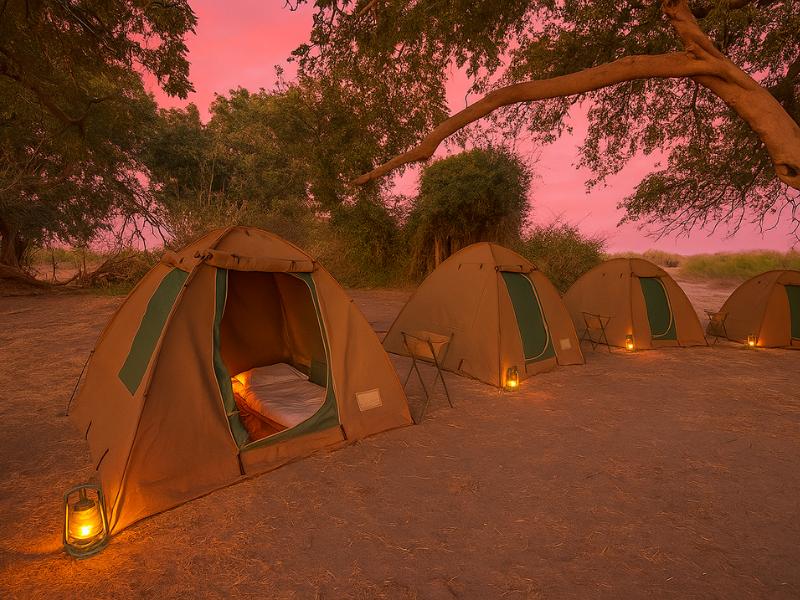
What’s included in standard 2-day packages covers 2 game drives (typically afternoon arrival day and morning departure day), 2 boat cruises (morning day 2 and afternoon either day), 1 night accommodation ranging from budget Kasane lodges to mid-range riverfront properties, most meals (dinner day 1, breakfast and lunch day 2, sometimes all meals depending on package), park entry fees for both days, and transfers between Kasane and accommodation. The structure provides complete activity cycle experiencing both land and water-based safari perspectives, morning and afternoon wildlife viewing windows, and overnight bush atmosphere impossible during day trips.
Typical itinerary begins with afternoon arrival in Kasane around 1-2pm via flight, transfer from Victoria Falls, or self-drive, followed by lodge check-in and 3-3:30pm departure for first activity (either game drive or boat cruise depending on operator scheduling). The afternoon activity runs until 6-6:30pm sunset returning to lodge for dinner, overnight accommodation, and morning wake-up call around 5:30-6am. Day 2 starts with early morning activity (whichever wasn’t done afternoon day 1) from 6-9:30am, return to lodge for full breakfast, mid-morning boat cruise or game drive completing second activity cycle, lunch, then afternoon departure by 2-3pm.
The 48-hour structure allows experiencing peak wildlife activity times with morning drives capturing animals emerging from nighttime rest to feed and drink, afternoon sessions showing predators waking and elephants arriving at river, and overall proper safari rhythm versus rushed day trip schedules. The overnight component provides genuine bush experience hearing animals at night, waking to African dawn chorus, and settling into safari atmosphere between activities rather than constant travel.
Wildlife expectations for 2-day safaris include near-guaranteed elephant encounters (95-99% probability) with typical sightings involving 50-150 animals in multiple encounters across both days, though not quite reaching massive 200-400 herds requiring extended stays. Lion sightings reach 40-50% probability with two attempts across different times and areas improving odds compared to single-activity day trips, though still below 70-80% odds multi-day safaris achieve. Leopards remain challenging at 10-15% probability requiring luck even with four total activities, while diverse plains game including buffalo, kudu, waterbuck, impala, giraffe, and zebra appear regularly across game drives.
Hippo and crocodile sightings reach 95-99% probability during boat cruises, bird diversity allows identifying 40-60 species for casual observers, and overall wildlife variety covers essential Chobe species without extending into rare species territory. The two days provide solid introduction to Chobe’s ecosystems and flagship species establishing foundation for understanding why the park is special, though leaving visitors wanting more rather than feeling completely satisfied.
Experience quality from 2-day safaris delivers adequate introduction capturing proper safari feel without rushed day trip compromises. The overnight stay allows unpacking properly, settling into lodge routines, developing rapport with guides who learn your photography preferences and interests, and experiencing bush atmosphere including animal sounds at night, stunning African sunsets from lodge decks, and peaceful mornings watching elephants from breakfast tables. The multiple activities provide variety seeing animals from different perspectives (vehicle height vs water level), different times of day revealing varied behaviors, and different locations covering riverfront and interior habitats.
The combination of land and water viewing distinguishes Chobe from landlocked parks, with game drives providing terrestrial predator encounters and interior plains game while boat cruises deliver intimate hippo observations, elephant herds swimming, and water bird diversity. Two days allows appreciating this unique combination rather than experiencing only half of Chobe’s appeal through single-activity day trips. The pacing feels appropriate without excessive rushing or wasted downtime, though leaves no room for weather buffers or second attempts if initial outings disappoint.
Cost for 2-day safaris ranges $300-450 per person using budget Kasane town lodges with basic but clean accommodation, separate activity bookings through local operators, and self-arranged meals, or $450-600 per person for mid-range packages including riverfront lodges, all activities, full meals, and seamless logistics. The pricing represents double day trip costs ($150-250) but delivers quadruple the activities (4 versus 1) plus accommodation, meals, and significantly better overall experience making per-activity value substantially superior.
The $300-600 investment provides entry-level proper safari experiences setting baseline for understanding wildlife viewing, though budget constraints keeping visitors in this category often mean compromising on accommodation quality, lodge location, or meal inclusions. Travelers with flexibility to extend stays find modest additional investments (3-4 days costing $900-1,600 total) deliver disproportionate value increases through more comprehensive wildlife coverage and relaxed pacing.
Planning your first African safari? Here’s how to plan a safari in Chobe tours so you get the experience right without overspending.
Recommended tours by duration
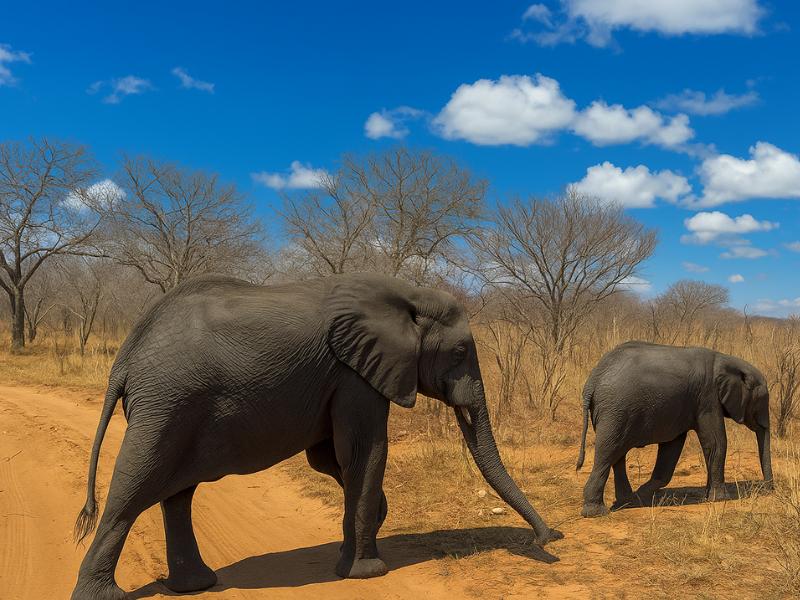
Full-Day Chobe Safari via Kazungula Bridge
A 10-hour day trip from Victoria Falls, routed via the Kazungula Bridge.
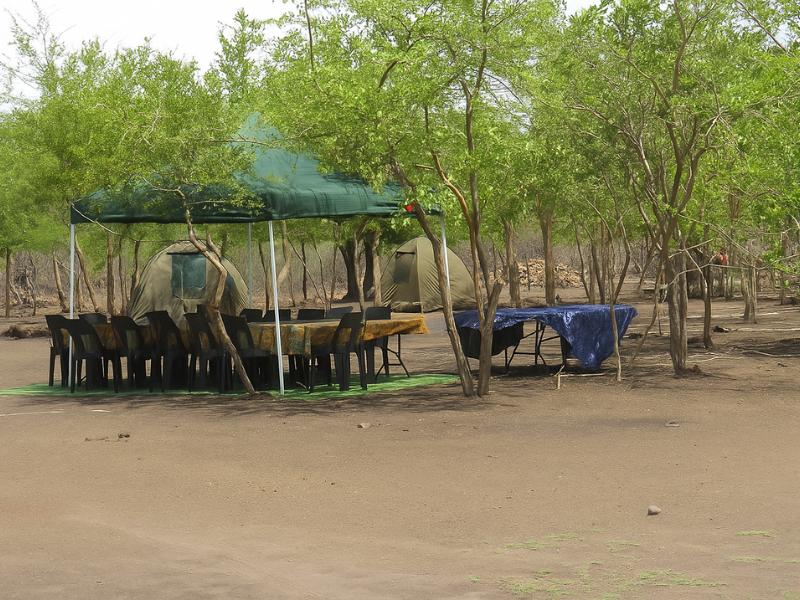
Overnight Chobe Safari with Camping
A 24-hour camping itinerary for travelers who can stay one night.
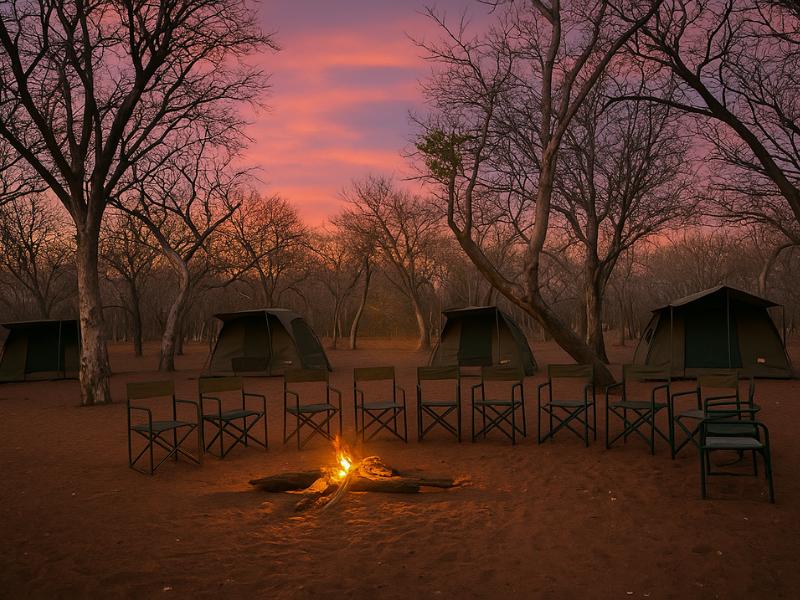
3-Day Chobe Safari Tour from Livingstone/Victoria Falls
A 3-day, 60-hour safari departing from Livingstone or Victoria Falls.
Zimbabwe, Zambia & Botswana: 5-Day Chobe Tour
A 5-day, 120-hour itinerary across Zimbabwe, Zambia, and Botswana.
3-4 Day Safari: The Sweet Spot for Most Visitors
Why this duration is optimal centers on balancing comprehensive wildlife variety with reasonable time and budget commitments while stopping before diminishing returns make additional days feel repetitive. Three to four days provides sufficient activities (6-10 total outings) covering different park sectors during varied times of day, allows second and third attempts finding elusive species if initial drives disappoint, and delivers relaxed pacing with lodge downtime between activities rather than constant rushing. The duration captures 85-95% of Chobe’s wildlife variety and experiential value at 60-75% of week-long safari costs, representing optimal value proposition for travelers prioritizing efficient experiences over completeness.
The multi-day structure allows developing relationships with guides who learn your interests and photography preferences, settling into safari rhythms understanding when animals are most active, and processing experiences between outings rather than overwhelming sensory overload from constant activity. Three to four days provides weather buffers if afternoon storms disrupt wet season activities, luck buffers if animals prove elusive during initial attempts, and variety buffers preventing repetition while maintaining freshness. The sweet spot satisfies most first-time safari visitors’ wildlife aspirations without extending into territory where additional days add marginal value at continued cost.
3-day structure typically includes 3-4 game drives covering different park sectors (riverfront, interior woodlands, floodplains), 3-4 boat cruises at varying times revealing different wildlife patterns, 2 nights accommodation allowing proper unpacking and settling in, and relaxed pacing with rest periods between activities. Standard itinerary begins afternoon day 1 with arrival and first activity (game drive or boat cruise), full day 2 with morning and afternoon activities exploring different areas, and morning day 3 with final activity before midday-afternoon departure. The structure provides complete activity cycles experiencing morning, midday, and afternoon wildlife patterns across multiple days.
Different park sectors visited across three days show varied ecosystems from dense riverine vegetation supporting leopards through open floodplains where buffalo graze to mopane woodlands where elephants browse, creating habitat diversity impossible during 2-day stays limited to riverfront areas. Guides adjust daily plans based on previous day’s successes and disappointments, revisiting productive locations at different times or exploring new areas if riverfront proves slow. The relaxed pacing allows afternoon lodge rest during hot midday hours, processing morning experiences, and avoiding safari fatigue from excessive constant activity.
4-day structure extends the 3-day foundation adding full activity cycles allowing comprehensive coverage with second chances for everything. Typical 4-day itinerary includes afternoon arrival with activity day 1, two full days (days 2-3) with morning and afternoon outings each, and morning departure day 4 with final early activity, totaling 7-9 activities across four days. The additional day provides weather and luck buffers particularly valuable during shoulder seasons when conditions vary, allows revisiting particularly productive areas at optimal times after understanding animal patterns, and creates breathing room in schedules preventing exhaustion from excessive activity.
Four days allows specialized experiences like dedicated photography sessions positioning for optimal light, full-day safaris exploring remote areas with picnic lunches, or morning walking safaris where available complementing standard game drives and boat cruises. The extended time improves rare species odds through multiple attempts in varied locations, increases behavioral observation opportunities watching elephant herds interact across multiple encounters, and provides enough variety preventing repetition while maintaining interest. Four days particularly suits serious wildlife enthusiasts, photographers wanting comprehensive coverage, and families with children who need relaxed pacing avoiding burnout.
Wildlife diversity achieved during 3-4 days reaches comprehensive levels covering virtually all common species and many uncommon ones. Elephant encounters reach 99% probability with multiple sightings totaling 200-500+ animals across varied herds and situations, lion sighting odds increase to 70-80% through multiple game drives in different areas during optimal morning hours, and leopard probability improves to 30-40% as repeated riverine thicket searching eventually reveals solitary cats. Buffalo herds appear reliably (85-95%), diverse plains game including kudu, waterbuck, impala, giraffe, zebra, and various antelope species show across multiple habitats, and hippo/crocodile encounters reach guaranteed status (99%) through multiple boat cruises.
Bird diversity for casual observers reaches 80-120 species across varied habitats from river specialists like kingfishers and fish eagles through woodland species like hornbills to raptors soaring over floodplains. Rare species including wild dogs improve to 15-25% probability as extended time increases chances of encountering roving packs, cheetahs become possible though still unlikely (10-15%) on open floodplains, and overall species variety covers 90-95% of what Chobe offers visitors without requiring week-long commitments. The comprehensive coverage satisfies most wildlife checklists while leaving a few special sightings as pleasant surprises rather than guaranteed expectations.
Cost for 3-day safaris ranges $900-1,200 using budget to mid-range accommodation, covering 6-8 activities, 2 nights lodging, most meals, park fees, and transfers. Mid-range to upper mid-range 3-day packages run $1,200-1,600 including riverfront lodges, all meals and drinks, premium guide services, and seamless logistics. Four-day extensions cost $1,200-1,600 budget to mid-range or $1,600-2,100 mid-range to upper mid-range, representing $300-500 additional investment over 3-day trips for 25% more time and 30-40% more activities creating good marginal value.
The per-day cost decreases with duration as package deals spread fixed costs (transfers, park fees, guide time) across more days, with 4-day trips costing $300-525 per day versus $450-600 daily for 2-day minimums. The $900-2,100 total investment for 3-4 days represents sweet spot balancing comprehensive experiences with mid-range budgets, accessible to serious travelers making safari priority without requiring luxury-level unlimited budgets. Families or groups of four splitting costs find 3-4 days particularly affordable at $3,600-8,400 total for entire group versus prohibitive $8,000-20,000+ for week-long luxury family safaris.
Need transparency on pricing? Our guide with safari costs explained in Chobe tours shows you what you actually get at different price points.
5-7 Day Safari: Extended Stays for Enthusiasts
Who needs this long includes serious photographers requiring multiple golden hour sessions capturing elephants in dramatic morning and afternoon light, waiting patiently for perfect conditions and compositions across varied locations. Dedicated wildlife enthusiasts pursuing rare species like wild dogs, cheetahs, or caracals need extended time as these animals require luck and persistence, with 15-25% sighting odds necessitating daily attempts across week-long stays. Visitors making Chobe their primary African destination rather than brief add-on to Victoria Falls justify extended stays, as do travelers with unlimited time and budgets prioritizing completeness over efficiency.
Repeat safari visitors who’ve experienced multiple parks and want comprehensive Chobe coverage including remote areas benefit from extended stays, as do naturalists studying animal behavior requiring observation time beyond simple species sightings. The extended duration works for travelers genuinely passionate about wildlife rather than casual tourists checking safari boxes, with interest levels sustaining engagement across week-long immersion versus feeling bored after 4-5 days. Extended stays particularly suit solo travelers or couples without time constraints enjoying slow-paced exploration versus families with children whose attention spans and patience limit effective safari duration to 3-4 days maximum.
What extended time adds beyond standard 3-4 day experiences includes access to remote Savuti marsh area 180km from main riverfront where different wildlife concentrations occur in seasonal patterns, and Linyanti region offering exclusive concessions with limited tourist access creating private viewing. These remote areas require full-day excursions or multi-night stays at specialized camps, impossible to incorporate into shorter riverfront-focused trips. The extended time allows exploring Chobe’s full ecological diversity from permanent river through seasonal marshes to dry mopane woodlands, understanding how animals move between zones seasonally.
Rare species patience becomes feasible with week-long stays allowing daily attempts finding wild dog packs ranging widely across territories, waiting for cheetah sightings on open floodplains where cats appear sporadically, and searching for nocturnal species like honey badgers, servals, or caracals on extended evening/early morning drives. Behavior observation moves beyond simple sightings to watching elephant family dynamics across multiple encounters, following lion prides over several days understanding hunting patterns and territorial behaviors, and documenting seasonal changes in animal conditions and movements. The depth of understanding achievable during extended stays transforms experiences from wildlife checklists to genuine ecological education.
Photography advantages from 5-7 days include multiple golden hour sessions capturing elephants, predators, and landscapes under varied atmospheric conditions until achieving desired images. Patient photographers wait for perfect light, ideal compositions, and compelling behaviors rather than accepting whatever first encounters provide, with extra days allowing second, third, and fourth attempts at specific subjects. Comprehensive coverage becomes possible photographing Chobe’s full species diversity across varied habitats, lighting conditions, and times of day, building extensive portfolios rather than limited sample collections from shorter trips.
Extended stays provide opportunities waiting for rare perfect moments like elephants silhouetted against dramatic storm clouds, lions making kills, or leopards descending from trees, with week-long commitments increasing odds of witnessing and capturing exceptional once-in-lifetime scenes. Photographers develop working relationships with guides who understand specific shot lists and return repeatedly to productive locations at optimal times, impossible during short trips where guides must show maximum species variety quickly. The additional days allow experimenting with different techniques, lenses, and approaches rather than rushing through standard wildlife portraiture, elevating photography from documentation to art.
Diminishing returns reality affects extended stays as wildlife species variety plateaus around day 4-5 when most common and moderately rare species have been encountered, with subsequent days producing repeat sightings rather than new discoveries. Elephant encounters become routine after seeing massive herds multiple times, buffalo sightings lose impact after encountering thousands of animals across numerous herds, and even lion or leopard sightings feel less exciting after multiple good encounters. The behavioral patterns repeat with elephants drinking at river, hippos yawning and wallowing, and predators resting in shade becoming predictable rather than novel.
Lodge routines and landscapes become overly familiar by day 5-6 with same breakfast spots, same riverfront vistas, and same game drive routes feeling repetitive versus fresh and exciting. The safari magic that makes days 2-4 incredible diminishes as novelty wears off and experiences blend together, with many visitors reporting day 6-7 feel obligatory rather than genuinely engaging. The diminishing returns particularly affect general wildlife enthusiasts versus hardcore photographers and naturalists who maintain interest through technical pursuit or scientific curiosity beyond simple species encounters. Most honest travelers admit feeling “done” with Chobe by day 5, ready to move elsewhere for variety versus genuinely wanting additional time.
Cost for 5-7 day safaris ranges $2,000-3,000 for budget accommodations with basic Kasane lodges and standard activities, $3,000-4,000 mid-range using quality riverfront lodges with comprehensive inclusions, and $4,000-8,000+ luxury tier at exclusive Linyanti or Savuti camps with private concessions. Premium photography-focused safaris with specialized vehicles, expert guides, and optimal lodges reach $6,000-10,000+ per person for week-long stays. The extended duration multiplies costs significantly with per-day rates of $400-600 mid-range meaning week-long trips easily exceed most travelers’ entire vacation budgets for all destinations combined.
The $2,000-8,000+ investment for single destination week-long stays raises serious questions about opportunity costs and alternative uses of time and money. The same budget could fund 3-4 days excellent Chobe safari plus Okavango Delta, Victoria Falls, and Cape Town creating diverse southern Africa experiences versus single-park immersion. For most travelers, extended Chobe stays represent diminishing value past day 4-5, with better alternatives being shorter Chobe visits combined with other Botswana parks or regional destinations creating varied experiences rather than extended single-location commitments producing repetitive encounters.
What You’ll See: Wildlife by Duration
 1-day sightings guarantee elephants (85-95% probability) as Chobe’s massive populations ensure encounters even during brief 2.5-3 hour single activities, with typical day trips seeing 30-80 elephants in scattered groups or moderate-sized herds. Hippos become near-certain (90% probability) on boat cruises as resident pods occupy every river section, crocodiles basking on banks show reliably (85% probability) during dry season, and common antelope including impala and waterbuck appear regularly (75-80% probability) along riverfront areas. Buffalo sightings reach 50-60% odds depending on timing and luck, with herds ranging widely making encounters hit-or-miss during limited viewing windows.
Lion sightings drop to just 15-25% probability during day trips as single 2.5-hour activity provides insufficient time and coverage finding cats that require multiple attempts, leopards become extremely unlikely (under 5% probability) requiring exceptional luck, and overall wildlife diversity stays minimal at 8-12 species versus 20-30+ on multi-day safaris. The guaranteed sightings deliver on Chobe’s elephant reputation but miss comprehensive wildlife experiences that proper safaris provide, leaving visitors with basic introduction rather than satisfying complete encounters.
2-day additions improve lion odds significantly to 40-50% probability as four total activities across morning and afternoon sessions in different areas increase finding chances, though still below multi-day safari levels. Diverse plains game including kudu, giraffe, zebra, and various antelope species appear across multiple habitats covered during two days, buffalo herds become more likely (70-80% probability), and multiple elephant encounters totaling 80-200 animals across varied groups provide better sense of Chobe’s elephant abundance than single day trip sightings.
Bird diversity increases for casual observers identifying 40-60 species across boat cruises and game drives, leopard odds improve marginally to 10-15% though remaining challenging, and overall wildlife variety covers essential species establishing foundation for understanding Chobe’s ecosystems. The two days feel adequate rather than rushed, providing proper introduction without extending into comprehensive territory that longer stays achieve.
3-4 day comprehensive coverage pushes lion sighting probability to 70-80% as 6-9 activities across varied times and areas eventually locate prides at kills, drinking, or resting under trees. Leopard odds improve to 30-40% as repeated riverine thicket searching and multiple dawn/dusk sessions increase chances spotting solitary cats hunting or resting in trees. Full plains game spectrum including buffalo (85-95%), kudu (80-90%), waterbuck (75-85%), giraffe (70-80%), zebra (60-70%), warthogs (70-80%), and diverse antelope species appear reliably across different habitats explored over several days.
Bird diversity reaches 80-120 species for casual observers as varied habitats from river through woodland to floodplain support different communities, elephant encounters total 200-500+ animals across multiple massive herds and varied family groups, and hippo/crocodile sightings become guaranteed (99%) through numerous boat cruises. Wild dog probability improves to 15-20% as extended time increases odds encountering roving packs, cheetah sightings remain unlikely but possible (10-15%) on open floodplains, and overall species coverage represents 90-95% of what Chobe offers without requiring week-long commitments.
5-7 day opportunities for rare species include wild dogs at 20-30% probability as daily attempts across week-long stays eventually encounter packs ranging through territories, cheetahs improving to 15-25% odds through persistent floodplain searching, and nocturnal specialists like servals, caracals, or honey badgers becoming possible (10-15%) during extended evening/early morning drives. Behavior observation moves beyond simple sightings to documenting elephant family dynamics across multiple encounters, following lion prides understanding hunting patterns and social structures, and capturing seasonal movement patterns.
Photography variety expands dramatically with multiple golden hour sessions achieving desired light and compositions, waiting for perfect atmospheric conditions like storm clouds or dramatic skies, and building comprehensive portfolios covering Chobe’s full species diversity across varied situations. The extended time allows specialization pursuing specific subjects or behaviors, though species variety plateaus as new encounters become repetitive sightings of previously-seen animals rather than additions to species lists.
Wondering about wildlife? Check out our complete guide to the animals in Chobe tours – from the famous elephant herds to the rarer predators.
| Species | 1 Day | 2 Days | 3 Days | 4 Days | 5-7 Days |
|---|---|---|---|---|---|
| Elephants | 85-95% (30-80 animals) | 95-99% (80-200 animals) | 99% (150-400 animals) | 99% (200-500+ animals) | 99% (300-700+ animals total) |
| Lions | 15-25% | 40-50% | 70-75% | 75-80% | 85-90% |
| Leopards | Under 5% | 10-15% | 25-30% | 30-35% | 35-40% |
| Buffalo | 50-60% | 70-80% | 85-90% | 90-95% | 95-99% |
| Hippos | 90% (boat cruise) | 95-99% | 99% | 99% | 99% |
| Crocodiles | 85% (boat cruise) | 90-95% | 95-99% | 99% | 99% |
| Giraffe | 40-50% | 60-70% | 70-80% | 75-85% | 85-90% |
| Zebra | 30-40% | 50-60% | 60-70% | 65-75% | 75-85% |
| Kudu | 50-60% | 70-80% | 80-85% | 85-90% | 90-95% |
| Wild Dogs | Under 5% | 10-12% | 15-18% | 18-22% | 25-30% |
| Cheetahs | Under 5% | 5-8% | 10-12% | 12-15% | 18-25% |
| Species Diversity | 8-12 species | 15-20 species | 25-30 species | 30-40 species | 35-50 species |
Activities and Experiences by Duration
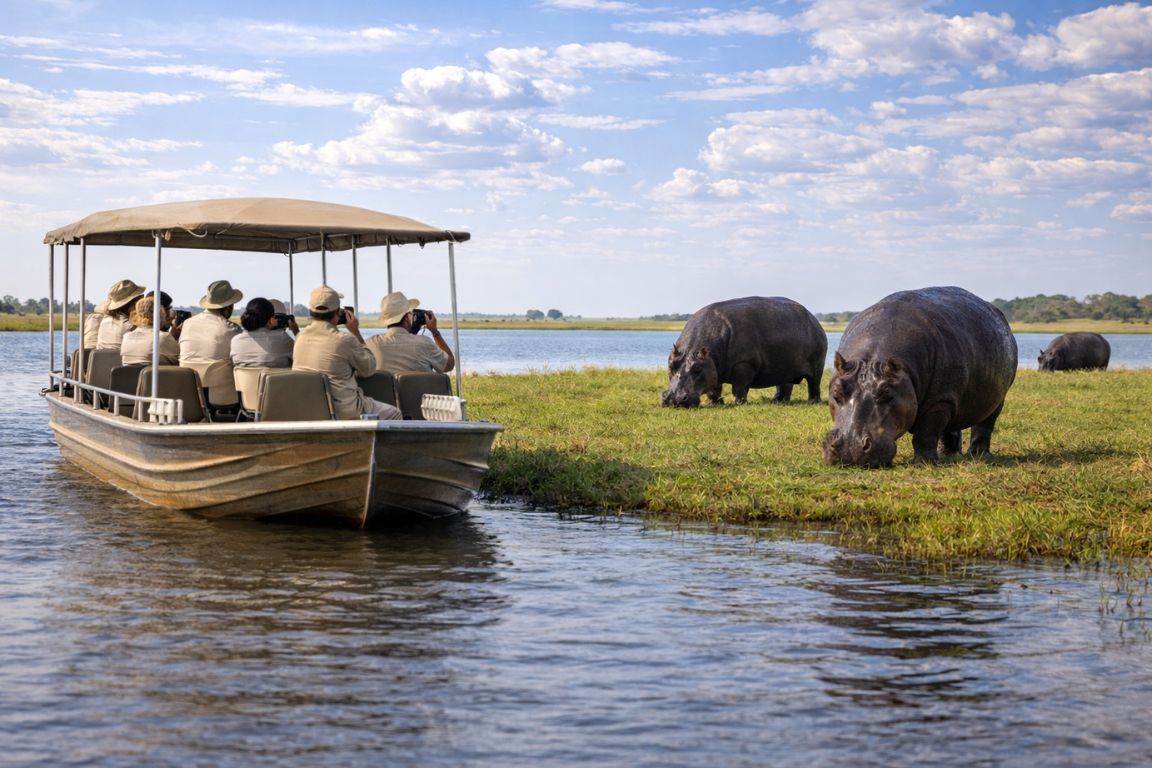
1 day provides single activity (either game drive OR boat cruise) lasting 2.5-3 hours during midday slot when wildlife is least active. Most operators offer boat cruises as default single activity showing elephants at river, hippos, and crocodiles guaranteed even during brief time, though some provide game drives seeing terrestrial species at cost of missing river wildlife entirely. Extremely rushed schedules occasionally squeeze both activities into compressed timeline departing 6am and returning 2pm, though quality suffers dramatically with 45-minute activities replacing proper 2.5-3 hour sessions and exhausted travelers unable to appreciate rushed encounters.
The single activity limitation forces choosing between experiencing Chobe’s unique river safari or traditional land-based game viewing, missing the combination that makes Chobe special versus landlocked parks. No lodge overnight means missing bush atmosphere, African night sounds, and peaceful mornings watching elephants from breakfast decks that create memorable safari experiences beyond simple animal sightings.
2 days delivers 2 game drives and 2 boat cruises providing complete activity cycle experiencing both land and water perspectives. Typical structure includes afternoon activity (game drive or boat cruise) upon arrival day 1, morning activity day 2 doing whichever wasn’t done afternoon previous day, midday second boat cruise or game drive completing cycles, then afternoon departure. The four activities cover morning and afternoon wildlife viewing windows when animals are most active, riverfront and interior habitats showing different species, and water-based plus vehicle-based viewing creating varied perspectives.
Lodge overnight between activities provides proper safari experience with bush atmosphere, dinner under African stars, night sounds of elephants and hippos near camp, and morning coffee watching sunrise over Chobe River. The overnight component transforms rushed day trip into genuine safari immersion allowing mental shift from vacation tourist mode to connected bush observer mode. Two days feels adequate without excessive time commitment, providing taste of what extended safaris offer while stopping short of comprehensive coverage.
3 days includes 3-4 game drives exploring different park sectors (riverfront concentrate, interior mopane woodlands, floodplain grasslands), 3-4 boat cruises at varied times showing different wildlife patterns, and 2 nights accommodation allowing proper unpacking and settling into lodge rhythms. The extended time permits visiting productive areas multiple times at different hours, exploring new zones if initial areas prove slow, and developing relationships with guides who adjust plans based on your interests and previous day’s successes.
Different park sectors reveal ecological diversity from dense riverine vegetation supporting leopards through open floodplains where buffalo graze to woodland elephants browse, impossible to experience during 2-day riverfront-focused trips. Relaxed pacing includes lodge rest during hot midday hours, processing morning experiences, and avoiding safari fatigue from excessive activity. Three days provides sufficient variety preventing repetition while maintaining engagement, creating balanced experience between doing enough versus doing too much.
4 days extends structure to 4-5 game drives, 4-5 boat cruises, 3 nights accommodation, and comprehensive park coverage with relaxed unhurried pacing. The additional day provides weather and luck buffers valuable during shoulder seasons when conditions vary, allows revisiting particularly productive areas at optimal times, and creates breathing room preventing exhaustion. Full activity cycles mean attempting lions multiple times if initial encounters disappoint, searching leopard territories repeatedly improving odds, and covering different zones morning and afternoon across several days.
Comprehensive coverage includes riverfront elephants and water species, interior predators and plains game, floodplain buffalo herds, and woodland browsers across varied habitats representing Chobe’s full ecological spectrum. Relaxed pace suits families with children needing downtime, photographers wanting flexible schedules for optimal light, and travelers preferring quality over quantity avoiding jam-packed rushed itineraries. Four days particularly appeals to serious wildlife enthusiasts wanting thorough experiences without extending into diminishing returns territory that longer stays encounter.
5-7 days delivers 8-12+ activities allowing extensive coverage including remote Savuti marsh area or exclusive Linyanti concessions requiring full-day excursions or multi-night satellite camps. Varied experiences beyond standard game drives and boat cruises include full-day safaris with picnic lunches exploring distant areas, walking safaris where available providing ground-level perspectives, night drives in private concessions observing nocturnal species, and specialized photography sessions at optimal times and locations.
Remote areas inaccessible during shorter trips showcase different wildlife concentrations and habitats, with Savuti’s seasonal marsh attracting predators and Linyanti’s exclusive concessions providing private viewing without tourist crowds. Flexible scheduling allows adjusting daily plans based on conditions, weather, and previous successes rather than fixed predetermined itineraries, with morning activities extending when productive sightings occur or afternoon sessions starting early when heat moderates. The extended time suits photographers building comprehensive portfolios, naturalists studying behaviors, and visitors making Chobe primary destination rather than brief Victoria Falls add-on.
Activity variety across durations shows significant differences beyond simple number counts. Morning game drives departing 6-6:30am capitalize on peak wildlife activity as animals emerge from nighttime rest, cool comfortable temperatures, and optimal photography light, while afternoon drives from 3-3:30pm capture predators waking, elephants arriving at river, and spectacular sunset conditions. Different zones each day prevent repetition with riverfront morning followed by interior afternoon, or floodplain focus one day and woodland concentration next day maintaining interest.
Full-day safari options during extended stays explore remote areas impossible to reach during standard 3-hour drives, with 8-10 hour excursions including picnic lunches at scenic spots and comprehensive coverage of distant Savuti or Linyanti regions. The activity variety creates rhythm alternating active viewing with lodge relaxation, different perspectives from water versus land, and varied habitats from permanent river through seasonal marsh to dry woodland preventing monotony that same-location repeated activities produce.
| Duration | Total Activities | Game Drives | Boat Cruises | Nights | Park Sectors Covered | Activity Variety | Typical Schedule |
|---|---|---|---|---|---|---|---|
| 1 Day | 1 activity | 1 OR 0 | 0 OR 1 | 0 | Riverfront only | None – single activity | Midday 2.5-3 hours, no morning/afternoon prime times |
| 2 Days | 4 activities | 2 | 2 | 1 night | Riverfront + limited interior | Basic – morning/afternoon, land/water | Afternoon arrival activity, full morning day 2, midday departure activity |
| 3 Days | 6-8 activities | 3-4 | 3-4 | 2 nights | Riverfront + interior + floodplains | Good – varied times/zones/perspectives | Afternoon day 1, full days 2, morning day 3 |
| 4 Days | 8-10 activities | 4-5 | 4-5 | 3 nights | Comprehensive coverage all sectors | Excellent – relaxed, flexible, varied | Afternoon day 1, full days 2-3, morning day 4 |
| 5-7 Days | 12-18+ activities | 6-10 | 6-8+ | 4-6 nights | All sectors + remote Savuti/Linyanti | Maximum – full-day trips, night drives, walks, specialized sessions | Flexible daily schedules, remote area excursions, specialized activities |
Cost Analysis: Value by Duration
Per-day cost decreasing with longer stays creates counterintuitive pricing where extended safaris cost less daily than brief trips. One-day trips charge $150-250 per day for single activity with no accommodation, 2-day safaris run $150-300 per person per day including lodging and four activities, while 3-4 day packages drop to $300-400 daily and 5-7 day extended stays achieve $285-400 per day including comprehensive coverage and premium lodges. The declining per-day rates reflect fixed costs (transfers, park entry fees, guide time) spreading across more days, package deal incentives encouraging longer bookings, and operational efficiencies for operators managing multi-day guests versus constant turnover.
The pricing structure means booking 3 separate 1-day trips costs $450-750 total for three single activities, while single 3-day package covering 6-8 activities plus accommodation and meals runs $900-1,600 total, delivering dramatically more value despite higher absolute cost. Smart travelers recognize apparent day trip “savings” disappear when calculating per-activity costs and experience quality, with multi-day packages representing far superior value propositions. Lodge rates similarly decrease with extended stays as properties offer night 3-4 discounts incentivizing longer commitments, while activity operators provide bulk pricing for multiple game drives and boat cruises booked together.
Budget breakdown by duration shows how costs distribute across components. Two-day budget safaris totaling $300-450 per person allocate $80-120 to Kasane town accommodation (2 nights), $160-200 to activities (2 game drives, 2 boat cruises), $40-60 to meals (dinner, breakfast, lunch), $50-70 to park entry fees (2 days), and $20-40 to transfers. Mid-range 2-day trips at $450-600 increase accommodation to $150-250 for riverfront lodges, maintain similar activity costs, and include more comprehensive meal packages with drinks.
Three-day mid-range safaris at $900-1,200 break down as $300-400 accommodation (2 nights), $300-400 activities (6-8 outings), $120-180 meals, $100-140 park fees (3 days), and $80-120 transfers and logistics. Four-day trips at $1,200-1,600 add $300-400 for additional night, activities, meals, and fees, while 5-7 day extended safaris multiply base costs across duration reaching $2,000-5,000+ depending on accommodation level and remote area excursions requiring specialized camps.
Package savings compared to booking components separately deliver 15-25% overall cost reductions. Three-day packages bundling accommodation, activities, meals, fees, and transfers for $900-1,200 cost significantly less than booking equivalent components individually: $300-400 lodging, $400-500 activities booked separately, $150-200 meals at restaurants, $100-140 park fees, and $100-150 transfers totaling $1,050-1,390 when purchased piecemeal. Four-day packages saving 20-25% versus individual bookings provide even greater advantages as bulk discounts increase with duration.
Multi-day packages also eliminate booking complexity, payment hassles across multiple vendors, coordination headaches ensuring activities align with accommodation schedules, and risks of sold-out activities or lodges when booking last-minute. The convenience value of single package bookings covering everything adds intangible benefits beyond pure cost savings, particularly valuable for international travelers unfamiliar with local operators and logistics. Package deals typically include better quality operators and lodges than budget DIY bookings cobble together, improving overall experience quality alongside cost savings.
We’ve created a detailed safari packing list in Chobe tours so you show up with the right clothes, camera gear, and essentials without overpacking.
Marginal cost analysis shows diminishing incremental expenses adding successive days. Moving from 2 to 3 days adds $600-800 marginal cost (accommodation, 2-3 activities, meals, fees) for significant wildlife variety improvement and relaxed pacing benefits. Extending 3 to 4 days costs additional $300-500 marginal expense providing weather/luck buffers, comprehensive coverage, and quality-of-life improvements through relaxed scheduling. The 3-to-4 day marginal cost represents excellent value as per-day rates decrease while benefits remain substantial.
Extending 4 to 5-7 days shows higher marginal costs of $400-600 per additional day with diminishing benefit returns as wildlife variety plateaus and experiences begin repeating. Days 5-7 add primarily photography opportunities, rare species patience, and behavioral observation depth rather than new species encounters or dramatically different experiences. The marginal value assessment suggests 4 days represents optimal stopping point for most travelers, with additional days justifiable only for specific photography or rare species goals rather than general improved experiences.
Value assessment considering cost per wildlife sighting and experience quality rather than just daily rates reveals true value propositions. One-day trips at $150-250 for 8-12 species equate to $12-30 per species sighting with minimal experiential quality, 2-day safaris at $300-600 covering 15-20 species drop to $15-40 per species with proper safari atmosphere, and 3-4 day trips at $900-1,600 showing 25-40 species achieve $22-64 per species alongside comprehensive immersive experiences. The per-species cost metric shows 3-4 days optimizing value through maximum diversity before plateau effects diminish marginal returns.
Experience quality assessment considering bush immersion, guide relationships, lodge atmosphere, and overall safari depth shows multi-day packages delivering exponentially better value than day trips despite higher absolute costs. Two days provides 4x the activities of day trips at just 2x the cost representing 100% value improvement, while 3-4 days deliver 6-10x activities at 3-5x cost showing 80-100% superior value propositions. The value analysis confirms 3-4 days as sweet spot maximizing cost-effectiveness while 5-7 days appeal only when value metrics become secondary to completeness goals.
| Duration | Budget (Per Person) | Mid-Range (Per Person) | Luxury (Per Person) | Cost Per Day (Mid-Range) | Marginal Cost Adding 1 Day | Value Rating (1-10) |
|---|---|---|---|---|---|---|
| 1 Day | $150-250 | $200-250 | N/A (day trips don’t have luxury options) | $200-250 | N/A | 3/10 – Poor value, rushed |
| 2 Days | $300-450 | $450-600 | $800-1,200 | $225-300 | $250-350 from 1 day | 7/10 – Good value, adequate |
| 3 Days | $600-900 | $900-1,200 | $1,500-2,400 | $300-400 | $450-600 from 2 days | 9/10 – Excellent value, optimal |
| 4 Days | $800-1,200 | $1,200-1,600 | $2,000-3,200 | $300-400 | $300-400 from 3 days | 9/10 – Excellent value, comprehensive |
| 5 Days | $1,000-1,500 | $1,500-2,000 | $2,500-4,000 | $300-400 | $300-400 from 4 days | 7/10 – Moderate value, diminishing returns |
| 6-7 Days | $1,200-2,100 | $1,800-2,800 | $3,000-7,000 | $300-400 | $300-600 per additional day | 6/10 – Fair value, repetitive for most |
FAQ: Chobe Safari Duration
1. How many days do you need in Chobe National Park?
Minimum 2 days (1 night) for adequate introduction with 2 game drives and 2 boat cruises. Optimal 3-4 days for most visitors balancing comprehensive wildlife variety with reasonable time and budget. Five to seven days only for serious photographers or wildlife enthusiasts, as species variety plateaus day 4-5 and experiences become repetitive.
2. Is 2 days enough for Chobe?
Yes, 2 days provides adequate introduction with elephants 95-99% guaranteed, lions 40-50% probable, and essential safari experiences including overnight bush atmosphere. Limitations include no second chances if conditions disappoint, minimal park sector variety, and incomplete coverage compared to 3-4 day trips. Works well when combining with Victoria Falls or on tight budgets/schedules.
3. Can you do Chobe in one day?
Technically yes as day trip from Victoria Falls, but extremely rushed and disappointing. Involves 4am wake-up, border crossing delays, single 2.5-hour activity, and 7pm return exhausted. You’ll see elephants but miss sunrise/sunset magic, bush atmosphere, and comprehensive wildlife viewing. Always choose 2+ day overnights if remotely feasible.
4. What’s better – 2 days Chobe or 3 days?
Three days significantly better, adding 50% more activities ($450-600 marginal cost) for dramatically improved wildlife variety (lions 70% vs 40-50%, leopards 25-30% vs 10-15%), different park sectors, relaxed pacing, and second chances if initial attempts disappoint. The upgrade represents one of the best value improvements in safari planning.
5. Is 5 days in Chobe too long?
For most visitors yes, as wildlife variety plateaus day 4-5 with subsequent encounters repeating previously-seen species. Extended stays work for serious photographers needing multiple golden hours, rare species pursuers (wild dogs, cheetahs), or visitors making Chobe primary destination. Most travelers prefer splitting time between Chobe and other parks for variety.
6. What can you see in 3 days in Chobe?
Elephants 99% guaranteed (150-400 animals total), lions 70-75% likely, leopards 25-30% moderate odds, buffalo 85-90%, full plains game spectrum (kudu, giraffe, zebra, waterbuck, impala), hippos and crocodiles 99% on boat cruises, 80-120 bird species, and comprehensive coverage of Chobe’s riverfront and interior habitats.
7. How many game drives should I do in Chobe?
Minimum 2 game drives (2-day safari) for adequate introduction. Optimal 3-4 game drives (3-4 day safari) covering different times and areas, improving lion/leopard odds significantly. Combine with equal number of boat cruises experiencing Chobe’s unique river safari advantage. Six to ten total activities (game drives + boat cruises) across 3-4 days provides comprehensive coverage.
Glossary: Chobe Duration Terms
Day Trip vs Overnight Safari: Day trip involves single-day visit from Victoria Falls with one activity (2.5 hours) and same-day return, no accommodation. Overnight safari includes multiple days with accommodation, varied activities (game drives and boat cruises), and proper bush immersion. Overnight always superior despite higher cost.
Safari Package: Multi-day bundled offering including accommodation, game drives, boat cruises, meals, park fees, and transfers in single price. Packages provide 15-25% savings versus booking components separately, plus simplified logistics and guaranteed activity coordination.
Game Drive vs Boat Cruise: Game drive explores park interior in open 4×4 vehicles seeing terrestrial wildlife (elephants, predators, plains game) during 3-4 hour sessions. Boat cruise along Chobe River views water species (hippos, crocodiles, swimming elephants) from stable platforms during 2-3 hour outings. Both essential for complete Chobe experience.
Diminishing Returns: Economic concept where additional safari days add progressively less value as wildlife variety plateaus and experiences repeat. Days 1-4 show increasing value, days 5-7 deliver marginal improvements for most travelers, making 3-4 days optimal before diminishing returns reduce cost-effectiveness.
Per-Day Cost: Total safari price divided by number of days showing daily expenditure rate. Decreases with longer stays as fixed costs (transfers, park fees) spread across more days. One-day trips cost $200-250 daily, while 4-day safaris drop to $300-400 daily despite higher total cost.
Wildlife Variety Plateau: Point where additional safari days stop revealing new species as common animals have been encountered. Occurs around day 4-5 in Chobe with subsequent days showing repeat sightings rather than additions to species lists, marking optimal stopping point for most travelers.
Activity Cycle: Complete round of different safari activities (morning game drive, afternoon boat cruise, evening drive, etc.) providing varied perspectives and times. One full cycle typically spans 24 hours, with 2-3 cycles (2-3 days) providing adequate variety and 4+ cycles becoming repetitive.
Split Itinerary: Multi-destination trip dividing time between Chobe and other locations (Victoria Falls, Okavango Delta, etc.) rather than single-destination extended stay. Provides destination variety preventing monotony, typical splits include 2-3 days Chobe plus 2-3 days Victoria Falls for balanced 5-6 day southern Africa trips.
Ready to Plan Your Chobe Safari Duration?
Optimal Chobe duration balances wildlife variety, budget, and diminishing returns: book minimum 2 days (1 night) for adequate introduction with 4 activities and proper bush atmosphere, choose ideal 3-4 days for comprehensive coverage with lions 70-80% likely and leopards 30-40% probable while avoiding repetition, or commit to 5-7 days only if you’re serious photographer, rare species pursuer, or making Chobe your primary destination rather than Victoria Falls add-on. Day trips from Victoria Falls deliver rushed incomplete experiences worth avoiding when any overnight option exists, while extensions beyond 4-5 days produce diminishing returns as wildlife variety plateaus and experiences repeat.
If you are weighing a 3-day stay against a longer circuit, start with the 3-Day Chobe Safari Tour from Livingstone/Victoria Falls and compare dates against your Victoria Falls plans. Compare an overnight camping safari with the 3-day safari from Livingstone or Victoria Falls to see which length fits your time and budget.
At Chobe Tours, we’ve operated safaris ranging from frantic single-day rushes through leisurely two-week stays over many years, understanding exactly when additional days add genuine value versus when you’re paying for repetitive experiences. For the 3–4 day range this page recommends, see the 3-Day Chobe Safari Tour from Livingstone/Victoria Falls rather than defaulting to a longer package.
Contact Chobe Tours at chobetours.com for duration planning helping you choose optimal length balancing your available time, budget, wildlife priorities, and travel companions’ interests, ensuring you book the right amount of time rather than too little leaving disappointed or too much feeling bored.
Two days provides adequate minimum. Three to four days delivers optimal balance. Five to seven days works only for specific goals. The question is understanding your priorities and constraints to choose duration maximizing satisfaction without wasting time or money on excessive days producing repetitive experiences.
From the guides at Chobe Tours who’ve run everything from exhausting 1-day Victoria Falls rushes seeing 50 elephants in 2.5 hours, through perfect 3-day trips with relaxed comprehensive coverage, to week-long photography safaris where guests admitted feeling “done” by day 5, across thousands of safaris helping visitors choose optimal duration for their individual situations rather than one-size-fits-all recommendations.