Safari Packing List for Chobe National Park
What should you really pack for a Chobe safari? This practical guide covers clothing, luggage limits, heat vs cool mornings, must-haves, and common packing mistakes to avoid.
Last updated: March 10, 2026
Tourists arriving in Chobe frequently make opposite packing mistakes, either overpacking three checked bags with unnecessary items resulting in excess baggage fees at small aircraft check-in, or arriving unprepared with bright white clothing, flip-flops as only footwear, and forgotten medications creating preventable problems. Some visitors pack designer safari outfits never realizing basic khaki shirts work identically, while others bring completely wrong items like formal evening wear, heavy books, and winter coats for 95°F (35°C) October afternoons. The confusion stems from lack of safari experience combined with contradictory online advice, neither addressing Chobe’s specific requirements including strict 15-20kg soft luggage limits, dramatic temperature swings from 50°F (10°C) dawn to 105°F (41°C) afternoon requiring layering, and dusty conditions demanding equipment protection.
At Chobe Tours, we’ve helped thousands of visitors understand exactly what to pack and what to leave home, knowing which items prove essential versus unnecessary and what forgotten items can be purchased locally versus requiring advance preparation. This complete packing guide covers clothing essentials explaining neutral colors and layering strategies, camera equipment protecting against dust, sun protection and health items including malaria medication, travel documents and money, luggage considerations meeting strict weight limits, and seasonal variations distinguishing cool May-June from extreme October heat. We provide practical wisdom eliminating guesswork about what belongs in bags and what stays home, helping you arrive properly prepared without overpacking.
Essential Packing List Overview
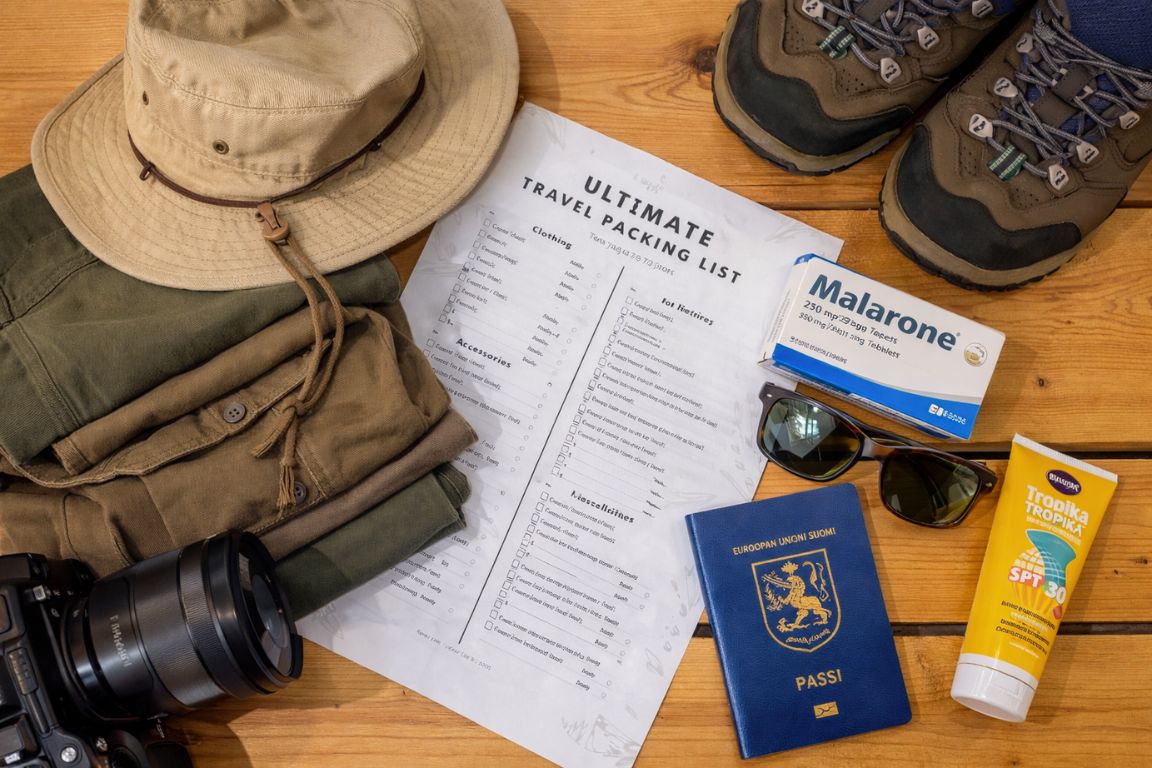
Must-have essentials include neutral-colored clothing (khaki, olive, brown shirts and pants) avoiding bright whites or patterns that disturb wildlife, comprehensive sun protection (SPF 50+ sunscreen, wide-brim hat, polarized sunglasses), camera equipment with telephoto lens and extra batteries if photographing seriously, prescription medications plus malaria prophylaxis, and travel documents (passport valid 6+ months, visas if required, travel insurance). These core items cannot be compromised or forgotten without significantly impacting safari quality, with neutral clothing ensuring proper wildlife viewing, sun protection preventing burns during hours of exposure, medications maintaining health in remote areas, and documents enabling smooth entry and emergency assistance.
Luggage limits strictly enforce soft-sided bags only as small charter aircraft connecting lodges cannot accommodate hard suitcases, with weight restrictions of 15-20kg (33-44 lbs) per person rigorously applied at check-in. Duffel bags, soft backpacks, or wheeled soft luggage meet requirements, while standard hard-shell suitcases get rejected requiring repacking into provided bags or leaving items behind. The weight limits mean strategic packing becomes essential, prioritizing versatile items serving multiple purposes and eliminating unnecessary duplicates or luxury items adding weight without corresponding value.
Seasonal variations dramatically affect packing with dry season (May-October) requiring layering for cool morning starts at 50-65°F (10-18°C) warming to 75-85°F (24-29°C) afternoons, making light jackets or fleeces essential for dawn game drives. Wet season (November-April) demands waterproof rain jacket and quick-dry clothing as afternoon thunderstorms arrive regularly, though overall warmer temperatures reduce layering needs. October specifically needs minimal clothing for brutal 95-105°F (35-41°C) afternoon heat but light layers for moderate 65-75°F (18-24°C) mornings, while June-July requires genuine warm jacket for cold 45-60°F (7-16°C) dawn temperatures.
Practical recommendation encourages packing approximately 50% of what first-time safari visitors initially consider necessary, with laundry services available at virtually all Chobe lodges allowing washing clothes mid-trip rather than bringing week-long supply of everything. The laundry approach means packing 3-4 shirts and 2-3 pants proves adequate for week-long trips rather than daily outfit changes, significantly reducing luggage weight and volume. Focus on quality versatile neutral items serving multiple purposes rather than quantity of specialized single-use clothing, with layers managing temperature variations more effectively than packing separate outfits for different conditions.
Planning your first African safari? Here’s how to plan a safari in Chobe tours so you get the experience right without overspending.
| Item Category | Essential (Must Pack) | Recommended (Should Pack) | Optional (Nice to Have) |
|---|---|---|---|
| Clothing | 3-4 neutral shirts, 2-3 pants, underwear, light jacket | Long-sleeve options, extra layers, hat | Rain jacket (dry season), swimsuit |
| Footwear | Closed comfortable shoes, casual sandals | Broken-in walking shoes/boots | Second pair shoes |
| Sun Protection | SPF 50+ sunscreen, sunglasses, lip balm | Wide-brim hat with strap, after-sun lotion | Extra sunscreen bottle |
| Camera | Camera body, basic lens (if photographer) | Telephoto 100-400mm, extra batteries 3-4, memory cards 128GB+ | Wide-angle lens, cleaning kit, beanbag |
| Binoculars | None (many lodges provide) | 8×42 or 10×42 personal pair | Premium binoculars $500+ |
| Electronics | Phone charger, Type M adapter | Power bank, headlamp, camera charger | E-reader, tablet |
| Health | Prescription meds, malaria pills, basic first aid | Insect repellent 30-50% DEET, hand sanitizer | Extended first aid kit |
| Documents | Passport, travel insurance, booking confirmations | Photocopies stored separately | Driver’s license (self-drive) |
| Money | Credit cards, $100-200 USD cash for tips | Additional cash $200-300, local pula | Money belt |
| Toiletries | Travel-size basics, personal medications | Wet wipes, tissues, moisturizer | Full toiletry kit (lodges provide basics) |
| Luggage | Soft duffel or backpack under 20kg | Small daypack for activities | Packing cubes, compression bags |
| Accessories | None absolutely required | Scarf/buff for dust, zip-lock bags | Field guide books, notebook, clothesline |
Clothing Essentials: What to Wear
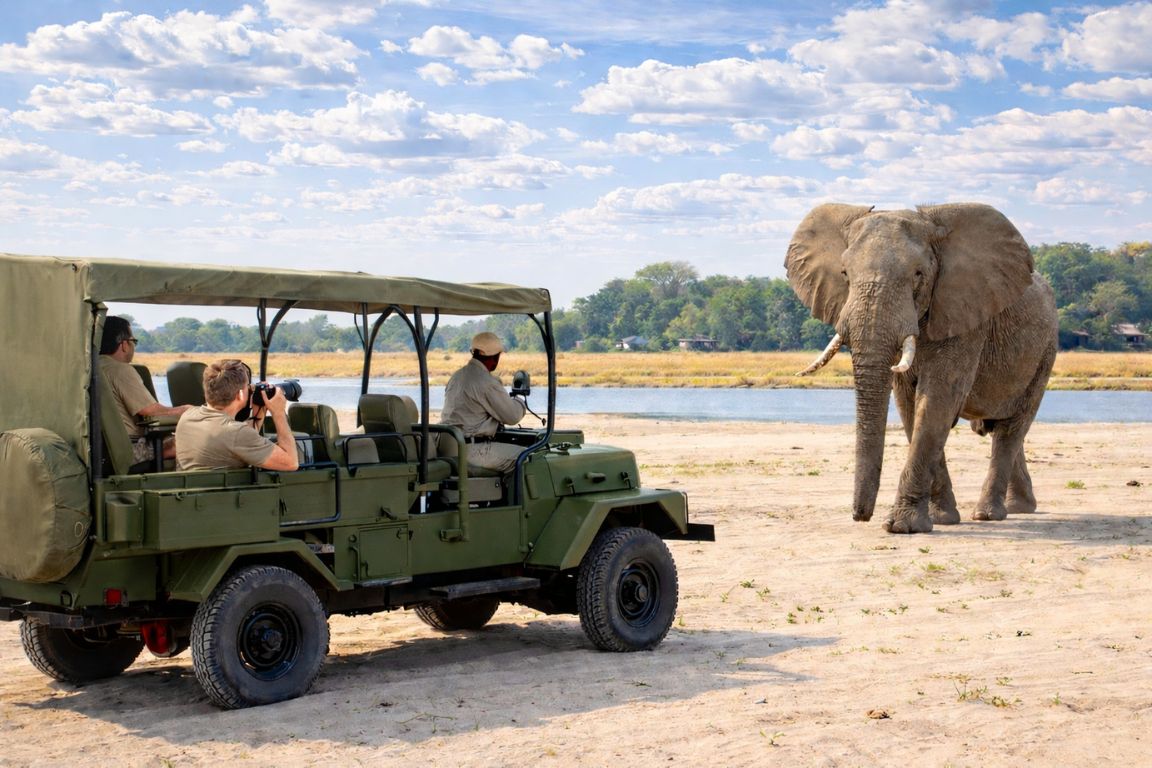
Color requirements mandate neutral earth tones including khaki, olive green, brown, tan, and beige that blend naturally with bush environments and avoid alarming wildlife with unnatural bright hues. Bright colors particularly white, red, blue, neon, and bold patterns stand out dramatically in natural settings potentially disturbing animals and definitely distracting other passengers trying to photograph wildlife without human elements in frames. Camouflage clothing proves problematic as it’s illegal in some African countries where military associations create security concerns, with border officials potentially confiscating camo items or denying entry. The neutral requirement applies to all visible clothing including shirts, pants, hats, and even socks since everything shows in open safari vehicles, with only undergarments and sleepwear exempt from color restrictions.
Core items center on 3-4 lightweight long-sleeve shirts providing sun protection and insect defense while remaining cool in heat, with long sleeves preventing painful sunburns on arms during hours of direct exposure and reducing mosquito bites during dawn/dusk when insects are active. Two to three pairs of lightweight neutral pants offer adequate coverage with laundry services available mid-trip, with convertible zip-off pants providing versatility converting to shorts during extreme heat though full-length remains preferable for sun and insect protection. Light jacket or fleece proves essential for cool morning game drives starting 50-65°F (10-18°C), with passengers bundled against dawn chill then shedding layers progressively as temperatures rise. The minimal core wardrobe of 3-4 shirts and 2-3 pants through strategic laundry use keeps luggage light while providing fresh clean clothes throughout trips.
Layering importance addresses dramatic Chobe temperature swings from frigid 50-65°F (10-18°C) morning starts requiring jackets and long sleeves through comfortable 70-75°F (21-24°C) mid-morning when layers shed to moderate 75-85°F (24-29°C) afternoon heat. The layering system works through base layer (long-sleeve shirt), mid-layer (light fleece or long-sleeve overshirt), and outer layer (windbreaker or light jacket) allowing progressive removal as sun rises and temperatures climb 30-35°F (17-19°C) during typical 3-4 hour morning drives. Afternoon drives face opposite pattern starting hot 85-95°F (29-35°C) requiring minimal clothing then cooling to pleasant 70-80°F (21-27°C) by sunset when light layers become comfortable again. October specifically demands lightest possible clothing for brutal 95-105°F (35-41°C) afternoon peaks while maintaining light jacket for moderate 65-75°F (18-24°C) morning starts.
Evening wear for lodge dinners requires just 1-2 casual smart-casual outfits as Chobe maintains relaxed atmosphere without formal dress codes, with clean neutral pants or skirt plus collared shirt or blouse proving adequate. Lodges accommodate safari casual meaning no suits, ties, dresses, or formal wear expected or needed, with same neutral safari clothing worn during day acceptable for evening if clean and presentable. Some visitors pack single slightly nicer outfit for evening variety, though most simply wear cleanest safari clothes to dinner without anyone caring or noticing. Avoid packing formal wear, excessive evening outfits, or dress shoes as they waste precious luggage weight serving no purpose in bush safari environment.
Practical recommendation favors modern moisture-wicking synthetic fabrics or merino wool over traditional cotton, as technical fabrics dry quickly allowing overnight washing and morning wear, wick sweat keeping skin drier in heat, and weigh less in luggage. Cotton absorbs moisture staying wet longer, takes extended time drying in humid conditions, and provides less effective temperature regulation than technical alternatives. The quick-dry advantage proves particularly valuable for hand-washing items in rooms or using lodge laundry with same-day turnaround, versus cotton requiring 24+ hours drying. Merino wool specifically excels for layering through natural odor resistance allowing multiple wears between washing, excellent temperature regulation, and comfortable feel against skin.
| Clothing Item | Quantity | Type/Specifications | Purpose | Priority |
|---|---|---|---|---|
| Long-Sleeve Shirts | 3-4 | Lightweight, neutral colors, moisture-wicking | Sun/insect protection, core wardrobe | Essential |
| Pants | 2-3 | Lightweight, neutral, quick-dry, convertible optional | Daily wear, sun protection | Essential |
| Light Jacket/Fleece | 1 | Packable, neutral, windproof | Cool mornings 50-65°F (10-18°C) | Essential |
| Underwear | 5-7 pairs | Quick-dry preferred | Daily wear, hand-wash capability | Essential |
| Socks | 4-6 pairs | Moisture-wicking, comfortable | Daily wear with closed shoes | Essential |
| Short-Sleeve Shirts | 1-2 | Neutral, quick-dry | Hot afternoons, variety | Recommended |
| Shorts | 1 | Neutral, lodge wear only | Evening lodge relaxation | Optional |
| Evening Casual | 1-2 outfits | Clean neutral, smart-casual | Lodge dinners, variation | Recommended |
| Swimsuit | 1 | Any style | Lodge pools | Optional |
| Warm Layers | 1 | Fleece or down vest | June-July cold mornings only | Seasonal |
| Rain Jacket | 1 | Waterproof, packable | Wet season essential, dry season windbreaker | Seasonal |
| Windbreaker | 1 | Lightweight, packable | Wind/dust protection, light rain | Recommended |
Footwear, Sun Protection, and Health Essentials
Footwear requires closed comfortable walking shoes or light hiking boots as primary footwear for game drives and activities, providing ankle support, toe protection from thorns and rocks, and secure grip during brief vehicle exits at bush stops. Casual sandals or flip-flops serve exclusively for lodge wear during evening relaxation and pool time, never for safari activities where exposed feet face thorns, biting insects, uneven terrain, and potential encounters requiring quick movement. New unbroken shoes create painful blisters during first wear making them dangerous choices for safari, with all footwear requiring breaking in at home through multiple wears before packing. Bring single pair of primary closed shoes plus one pair of sandals, avoiding multiple shoe options that consume precious luggage weight without adding value since you’ll wear same comfortable pair throughout trip.
Not sure what to expect? I’ve got the game drive experience explained in Chobe tours so you know exactly how it works before you book.
Sun protection starts with SPF 50+ broad-spectrum sunscreen protecting against intense African sun during hours of vehicle exposure, requiring 200ml+ bottles for week-long trips and application every 2-3 hours as dust and sweat reduce effectiveness. Wide-brim hats with chin straps prevent wind loss during moving vehicles while providing face and neck shade that baseball caps cannot deliver, with straps essential as hats without them blow off immediately at 40 km/h vehicle speeds. Polarized sunglasses reduce glare from bright sun particularly when viewing across open floodplains or water surfaces while protecting eyes from dust, with UV protection critical and secure straps preventing loss. Lip balm with SPF 30+ prevents painful chapped cracked lips from constant sun and wind exposure affecting many visitors who neglect this small but important detail, with reapplication throughout day necessary.
Insect protection centers on 30-50% DEET repellent for mosquitoes particularly during dawn and dusk when insects are most active, with higher concentrations providing longer-lasting protection in malaria-endemic areas. Antimalarial medication proves absolutely essential for Chobe visits as the park sits in malaria zone with year-round transmission risk, requiring consultation with doctor or travel clinic 4-6 weeks before departure for prescription and starting medication on schedule. The medication choice (Malarone, doxycycline, mefloquine) depends on personal health factors and doctor recommendations, with consistent daily dosing critical throughout trip and specified period after returning home. Never skip malaria prophylaxis assuming brief visits or dry season eliminates risk, as single mosquito bite can transmit disease with potentially fatal consequences.
Basic first aid includes sufficient supply of all prescription medications plus extras in case of delays or lost luggage, kept in carry-on bags never checked luggage to prevent separation. Over-the-counter essentials cover pain relievers (ibuprofen, acetaminophen) for headaches or minor aches, anti-diarrheal medication for upset stomachs common when traveling, antihistamines for allergic reactions, and basic band-aids for cuts or blisters. Hand sanitizer in 100ml+ bottles proves invaluable for cleaning hands after bush stop bathroom breaks and before meals when soap and water unavailable, with alcohol-based formulas most effective. Store first aid items in clear zip-lock bags protecting from dust and making airport security screening easier, with critical medications documented through copies of prescriptions if questioned.
Temperature gear for managing cool mornings includes light fleece or windbreaker layering over long-sleeve shirts when temperatures drop to 50-65°F (10-18°C) at dawn, with ability to shed layers progressively as morning warms essential. Scarf or buff provides multi-purpose dust protection during particularly dry windy conditions when dust clouds from moving vehicles coat everything, plus additional warmth wrapped around neck during cold starts, and sun protection covering neck and lower face. The versatile scarf/buff proves surprisingly useful across varied situations from dust storms through cold mornings to sun exposure, weighing almost nothing in luggage while serving multiple protective functions throughout trip.
Camera Equipment and Photography Gear
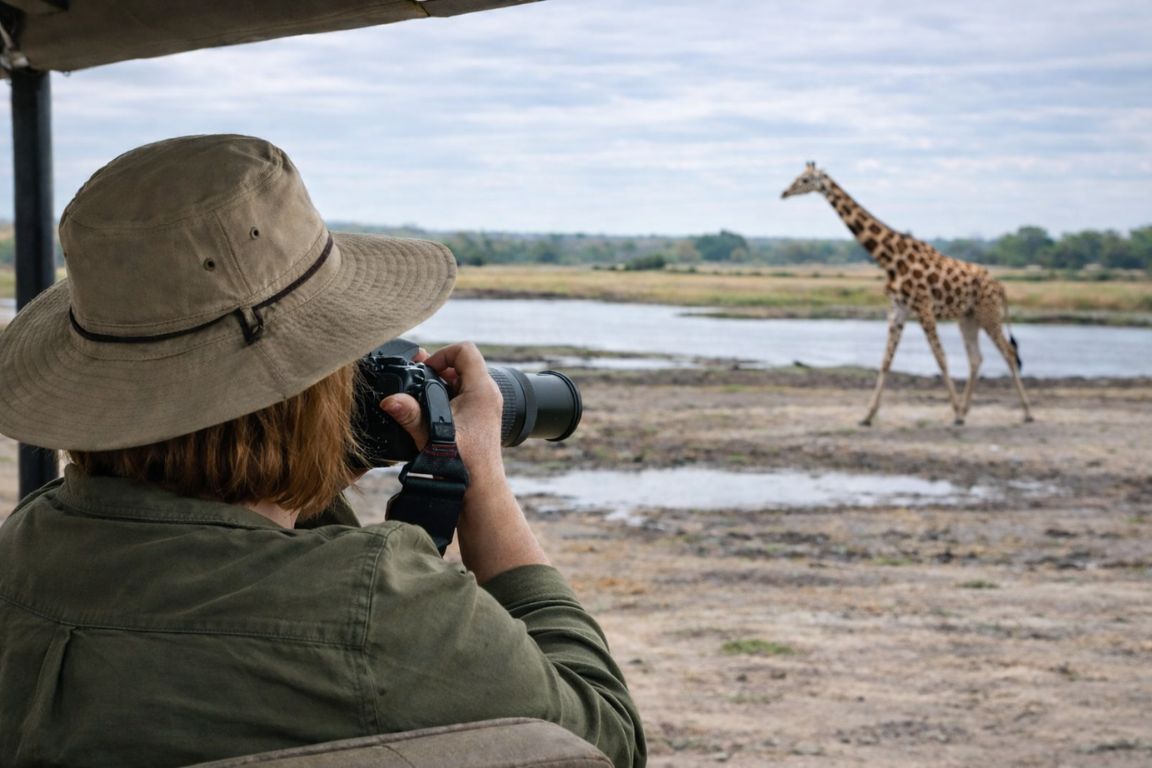
Camera essentials for serious wildlife photography center on DSLR or mirrorless camera body with manual controls, telephoto zoom lens in 100-400mm or 150-600mm range covering distances from nearby elephants to distant predators, and optional 24-70mm wide-angle lens for environmental shots and landscape contexts. The telephoto lens proves absolutely critical as wildlife maintains safe distances making shorter lenses inadequate for frame-filling images, with 100-400mm representing minimum useful range and 150-600mm providing superior reach for skittish species. Camera bodies require full battery charge plus readiness for extensive shooting during productive wildlife encounters, with image quality from modern cameras mattering less than lens reach and photographer skill anticipating moments.
Critical accessories include 3-4 extra batteries minimum as they drain faster in temperature extremes (both heat and cold) and extensive shooting depletes charge quickly, with morning drives alone consuming 1-2 batteries during active wildlife encounters. Memory cards totaling 128GB+ capacity across multiple cards prove safer than single large card, preventing complete photo loss if card fails or corrupts, with 64GB cards in 2-3 units providing redundancy. Lens cleaning cloth and blower bulb remove relentless dust accumulating on lens elements throughout drives, with microfiber cloths specifically designed for optics preventing scratches unlike shirts or tissues. Camera bag with dust-proof design and padding protects equipment during bumpy vehicle travel, fitting under seats within easy reach versus roof storage risking damage or theft.
Casual photographers achieve perfectly adequate results using modern smartphones with quality cameras and 3-5x optical zoom, particularly iPhone 13+ or equivalent Android flagship models capturing excellent images for personal memories and social media. Basic point-and-shoot cameras or entry-level DSLRs with kit lenses (18-55mm) provide marginal improvement over phones but lack telephoto reach for distant wildlife, making them questionable investments versus using existing smartphone. The casual approach eliminates equipment hassles, reduces luggage weight, minimizes dust protection concerns, and allows focusing on safari experience rather than technical photography, with smartphone images proving surprisingly good for most purposes.
Serious photographers require comprehensive kit including camera body, 100-400mm or 150-600mm telephoto as primary lens, 24-70mm wide-angle for variety, 6+ spare batteries ensuring never missing shots from dead batteries, extensive memory card supply, complete cleaning kit, and beanbag providing stable platform in bouncing vehicles superior to tripods. The beanbag (or rice-filled sock) molds to vehicle window frames and door edges creating remarkably stable camera support despite vehicle vibration, dramatically improving sharpness versus handholding or tripod attempts. Serious photographers should test all equipment before departure, understand camera settings thoroughly, bring lens hoods reducing glare, and pack everything in quality dust-proof camera backpack with individual compartment protection.
A French photographer on 4-day safari meticulously protected his Canon R5 and 150-600mm lens, storing equipment in sealed camera bag between drives, using plastic bags during particularly dusty conditions, cleaning lens elements nightly, and changing lenses only in lodge room never in open vehicle. His gear returned home pristine with thousands of sharp images. Another photographer the same week left Nikon D850 and lenses exposed in vehicle throughout drives, changed lenses in dusty open air at sightings, never cleaned equipment, and stored cameras loosely in daypack. After three days his focusing mechanism jammed from dust infiltration, requiring $800 repairs and missing final day’s photography opportunities entirely.
Planning for photography? Here’s our complete rundown of the animals in Chobe tours so you know which lenses to pack and what behaviors to watch for.
| Photographer Type | Camera Body | Lenses | Batteries | Memory | Accessories | Total Weight | Investment |
|---|---|---|---|---|---|---|---|
| Casual/Smartphone | iPhone or Android flagship | Built-in only | N/A (phone charger) | Phone storage | None required | Under 1kg | $0 extra |
| Basic Enthusiast | Entry DSLR/mirrorless | 18-200mm superzoom | 2 spare | 64GB cards | Basic bag, cleaning cloth | 2-3kg | $800-1,500 |
| Serious Amateur | Mid-range DSLR/mirrorless | 100-400mm telephoto, 24-70mm wide | 3-4 spare | 128GB+ cards | Quality bag, cleaning kit, beanbag | 4-6kg | $3,000-6,000 |
| Professional | Pro body (2 bodies) | 150-600mm, 70-200mm, 24-70mm | 6+ spare | 256GB+ cards | Complete cleaning kit, multiple beanbags, lens hoods, filters | 8-12kg | $8,000-15,000+ |
Binoculars, Electronics, and Adapters
Binoculars in 8×42 or 10×42 configuration provide optimal balance between magnification and stability for handheld vehicle viewing, with 8x offering wider field of view easier for beginners tracking moving animals and 10x providing more detail for experienced users comfortable with narrower fields. Mid-range models at $150-400 deliver excellent clarity and brightness without reaching premium $500-2,000+ prices offering marginal improvements, with brands like Vortex, Bushnell, and Nikon producing quality safari-suitable binoculars in this price range. Many Chobe lodges and operators provide binoculars for guest use during activities, eliminating purchase necessity for casual visitors, though serious wildlife enthusiasts benefit from personal pairs adjusted to individual eyes and always available. Avoid higher magnifications (12x+) creating too much shake for handheld viewing and compact models sacrificing low-light performance critical for dawn/dusk game drives.
Power adapters using Type M (South African 3-prong) standard prove absolutely essential for Botswana as no other plug types work in lodge outlets, with these large round-pin adapters different from European or UK configurations. Universal travel adapters including Type M functionality work well if visiting multiple countries, but dedicated Type M adapters prove lighter and more reliable for Botswana-only trips. Purchase quality adapters before departure as airport and lodge gift shop options prove expensive and limited, with multiple adapters useful if charging several devices simultaneously. Some lodges provide limited adapters for guest use, but never rely on availability as supplies run short during busy periods leaving visitors unable to charge critical devices.
Electronics essential for safari include phone for communication and photography, camera chargers for all bodies and batteries, power bank with 10,000-20,000 mAh capacity providing emergency charging in vehicles or during power outages common at remote lodges, and headlamp with red light option for navigating lodge grounds at night without disturbing wildlife or other guests. The power bank proves particularly valuable during full-day drives or multi-day remote camps where charging opportunities become limited, with 20,000 mAh capacity recharging phone 4-6 times or camera batteries multiple times. Headlamps beat flashlights through hands-free operation, with red light modes preserving night vision and showing consideration for wildlife and guests versus bright white beams. Bring all necessary charging cables and backup cables as replacements prove difficult finding in Kasane.
Optional electronics enhancing comfort without being essential include e-readers like Kindle weighing 200g versus multiple heavy books, tablets for entertainment during midday lodge downtime or travel days, and noise-canceling headphones for flights though rarely useful during safari activities. E-readers particularly make sense for extended trips where reading material otherwise consumes significant luggage weight, with thousands of books stored in single lightweight device. Tablets serve photography editing, trip journaling, or entertainment but add weight and require careful dust protection, making them luxury rather than necessity for most visitors.
What to leave includes laptops as lodge WiFi proves notoriously slow and unreliable making work impossible and devices add 2-3kg luggage weight serving minimal purpose, hair dryers since virtually all lodges provide them eliminating need to pack heavy appliances, and excessive electronics beyond essentials consuming luggage weight without corresponding value. The poor WiFi connectivity throughout Chobe makes internet-dependent devices frustrating, with many lodges offering basic email-checking WiFi at best and some having no connectivity whatsoever. Focus on essential communication and photography electronics, leaving entertainment gadgets and work devices at home allowing full safari immersion without digital distractions.
Practical recommendation requires charging all devices nightly as power sometimes proves unreliable at remote lodges, with generator outages or scheduled power-off periods during late night hours meaning morning departure finds devices uncharged if delayed until morning. Bring power bank fully charged from home, keeping it topped up throughout trip as backup for unexpected charging limitations. Organize charging cables in single clear bag preventing loss and making evening charging routine efficient, with clear labeling identifying which cable serves which device in the confusion of multiple similar-looking cords. Accept that full device charges may take 4-6 hours versus home speed, with lower power voltage sometimes slowing charging processes requiring overnight plugging.
Luggage and Packing Strategy
Soft bags required for Chobe safaris as small charter aircraft connecting remote lodges cannot accommodate hard-shell suitcases in limited cargo holds, with check-in staff at Kasane and Victoria Falls airports strictly rejecting rigid luggage. Duffel bags, soft-sided rolling luggage, or large backpacks meet requirements, providing flexibility squeezing into tight aircraft spaces while hard suitcases create loading impossibilities. Visitors arriving with hard luggage face repacking into borrowed bags, leaving items behind, or paying courier services shipping rejected bags to final destinations, all creating frustrating expensive delays. Purchase quality soft duffel with wheels before departure rather than discovering problem at airport, with multiple outdoor and travel brands offering safari-specific soft luggage designed for weight restrictions and bush conditions.
Weight limits of 15-20kg (33-44 lbs) per person get strictly enforced at charter flight check-ins, with aircraft weight and balance calculations requiring precise passenger and luggage weights for safety. The limits include all checked baggage combined, not per-bag allowances, with overweight passengers facing surcharges of $5-15 per excess kilogram or refused boarding if aircraft cannot safely accommodate extra weight. Weigh luggage at home before departure using bathroom scale, targeting 12-15kg packed weight leaving buffer for souvenirs or items purchased during trip. Small aircraft operators enforce limits more strictly than international flights, with no negotiating or begging changing weight realities affecting aircraft performance and safety.
Packing strategy emphasizes rolling clothes tightly rather than folding to minimize wrinkles and maximize space efficiency, using packing cubes organizing items by category (shirts, pants, underwear) while compressing contents. The fundamental rule suggests packing approximately 50% of what first-time safari visitors initially consider necessary, with most people drastically overestimating clothing needs for trips where same neutral outfit worn multiple days proves perfectly acceptable. Laundry services at lodges mean 3-4 shirts and 2-3 pants suffice for week-long trips through mid-trip washing, versus packing complete daily outfit changes consuming excessive weight. Eliminate “just in case” items that might prove useful but probably won’t, focusing exclusively on definite-use essentials serving specific purposes rather than hypothetical scenarios.
Can’t decide on length? I’ve compared multi-day vs day trip in Chobe tours so you can see what you actually gain by staying longer.
Daypack or small backpack (15-20 liter capacity) carries essentials for game drives including camera and lenses, extra batteries and memory cards, water bottle, sunscreen, personal medications, tissues, and light jacket for morning chill. The daypack stays accessible at feet or under seat during drives, allowing easy equipment access for sudden wildlife encounters versus stowing gear in vehicle roof storage. Choose simple lightweight daypack without excessive pockets, padding, or features adding unnecessary weight and bulk, with basic design adequate for protecting camera from dust and organizing small items. The daypack also serves as carry-on for flights, keeping critical items accessible during travel.
Practical recommendation requires packing carry-on bag with absolute essentials surviving independently for 48 hours if checked luggage gets delayed or lost, including all prescription medications, travel documents, booking confirmations, complete change of clothes, basic toiletries, phone/camera chargers, and valuables. Airlines misroute luggage regularly particularly on multi-leg flights through Johannesburg, with bags sometimes arriving 1-3 days late despite passengers reaching destinations on schedule. The carry-on insurance means safari continues normally even if checked bags delay, versus missing activities waiting for luggage delivery or purchasing emergency replacement items at inflated prices. Keep camera equipment in carry-on always, never checking expensive fragile gear risking damage or theft.
Recommended tours by season
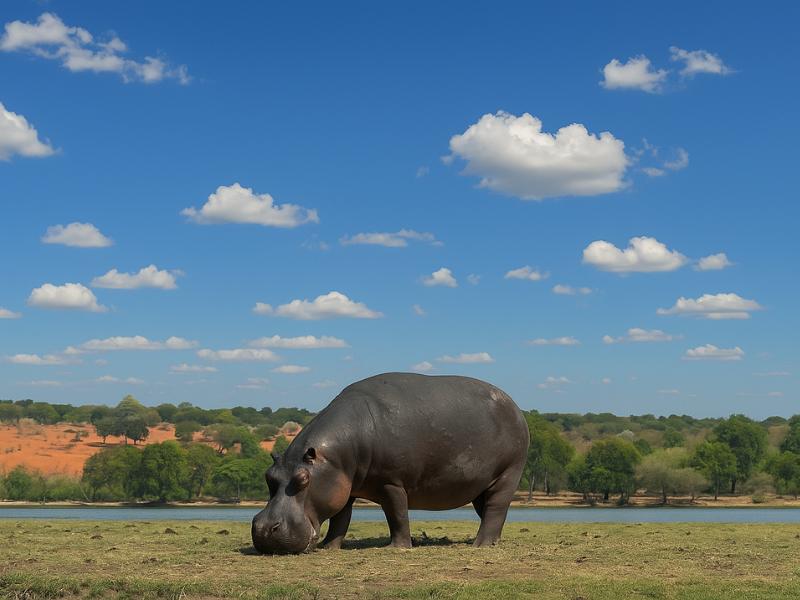
Chobe National Park Tour: Full Day with River Cruise
A 10-hour Livingstone departure with a river cruise and a game drive. A practical match for November–April dates, when a rain layer is already in the bag.
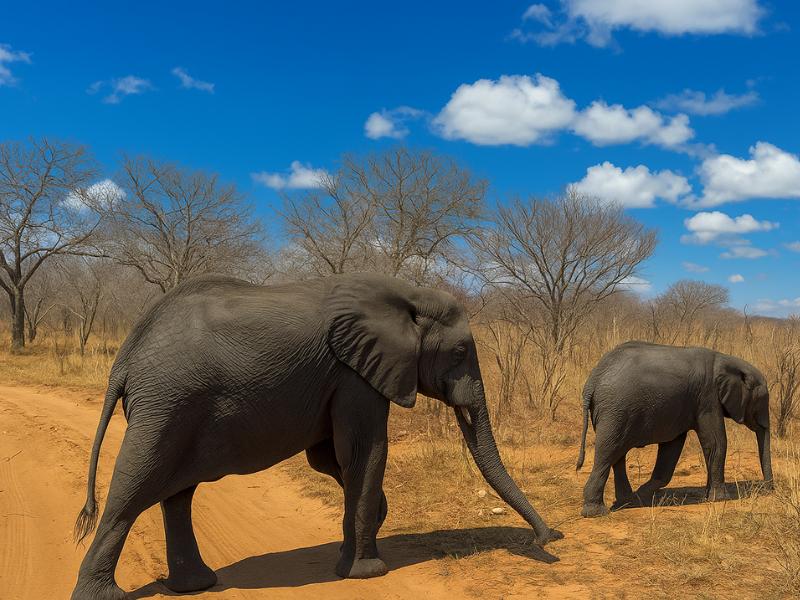
Full-Day Chobe Safari via Kazungula Bridge
A 10-hour Victoria Falls to Chobe day via the Kazungula Bridge. A straightforward dry-season target if you want a same-day return.
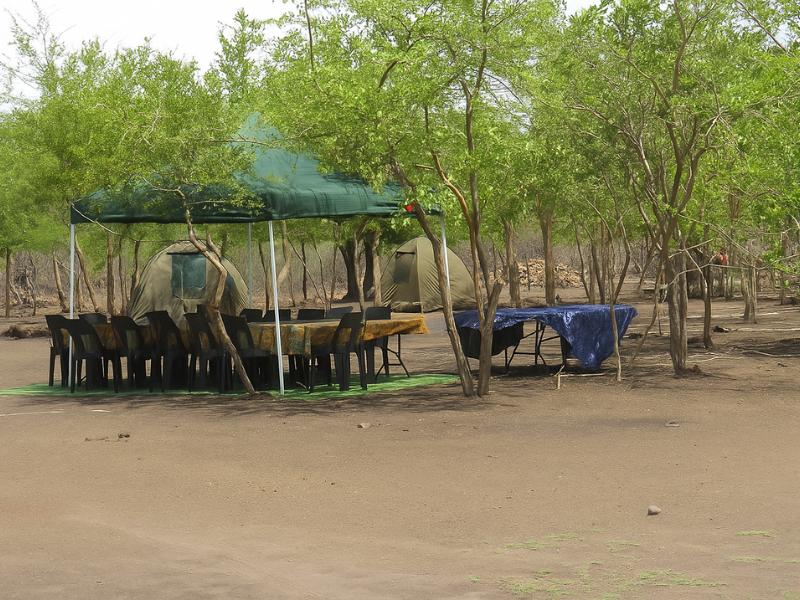
Overnight Chobe Safari with Camping
A 24-hour Chobe trip with camping. Choose this when a same-day return feels too short and you are willing to pack for one night out.
3-Day Chobe Safari Tour from Livingstone/Victoria Falls
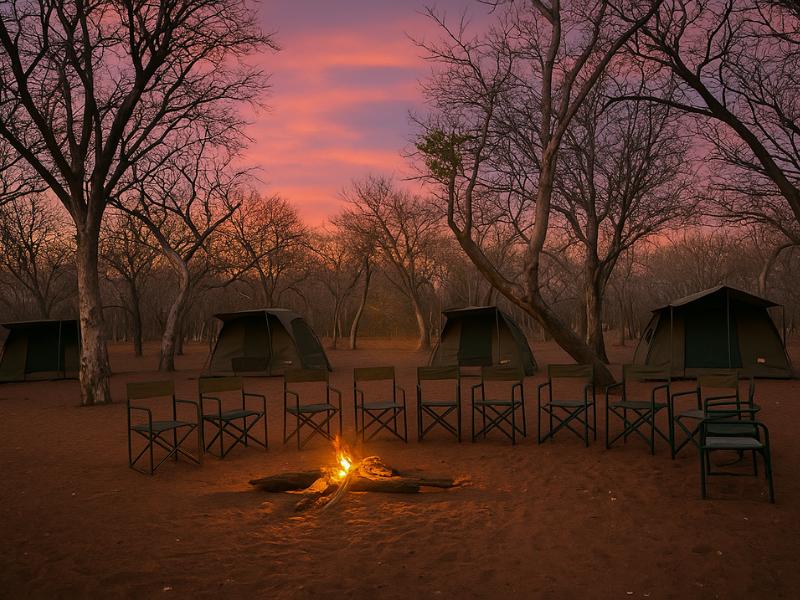
A 60-hour safari from Livingstone or Victoria Falls. Check this for June–July dates if you want more than one day in the park.
Seasonal Packing Variations
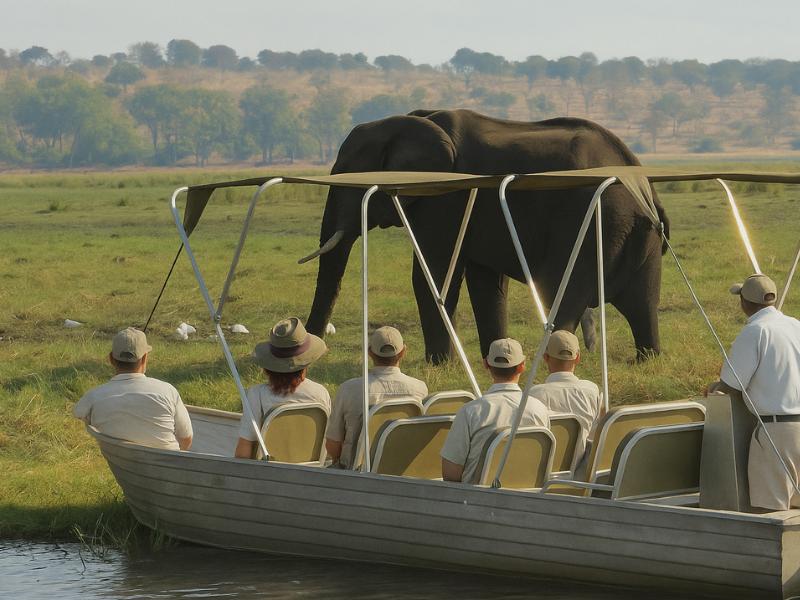
Dry season (May-October) requires layering system managing cool morning starts at 50-65°F (10-18°C) when dawn game drives depart, with light fleece or jacket essential for first hour then progressively shedding layers as temperatures climb to comfortable 75-85°F (24-29°C) by mid-morning. Afternoons need lightweight breathable clothing for pleasant 80-90°F (27-32°C) conditions, with long sleeves still recommended for sun protection despite heat. Dust protection proves critical throughout dry season as fine Kalahari sand coats everything, requiring scarves or buffs covering nose and mouth during particularly dusty drives, zip-lock bags protecting electronics and documents, and camera dust covers essential for equipment preservation. The dry season packing emphasizes versatile layers managing 30-40°F (17-22°C) temperature swings within single morning, neutral lightweight fabrics, and comprehensive dust mitigation strategies.
Wet season (November-April) makes waterproof rain jacket absolutely essential as afternoon thunderstorms arrive regularly 2-4pm, drenching passengers in open vehicles and forcing early returns if lightning threatens. Quick-dry clothing including synthetic or merino wool fabrics proves invaluable as items get wet from rain or washing then must dry overnight for next morning use, with cotton staying damp for days in humid conditions. Waterproof bags or dry bags protect cameras, electronics, and documents from sudden downpours, with zip-lock bags providing backup protection for items within larger bags. Overall warmer temperatures year-round reduce layering needs compared to dry season, though light jacket still useful for occasional cool mornings and air-conditioned lodge spaces.
October heat demands absolute minimum clothing for brutal afternoon temperatures reaching 95-105°F (35-41°C), with lightest possible long-sleeve shirts, breathable pants, and moisture-wicking fabrics preventing overheating in oppressive conditions. Maximum sun protection becomes critical during extreme heat exposure including SPF 50+ sunscreen applied liberally and frequently, wide-brim hat providing constant shade, polarized sunglasses, and lip balm preventing burns. Morning drives starting moderate 65-75°F (18-24°C) still require light jacket for first hour, creating packing challenge of managing both extreme heat and moderate cool within same day. October visitors should pack lightest weight versions of all clothing items, prioritize breathable technical fabrics over cotton, bring extra water bottle, and prepare mentally for genuinely uncomfortable afternoon heat despite moving vehicle breeze.
Winter (June-July) brings genuine cold to Chobe mornings with temperatures dropping to 45-60°F (7-16°C) at dawn, requiring warm jacket, fleece, or insulated vest plus long sleeves and pants creating proper layering for extended exposure in open vehicles. The cold proves real not mild chill, with visitors from warm climates particularly shocked by African winter morning temperatures combined with vehicle wind chill dropping apparent temperature further. Afternoons warm to pleasant 70-80°F (21-27°C) allowing shedding heavy layers, but mornings demand legitimate winter clothing for 6-9am game drives lasting 3-4 hours in sub-60°F conditions. June-July visitors should pack warmer layers than any other months, with fleece or light down jacket essential versus light windbreakers adequate other seasons.
Planning ahead? Our guide to the best time to visit Chobe tours breaks down dry season versus green season and what each offers.
| Month | Season | Morning Temp | Afternoon Temp | Critical Items | Clothing Focus | Special Considerations |
|---|---|---|---|---|---|---|
| January | Wet | 70-75°F (21-24°C) | 85-90°F (29-32°C) | Rain jacket, quick-dry clothes | Lightweight, waterproof protection | Afternoon storms, high humidity |
| February | Wet | 70-75°F (21-24°C) | 85-90°F (29-32°C) | Rain jacket, quick-dry clothes | Lightweight, waterproof protection | Peak rains, afternoon storms |
| March | Wet | 70-75°F (21-24°C) | 85-90°F (29-32°C) | Rain jacket, quick-dry clothes | Lightweight, waterproof protection | Heavy rains, muddy conditions |
| April | Wet/Transition | 65-70°F (18-21°C) | 80-85°F (27-29°C) | Rain jacket, light layers | Transitional, versatile | Rains decreasing, improving |
| May | Dry/Shoulder | 55-65°F (13-18°C) | 75-80°F (24-27°C) | Light jacket, layers, scarf | Layering essential | Cool comfortable, minimal dust |
| June | Dry/Winter | 45-55°F (7-13°C) | 70-75°F (21-24°C) | Warm jacket, fleece, layers | Cold-weather layers | Genuine cold mornings |
| July | Dry/Peak | 50-60°F (10-16°C) | 75-80°F (24-27°C) | Warm jacket, fleece, layers | Cold mornings, comfortable afternoons | Cold dawn, increasing dust |
| August | Dry/Peak | 55-65°F (13-18°C) | 75-85°F (24-29°C) | Light jacket, layers, scarf | Layering system, dust protection | Heavy dust, perfect weather |
| September | Dry/Peak | 60-70°F (16-21°C) | 85-90°F (29-32°C) | Light layers, dust protection | Moderate mornings, warming afternoons | Maximum dust, heating up |
| October | Dry/Hot | 65-75°F (18-24°C) | 95-105°F (35-41°C) | Minimal clothing, maximum sun protection | Lightest fabrics, breathable | Extreme afternoon heat |
| November | Wet/Transition | 70-75°F (21-24°C) | 85-95°F (29-35°C) | Rain jacket, light layers | Transitional, rain gear | Storms starting, hot and humid |
| December | Wet | 70-75°F (21-24°C) | 85-90°F (29-32°C) | Rain jacket, quick-dry clothes | Lightweight, waterproof protection | Afternoon storms, humidity |
FAQ: Safari Packing for Chobe
1. What should I wear on a Chobe safari?
Neutral colors only (khaki, olive, brown, tan) in lightweight long-sleeve shirts and pants. Avoid bright colors, white, and camouflage. Layer for temperature swings from cool 50-65°F (10-18°C) mornings to warm 75-85°F (24-29°C) afternoons. Pack 3-4 shirts, 2-3 pants, light jacket for mornings, and comfortable closed shoes.
2. Can I wear sandals on safari?
Only at lodges. Game drives and activities require closed comfortable shoes protecting feet from thorns, insects, and uneven terrain during bush stops. Sandals or flip-flops serve exclusively for evening lodge relaxation and pool time, never for safari activities.
3. Do I need malaria medication for Chobe?
Yes, absolutely essential. Chobe is malaria-endemic with year-round transmission risk. Consult doctor or travel clinic 4-6 weeks before departure for prescription (Malarone, doxycycline, or mefloquine). Take medication on schedule throughout trip and specified period after returning. Never skip prophylaxis.
4. What camera lens do I need for safari?
Telephoto zoom 100-400mm or 150-600mm essential for wildlife at distance. Wide-angle 24-70mm useful but optional. Modern smartphones adequate for casual photographers. Bring 3-4 extra batteries (drain faster in temperature extremes) and 128GB+ memory cards. Protect everything from relentless dust.
5. How much luggage can I bring to Chobe?
15-20kg (33-44 lbs) per person strictly enforced for charter flights. Soft bags only – hard suitcases prohibited on small aircraft. Use duffel bag or soft backpack. Pack light using lodge laundry services mid-trip. Carry-on with essentials (medications, documents, camera) critical if checked bag delays.
6. What should I not pack for safari?
Bright colors (white, red, blue), camouflage clothing (illegal some countries), hard suitcases (prohibited), new unbroken shoes, excessive valuables, formal wear, heavy books, full-size toiletries. Pack 50% of what you initially think necessary – laundry available, overpacking creates problems at weight limits.
7. Do lodges provide toiletries and towels?
Most lodges provide basic shampoo, soap, and towels. Bring personal items (sunscreen, insect repellent, medications, lip balm) as lodge supplies are basic. Travel-size toiletries adequate – don’t pack full bottles. Wet wipes useful for dust. Check specific lodge inclusions when booking.
8. How cold does it get in Chobe?
June-July mornings drop to 45-60°F (7-16°C) requiring warm jacket. May and August mornings 50-65°F (10-18°C) need light fleece. October mornings moderate 65-75°F (18-24°C) but afternoons brutal 95-105°F (35-41°C). Always pack light jacket for cool dawn game drives regardless of month.
Glossary: Safari Packing Terms
Neutral Colors/Earth Tones: Khaki, olive green, brown, tan, and beige clothing blending naturally with bush environments, required for safari to avoid disturbing wildlife with bright unnatural colors like white, red, or blue that stand out dramatically.
Layering System: Multiple clothing layers managing dramatic temperature swings from cool 50-65°F (10-18°C) mornings to warm 75-85°F (24-29°C) afternoons, using base layer (long-sleeve shirt), mid-layer (fleece), and outer layer (windbreaker) progressively removed as temperatures rise.
Soft-Sided Luggage: Flexible duffel bags, soft backpacks, or wheeled soft luggage required for small charter aircraft, as rigid hard-shell suitcases cannot fit in limited cargo holds and get rejected at check-in.
Type M Adapter: Three-prong South African electrical plug standard used in Botswana, essential for charging cameras, phones, and electronics. Also called “Type M” or “BS 546” plug with three large round pins.
DEET: N,N-Diethyl-meta-toluamide, active ingredient in insect repellents at 30-50% concentration providing effective mosquito protection in malaria-endemic areas. Higher concentrations offer longer-lasting protection during dawn/dusk when insects are active.
SPF (Sun Protection Factor): Measurement of sunscreen effectiveness blocking UV rays. SPF 50+ recommended for safari providing 98%+ UVB protection during hours of direct African sun exposure in open vehicles.
Moisture-Wicking Fabrics: Technical synthetic materials or merino wool pulling sweat away from skin, drying quickly (overnight washing), and regulating temperature better than cotton which absorbs moisture staying wet longer.
Bush Stop Essentials: Items needed during mid-drive 10-15 minute bathroom breaks including tissues, hand sanitizer, small bills for tips if facilities charge, and personal medications if required regularly.
Ready to Pack for Your Chobe Safari?
Successful Chobe packing centers on neutral-colored clothing layers managing 50°F (28°C) temperature swings from cool dawn to hot afternoon, comprehensive sun protection (SPF 50+ sunscreen, wide-brim hat, sunglasses) preventing burns during hours of exposure, camera equipment with telephoto lens and dust protection capturing wildlife memories, essential medications including malaria prophylaxis, travel documents enabling smooth entry, and soft luggage under 15-20kg weight limits meeting strict charter flight requirements. The packing philosophy emphasizes quality over quantity, versatility over specialization, and protection from relentless dust coating everything in dry season conditions.
Pack approximately 50% of what you initially consider necessary, using lodge laundry services mid-trip rather than bringing week-long clothing supply. Layer smart with technical moisture-wicking fabrics managing temperature variations better than cotton, and protect all electronics from pervasive dust through zip-lock bags and camera covers. Prioritize carry-on with absolute essentials (medications, documents, camera, change of clothes) surviving independently if checked bags delay.
For packing questions tied to a real itinerary, check the full-day Chobe safari via the Kazungula Bridge and match the bag to that schedule. Guides on the full-day Chobe safari from Victoria Falls have seen every packing mistake from overstuffed hard suitcases rejected at charter check-in through underprepared visitors buying emergency sunscreen at inflated prices, understanding exactly what works and what creates problems.
Get comprehensive safari planning assistance at chobetours.com where we guide proper packing for your specific travel dates, provide detailed equipment recommendations matching your photography interests, explain seasonal variations affecting clothing needs, and ensure you arrive prepared without overpacking unnecessary items consuming precious luggage weight.
The elephants don’t care about designer safari outfits. The dust penetrates everything regardless of bag quality. The question is arriving prepared with essentials while staying under weight limits.
From the guides at Chobe Tours who’ve watched tourists unpack three oversized bags at remote airstrips discovering hard suitcases don’t fit in small planes, visitors shivering in dawn cold wearing only t-shirts, and photographers with dead camera batteries missing spectacular lion encounters, learning through decades which packing decisions create success versus preventable problems.