Multi-Day vs Day Trip Chobe Safari
Chobe day trip or overnight safari from Victoria Falls? This honest comparison shows what you’ll really see, time lost to borders, wildlife odds, and when staying longer is worth it.
Last updated: March 10, 2026
Tourists planning Victoria Falls visits frequently ask “Is a Chobe day trip worth it or should I stay overnight?” expressing uncertainty whether single-day excursions from Victoria Falls deliver adequate safari experiences or whether multi-day Chobe stays prove necessary for proper wildlife viewing. Some visitors assume day trips show identical animals as multi-day safaris at fraction of cost, booking rushed 12-hour excursions expecting comprehensive coverage, while others commit to multi-day stays without understanding if the additional time and expense actually improve experiences proportionally. The confusion stems from marketing emphasizing day trip convenience and lower upfront costs without explaining severe activity limitations, rushed schedules consuming 4-5 hours on border crossings and transfers, and dramatically reduced wildlife encounter probabilities when conducting single game drive or boat cruise versus multiple activities across varied times and habitats.
At Chobe Tours, we operate both day trips and multi-day safaris, understanding exactly what each delivers and which visitors benefit from each format through honest assessment of trade-offs rather than sales-driven recommendations. This complete comparison covers day trip realities explaining actual schedules, activity limitations, border crossing delays, and wildlife odds from single outings, multi-day safari advantages through multiple activities, relaxed pacing, overnight lodge experiences, and dramatically improved species coverage, cost analysis showing per-activity value where multi-day safaris often prove cheaper per wildlife encounter despite higher total prices, wildlife viewing odds comparing 60-70% elephant probability on day trips versus 95-99% multi-day, and honest recommendations matching safari formats to visitor priorities, schedules, and budgets. We provide balanced perspective helping you choose optimal Chobe duration for your specific circumstances rather than pushing either option regardless of suitability.
Day Trip or Multi-Day Safari?
Multi-day safaris deliver dramatically superior wildlife experiences through multiple activities, varied timing, and comprehensive habitat coverage, but day trips work adequately for visitors with extremely tight schedules prioritizing Victoria Falls with brief Chobe sampling. The quality gap proves substantial rather than marginal, with multi-day safaris showing 90-95% major species encounter rates versus 60-70% day trips, relaxed pacing versus exhausting rushed schedules, and authentic bush immersion versus hurried tourist excursion. Day trips serve specific purposes for Victoria Falls-focused travelers unable to spare overnight stays, while anyone prioritizing safari experiences or allocating adequate regional time benefits enormously from multi-day formats.
Day trip reality involves choosing single activity—either morning game drive OR afternoon boat cruise but not both—within 10-12 hour exhausting day where 4-5 hours get consumed by Victoria Falls-Kasane transfers (2 hours each way) and Kazungula border crossing (1-2 hours total including Zimbabwe exit, Botswana entry, and vehicle processing). The single 3-4 hour activity shows 60-70% probability for elephants and buffalo, 40-50% for common antelope, but just 15-25% for lions requiring morning drives and patient searching impossible during time-constrained single outing. Typical schedules involve 5:30-6am Victoria Falls hotel pickup, 2-hour drive to border, 1-2 hours crossing into Botswana, arriving Chobe 9-10am for single activity, lunch, then reversing journey returning Victoria Falls 6-7pm exhausted after 12-hour day yielding 3-4 hours actual wildlife viewing.
Multi-day advantages begin with 4-8 activities across 2-3 days covering both game drives and boat cruises at varied times (morning and afternoon), accessing different habitats (riverfront, woodland, floodplains), and providing second chances if initial outings disappoint due to weather or animal movements. The relaxed pace allows proper 6am morning drive departures catching peak predator activity, midday lodge rest recovering from early starts, and afternoon activities without exhausting marathon days. Wildlife coverage reaches 90-95% for major species through repeated attempts, with 95-99% elephant odds, 70-80% buffalo, 60-80% lions on 3-4 day trips, and reasonable leopard chances (25-40%) impossible on rushed single outings. Overnight riverfront lodges add elephants drinking outside rooms, swimming pools, quality dining, and authentic bush atmosphere versus returning to Victoria Falls hotels eliminating immersive safari experience.
We’ve broken down boat safari vs game drive in Chobe tours so you can figure out which matches your interests – or if your schedule allows for both experiences.
Cost comparison shows day trips at $150-250 per person including transfers, border crossing, single activity, and basic lunch, while 2-day safaris cost $450-600 ($225-300 daily) including 4 activities, overnight accommodation, full board meals, and transfers, and 3-day trips run $600-1,200 ($200-400 daily) with 6-8 activities and comprehensive coverage. The per-activity cost analysis reveals day trips charge $150-250 per single wildlife viewing versus multi-day $60-80 per activity when total costs divided by number of outings, making longer stays superior value despite higher absolute prices. Day trippers also maintain Victoria Falls accommodation throughout adding $100-200 nightly costs, while multi-day visitors eliminate those nights through Chobe lodging creating additional value beyond simple activity calculations.
Practical recommendation establishes 2 days as absolute minimum for adequate Chobe introduction, providing 2 game drives plus 2 boat cruises covering essential activities, one overnight experiencing riverfront lodges, and reasonable wildlife coverage at 80-85% major species. Three days represents optimal duration balancing comprehensive experiences (3-4 drives, 3-4 boats, 90-95% species coverage) against time and budget constraints, with 4+ days suited for photographers, serious enthusiasts, or relaxed explorers wanting thorough coverage without rushing. Day trips work exclusively for Victoria Falls-focused visitors with 3-4 total regional days unable to spare overnights, accepting 60-70% wildlife sampling as brief safari introduction rather than complete experience.
Want to get it organized properly? This breakdown of how to plan a safari in Chobe tours covers all the details most people don’t think about until it’s too late.
| Factor | Day Trip | 2-Day Safari | 3-Day Safari |
|---|---|---|---|
| Total Cost | $150-250 per person | $450-600 per person | $600-1,200 per person |
| Activities Included | 1 (game drive OR boat) | 4 (2 drives + 2 boats) | 6-8 (3-4 drives + 3-4 boats) |
| Cost Per Activity | $150-250 | $112-150 | $75-200 (avg $100-150) |
| Total Time | 10-12 hour exhausting day | 2 days/1 night relaxed | 3 days/2 nights comprehensive |
| Wildlife Viewing Time | 3-4 hours only | 12-16 hours across activities | 18-24 hours varied times |
| Border Crossings | 2 (entering/leaving) | 1 (entering only) | 1 (entering only) |
| Elephant Probability | 60-70% single activity | 95-99% multiple attempts | 99% guaranteed |
| Lion Probability | 15-25% (unlikely single drive) | 40-60% (2-day cumulative) | 60-80% (3-4 day searching) |
| Leopard Probability | Under 5% (very rare) | 15-25% (possible) | 25-40% (patient searching) |
| Buffalo/Giraffe | 40-50% | 70-80% | 80-90% |
| Accommodation | Victoria Falls hotel (separate cost) | Chobe riverfront lodge included | Chobe riverfront lodge 2 nights |
| Meals | Packed lunch only | Full board (6 meals) | Full board (9 meals) |
| Schedule | Rushed, exhausting, no flexibility | Morning/afternoon activities, rest between | Relaxed pace, weather buffers, flexibility |
| Lodge Experience | None (day visitor) | Riverfront atmosphere, elephants from room | Full immersion, multiple evenings |
| Best For | Victoria Falls priority, 3-4 day total trips, tight budgets, safari sampling | Minimum adequate Chobe, balanced time/cost | Optimal duration, comprehensive coverage, serious wildlife focus |
| Wildlife Coverage | 40-50% of possible species | 70-80% of possible species | 85-95% of possible species |
| Value Rating | Poor (expensive per activity) | Good (reasonable per activity) | Excellent (best per-activity value) |
Day Trip Reality: What You Actually Get
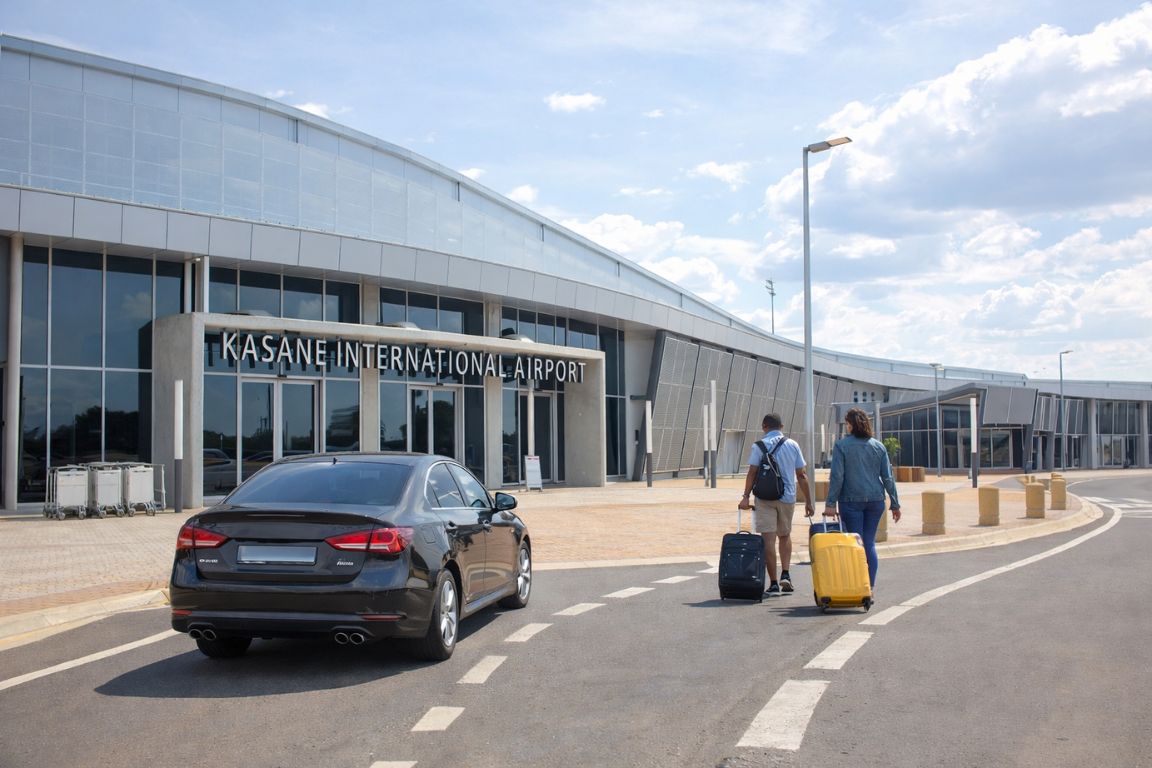
Typical structure begins 5:30-6am Victoria Falls hotel pickup for 70km drive to Kazungula border, spending 1-2 hours on Zimbabwe exit and Botswana entry processing with vehicle inspection and customs, arriving Kasane 9-10am for single 3-4 hour activity (game drive or boat cruise chosen at booking), lunch at lodge or riverside restaurant, then reversing entire journey departing Chobe 2-3pm and reaching Victoria Falls 6-7pm. The 10-12 hour marathon day dedicates just 3-4 hours to actual wildlife viewing, with remaining 7-8 hours consumed by transfers, border bureaucracy, and meals, creating exhausting schedule where early wake-ups, long vehicle time, and rushed pacing leave visitors tired rather than exhilarated.
Activity limitations force choosing either morning game drive OR afternoon boat cruise at booking, never both despite marketing suggesting comprehensive Chobe sampling. Game drive selection means missing guaranteed hippo and crocodile encounters only accessible by boat, close-up elephant river viewing, and water bird diversity, while boat choice eliminates lions, leopards, interior wildlife, and terrestrial predator viewing impossible from water. The single activity provides no second chances if weather turns poor, animals prove elusive, or timing misses peak concentrations, with day trippers accepting whatever single 3-4 hour window delivers without backup options multi-day visitors enjoy.
First time on safari? Here’s the game drive experience explained in Chobe tours so you understand the rhythm and what to bring for the ride.
Border crossing time at Kazungula between Zimbabwe and Botswana consumes 1-2 hours total including Zimbabwe exit formalities, 5km drive across Kazungula Bridge, and Botswana entry processing with vehicle registration and customs inspection. Some nationalities including Americans pay $50 Zimbabwe visa if not already obtained, while most Western visitors enter Botswana visa-free though all vehicles require temporary import permits and insurance verification. The crossing unpredictability means delays stretch from smooth 45-minute best cases to frustrating 2+ hour waits when multiple tour groups arrive simultaneously overwhelming limited staff, with no ability predicting or controlling timing.
Rushed schedule eliminates relaxation through 5:30am wake-ups without breakfast, 2-hour pre-dawn drives, border stress, single compressed activity where guides maximize wildlife coverage within tight timeframes, quick lunches, then immediate return journey racing sunset. The exhausting pace prevents enjoying moments, forces constant movement versus lingering at productive sightings, and creates anxiety about timing rather than immersive safari experience. Day trippers return to Victoria Falls hotels depleted after 12-hour expedition, skipping evening activities or dining from sheer fatigue, questioning if brief wildlife exposure justified marathon effort.
Wildlife odds from single activities show 60-70% probability for elephants and buffalo if visiting riverfront areas, 40-50% for common antelope and giraffe, but just 15-25% for lions requiring morning game drives and patient searching impossible on time-constrained schedules. Leopards appear under 5% probability on single outings, wild dogs similarly rare, and comprehensive species diversity suffers from limited habitat coverage and single time slot. The 60-70% major species odds mean 30-40% of day trippers see disappointing limited wildlife, returning Victoria Falls feeling cheated by expensive rushed day yielding mediocre results, with no second chances improving outcomes through additional attempts.
An Australian couple on Chobe day trip from Victoria Falls woke at 5am, drove 2 hours to border spending 90 minutes crossing, arrived Kasane at 9:30am for afternoon boat cruise (morning game drive fully booked), waited until 3pm cruise departure at lodge restaurant, enjoyed 3-hour boat seeing 40+ elephants and hippos but no predators, immediately departed for return journey arriving Victoria Falls 7:30pm exhausted after 14-hour day with just 3 hours wildlife viewing. Meanwhile, British guests on 3-day safari woke leisurely at 6am for morning drive finding lions at kill, returned for late breakfast and pool time, rested during midday heat, departed 3pm for same boat cruise the Australians attended, then enjoyed sundowners and dinner at lodge before evening wildlife sounds lulled them to sleep, repeating relaxed pattern across multiple days yielding comprehensive coverage without marathon exhaustion.
Multi-Day Safari: The Complete Experience
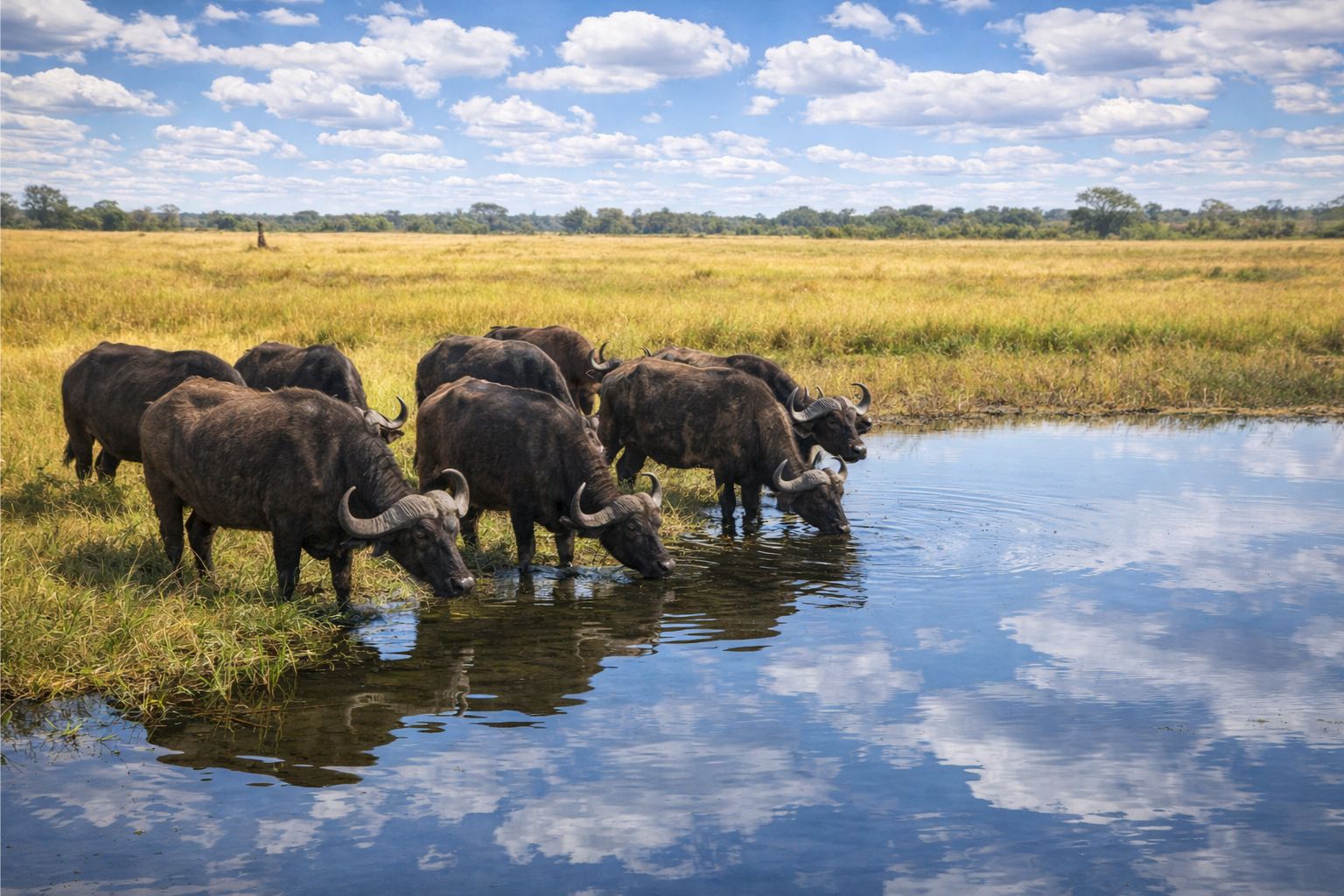
2-day minimum provides 2 game drives plus 2 boat cruises totaling 4 activities across morning and afternoon slots, one overnight stay at riverfront lodge experiencing elephants drinking outside rooms, and adequate 80-85% wildlife coverage including guaranteed elephants, highly probable buffalo and antelope, and reasonable lion attempts. The structure typically includes afternoon arrival with first activity (drive or boat), full second day with morning and afternoon activities alternating types, then morning departure day with final activity before leaving. While compressed, 2-day safaris deliver essential Chobe experiences through both vehicle and boat perspectives, multiple habitat coverage, and overnight bush immersion impossible on day trips, representing absolute minimum duration for proper safari introduction.
3-day optimal duration balances comprehensive coverage through 3-4 game drives and 3-4 boat cruises with reasonable time and budget investment, achieving 90-95% major species encounter rates including 99% elephants, 80-90% buffalo, 70-80% lions, and 25-40% leopards through patient searching. The additional day provides weather buffers allowing activity rescheduling if afternoon thunderstorms or poor morning conditions compromise single outings, explores varied habitats from riverfront through interior mopane woodland to seasonal floodplains showing different species assemblages, and creates relaxed pacing with two full days of morning-rest-afternoon cycles versus 2-day compression. Three days suits first-time safari visitors wanting thorough introduction, families needing varied activities maintaining children’s interest, and wildlife enthusiasts prioritizing comprehensive species coverage without excessive time or cost.
4+ day extended safaris deliver ultimate relaxed pace eliminating any rushing, Savuti Marsh excursions 50km south showcasing different Chobe ecosystem with specialized buffalo-hunting lion prides and seasonal lechwe concentrations, specialized activities like guided nature walks where permitted or cultural village visits, and photographer ideal allowing multiple attempts at challenging subjects in varied light conditions. The extended duration provides genuine bush immersion where safari rhythm becomes natural, second and third chances at elusive species like leopards and wild dogs, and thorough habitat exploration including remote areas day-trippers never reach. Extended stays suit serious wildlife photographers needing flexibility and repeated opportunities, retired travelers without schedule constraints, and dedicated safari enthusiasts wanting deep Chobe understanding versus surface sampling.
Activity variety through alternating morning game drives departing 6-6:30am catching predators at overnight kills and herbivores feeding during cool hours, afternoon game drives 3-6:30pm positioning for elephant river arrivals and sunset golden hour photography, morning boat cruises 6:30-9am observing hippos and water birds, and afternoon boat cruises 3-6pm capturing massive elephant concentrations drinking 4-6pm creates comprehensive coverage impossible through single activity types or times. The dawn/dusk wildlife patterns show different behaviors with predators hunting mornings then resting afternoons, elephants feeding interior woodlands mornings then migrating to river afternoons, and overall activity peaks during cool hours bracketing hot midday dormancy. Multi-day safaris capture complete daily wildlife cycles through varied timing, accessing both terrestrial and aquatic species via alternating vehicles and boats, and experiencing bush atmosphere across different conditions from cool dawn through hot midday to golden sunset.
Planning your itinerary? This breakdown of how many days you need in Chobe tours shows you what’s possible with 1, 2, or 3 days in the park.
Wildlife Viewing: Day Trip vs Multi-Day Odds
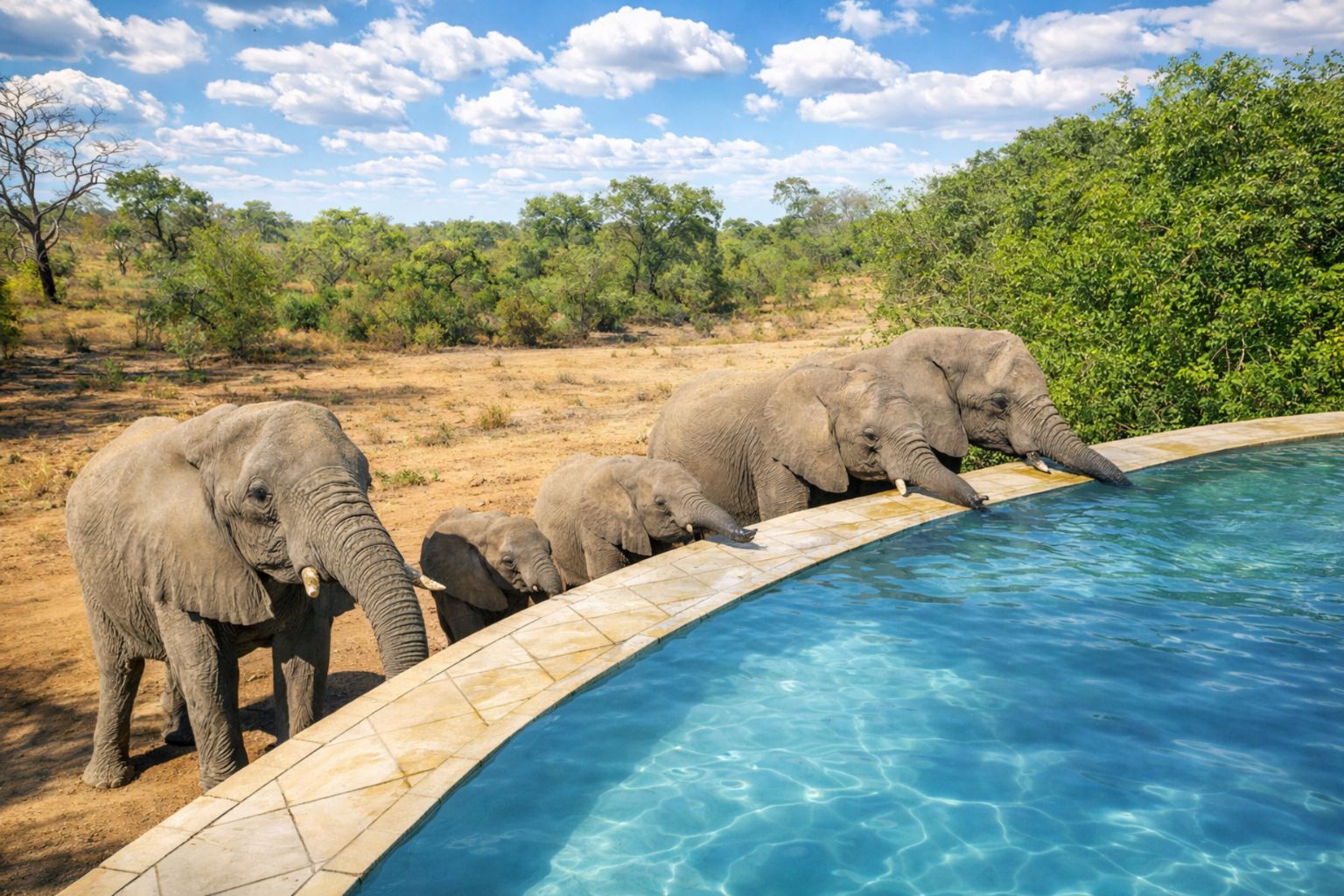
Elephants show 60-70% encounter probability on day trip single activities as herds disperse widely throughout Chobe’s 11,000 square kilometers with single 3-4 hour window catching animals only if timing and location align, while multi-day safaris achieve 95-99% sighting rates through multiple attempts at varied times and locations guaranteeing encounters. Morning game drives find woodland elephant herds feeding on mopane, afternoon drives position for predictable 4-6pm river arrivals with 200-400 animals congregating, and boat cruises access drinking elephants from water-level perspectives, with cumulative coverage across 4-8 activities virtually eliminating possibility of missing Chobe’s signature 50,000+ elephant population.
Lions prove difficult on day trips at 15-25% single activity probability as cats rest hidden during midday heat, hunt primarily overnight, and occupy vast territories requiring extensive searching best accomplished through multiple morning drives. Multi-day safaris with 3-4 days achieve 60-80% cumulative lion odds through repeated morning departures catching prides at fresh kills or resting near hunting sites, radio intelligence from guides sharing locations, and patient systematic searching of known territories impossible during single rushed outings. The lion viewing gap between formats proves dramatic, with day trippers frequently missing Africa’s most iconic predator while multi-day visitors consistently encounter prides.
Leopards appear on under 5% of day trips as solitary cats maintain elusive habits, rest in dense vegetation or trees during day, and require patient searching of specific territories guides know from experience, making encounters nearly impossible during single time-constrained activities. Multi-day safaris improve odds to 25-40% on 3-4 day trips through dawn and dusk drives when leopards show most activity, repeated checks of favorite resting trees individual cats use predictably, and accumulated searching time allowing guides pursuing rumored sightings or fresh tracks. Even 25-40% multi-day odds remain moderate rather than guaranteed, but represent dramatically better chances than day trip lottery tickets.
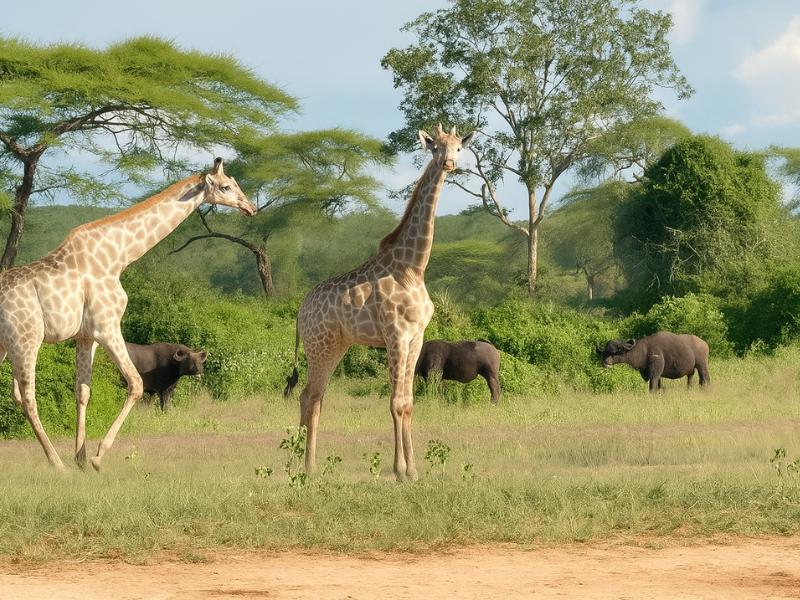
Buffalo and giraffe show 40-50% day trip probabilities as both species range widely across park with buffalo herds numbering hundreds grazing interior floodplains and giraffe browsing scattered woodland areas, making encounters depend heavily on single activity route and luck. Multi-day safaris increase odds to 70-90% for buffalo and 70-80% for giraffe through comprehensive habitat coverage including floodplain loops where buffalo concentrate, interior mopane woodland giraffe prefer, and multiple attempts if initial drives miss these species allowing subsequent routes targeting known locations.
Practical recommendation establishes multi-day safaris as essential for visitors prioritizing wildlife viewing, with day trips delivering inadequate 40-60% overall species coverage creating significant disappointment risks while multi-day formats achieve 85-95% comprehensive viewing justifying safari investment. The cumulative probability differences prove substantial rather than marginal, with multi-day visitors seeing 50-100% more species diversity through repeated attempts, varied habitats, and patient searching impossible during rushed single activities. Day trippers accepting limited sampling as brief introduction find value, but anyone expecting complete safari experiences requires minimum 2-day stays providing adequate coverage through multiple complementary activities.
We’ve mapped out all the animals in Chobe tours based on season, location within the park, and your odds of actually seeing them.
| Species/Category | Day Trip (1 Activity) | 2-Day Safari (4 Activities) | 3-4 Day Safari (6-8 Activities) | Notes |
|---|---|---|---|---|
| Elephants | 60-70% | 95-99% | 99%+ | Multi-day virtually guaranteed through multiple riverfront and woodland attempts |
| Lions | 15-25% | 40-60% | 60-80% | Require morning drives and patient searching, cumulative odds improve dramatically |
| Leopards | Under 5% | 15-25% | 25-40% | Solitary elusive cats need repeated dawn/dusk attempts at known territories |
| Buffalo | 40-50% | 70-80% | 80-90% | Floodplain herds require specific routes, multiple attempts improve odds significantly |
| Giraffe | 40-50% | 60-75% | 70-85% | Interior woodland browsers, coverage of varied habitats increases sightings |
| Hippos | 70-80% (if boat chosen) | 95-99% | 99%+ | Boat cruises show resident pods, guaranteed multi-day with mixed activities |
| Crocodiles | 60-70% (if boat chosen) | 90-95% | 95-99% | Basking on riverbanks, boat cruises essential for viewing |
| Wild Dogs | Under 5% | 10-15% | 15-20% | Wide-ranging endangered packs, rare even multi-day but improved odds |
| Cheetahs | Under 5% | 5-10% | 10-15% | Uncommon in Chobe woodland habitat, floodplain sightings occasional |
| Kudu | 30-40% | 60-70% | 75-85% | Woodland thickets, multiple interior drives increase encounters |
| Waterbuck | 30-40% | 50-60% | 65-75% | Near water always, varied routes improve sightings |
| Impala | 85-95% | 99%+ | 99%+ | Most abundant antelope, virtually guaranteed even day trips |
| Warthogs | 60-70% | 85-90% | 90-95% | Common throughout, multiple activities nearly guarantee sightings |
| Baboons | 50-60% | 75-85% | 85-90% | Troops common, varied routes encounter multiple groups |
| Overall Species Diversity | 40-50% of possible | 70-80% of possible | 85-95% of possible | Multi-day delivers double the variety of day trips |
| Satisfaction Rate | 55-65% (many disappointed) | 80-85% (most satisfied) | 90-95% (very satisfied) | Based on visitor feedback and expectations vs reality |
Cost Analysis: Value Per Activity
Day trip costs range $150-250 per person including Victoria Falls-Kasane round-trip transfers (2 hours each way), Kazungula border crossing assistance and fees, single 3-4 hour activity (game drive or boat cruise), basic packed lunch or restaurant meal, park entry fees, and guide services. The pricing appears affordable compared to multi-day alternatives when viewing absolute numbers, creating illusion of value, but breaks down to $150-250 per single wildlife viewing activity representing poor value proposition. Hidden costs include maintaining Victoria Falls accommodation throughout ($100-200 nightly), potential visa fees for some nationalities ($50 Zimbabwe), and opportunity costs from exhausting 12-hour day preventing other activities or rest.
2-day costs total $450-600 per person for budget-to-mid-range packages including 4 activities (2 game drives plus 2 boat cruises), overnight riverfront lodge accommodation, full board meals (breakfast, lunch, dinner on Day 2 plus breakfast Day 3), Kasane airport or Victoria Falls transfers, park entry fees for both days, and professional guides throughout. The per-activity cost drops to $112-150 when dividing total by 4 outings, representing 30-50% savings versus day trip per-activity rates while delivering dramatically superior wildlife coverage, relaxed pacing, and overnight lodge experience. Budget options at $450-500 use Kasane town lodges, while mid-range $550-600 packages include riverfront properties with elephants visible from rooms.
3-day costs span $600-1,200 per person depending on accommodation tier, including 6-8 activities (3-4 game drives plus 3-4 boat cruises), two nights riverfront lodge, full board all meals (9 total), transfers, park fees, and guides. The per-activity calculation shows $75-200 per outing averaging $100-150, representing best value across all formats through activity quantity, comprehensive species coverage achieving 90-95% odds, and complete safari immersion. Budget 3-day packages at $600-800 deliver excellent value through adequate lodging and full activity complement, while mid-range $800-1,200 upgrades accommodation quality without significantly affecting wildlife viewing since animals don’t discriminate by lodge luxury.
Multi-day value extends beyond simple per-activity cost calculations to include overnight accommodation eliminating separate Victoria Falls lodging ($100-200 saved per night), comprehensive meal packages versus purchasing food separately, relaxed pacing allowing proper activity enjoyment without exhaustion, weather and luck buffers providing backup opportunities if initial outings disappoint, cumulative wildlife probability improvements yielding 50-100% more species encounters, authentic bush immersion with elephants around lodges and overnight wildlife sounds, and overall safari experience quality impossible during rushed day trips. The holistic value assessment shows multi-day safaris delivering exponentially better experiences per dollar spent through accumulated advantages across wildlife, comfort, pacing, and immersion factors.
Not sure about the budget? I’ve got safari costs explained in Chobe tours so you know exactly what you’re paying for and where you can save money.
| Option | Total Cost | Activities Included | Per-Activity Cost | Accommodation | Meals | Wildlife Coverage | Value Rating |
|---|---|---|---|---|---|---|---|
| Day Trip | $150-250 | 1 (drive OR boat) | $150-250 | None (separate VF hotel $100-200) | Lunch only (7 other meals separate) | 40-50% species | Poor – expensive per activity, limited coverage |
| 2-Day Budget | $450-500 | 4 (2 drives + 2 boats) | $112-125 | 1 night Kasane town lodge | Full board (6 meals) | 70-80% species | Good – reasonable per activity, adequate coverage |
| 2-Day Mid-Range | $550-600 | 4 (2 drives + 2 boats) | $137-150 | 1 night riverfront lodge | Full board (6 meals) | 70-80% species | Good – better location, same coverage |
| 3-Day Budget | $600-750 | 6-7 (3 drives + 3-4 boats) | $85-125 | 2 nights Kasane/riverfront | Full board (9 meals) | 85-90% species | Excellent – best per-activity value |
| 3-Day Mid-Range | $900-1,200 | 6-8 (3-4 drives + 3-4 boats) | $112-200 | 2 nights quality riverfront | Full board (9 meals) | 90-95% species | Excellent – optimal coverage and comfort |
| 4-Day Mid-Range | $1,200-1,600 | 8-10 (4-5 drives + 4-5 boats) | $120-200 | 3 nights riverfront | Full board (12 meals) | 95%+ species | Excellent – comprehensive, relaxed pace |
Who Should Choose Day Trips
Recommended tours by duration
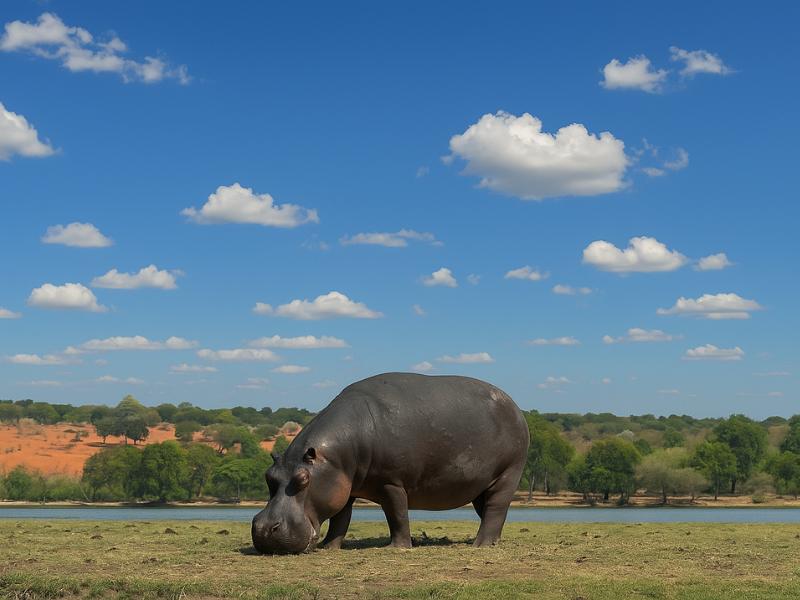
Chobe National Park Tour: Full Day with River Cruise
A full day in Chobe National Park that includes a river cruise.
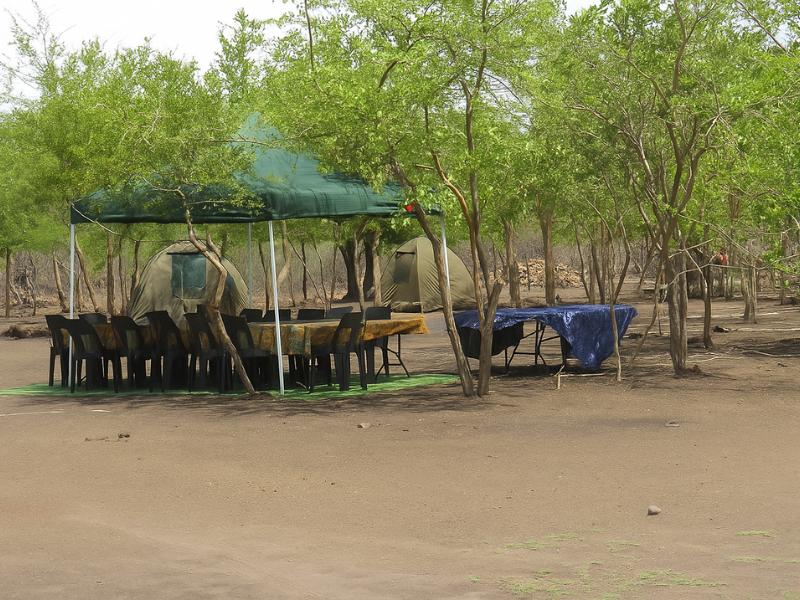
Overnight Chobe Safari with Camping
One night of camping for a two-day Chobe stay.
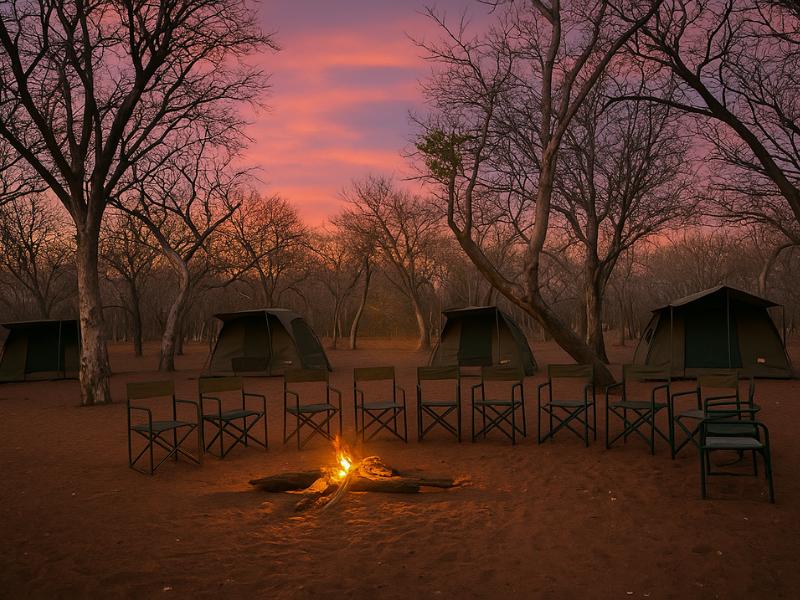
3-Day Chobe Safari Tour from Livingstone/Victoria Falls
Three days from Livingstone or Victoria Falls, with two nights on the Chobe side.
Zimbabwe, Zambia & Botswana: 5-Day Chobe Tour
Five days across Zimbabwe, Zambia and Botswana.
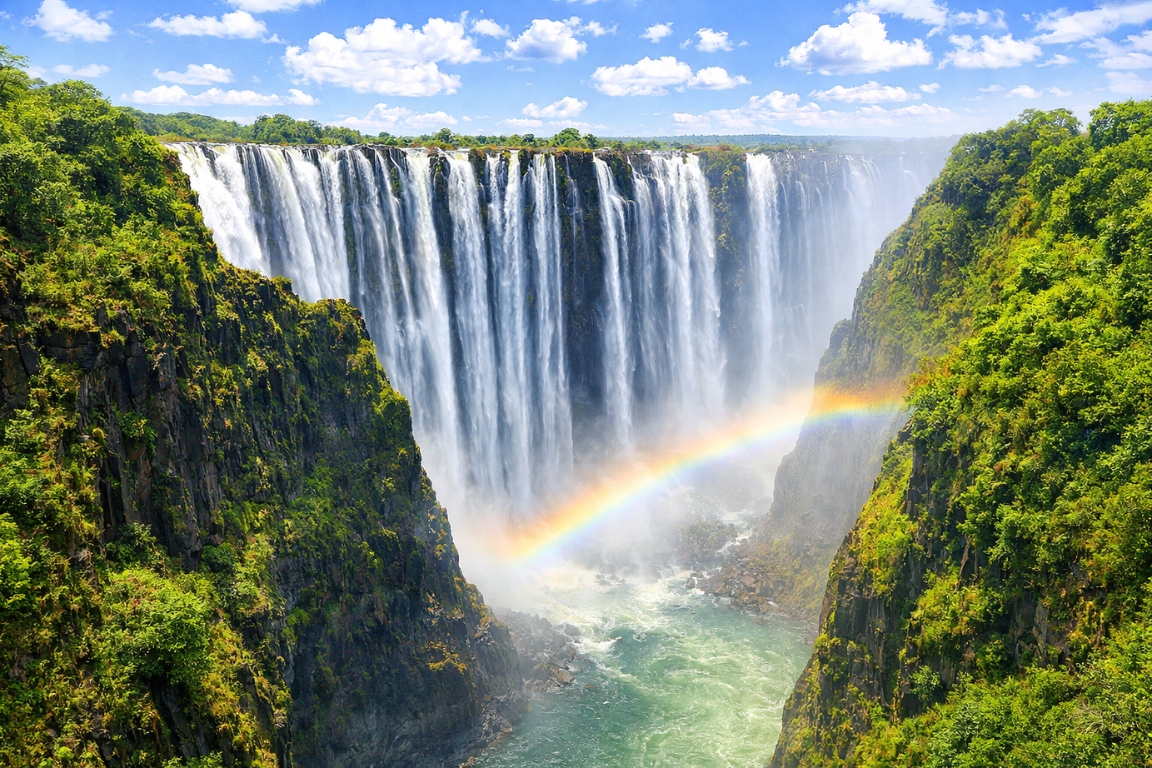
Victoria Falls focused travelers allocating 80-90% attention to waterfall viewing, adventure activities (bungee jumping, helicopter flights, white water rafting), and Zambezi River experiences with Chobe representing brief 10-15% add-on sampling wildlife versus dedicated safari should consider day trips adequate. The Falls-primary visitors often book 4-5 days total emphasizing waterfall perspectives from both Zimbabwe and Zambia sides, multiple adventure activities, Zambezi sunset cruises, and local culture, adding single Chobe day trip satisfying “saw African wildlife” checkbox without committing substantial time or budget to safari component.
Extremely tight schedules with just 3-4 total regional days cannot realistically accommodate multi-day Chobe stays while experiencing Victoria Falls, forcing choice between comprehensive Falls visit with brief Chobe sampling via day trip, or skipping one destination entirely. Business travelers, those with limited vacation time, or visitors incorporating Falls into broader Southern Africa itineraries (Cape Town, Kruger, etc.) where Chobe represents single stop among many often lack flexibility for overnight stays, making day trips only viable option seeing both attractions within compressed timeframes.
Budget constraints limiting total trip spending to absolute minimums sometimes necessitate day trips at $150-250 versus multi-day safaris at $450-1,200, particularly for backpackers, students, or budget-conscious travelers prioritizing low costs over optimal experiences. The lower absolute price creates accessibility for visitors who otherwise couldn’t afford any Chobe experience, accepting rushed format and limited wildlife coverage as compromises enabling participation within financial means, though per-activity value analysis shows multi-day delivering superior cost efficiency when calculating activities received per dollar spent.
Taste of safari appeals to first-time Africa visitors uncertain about wildlife viewing interest, preferring brief day trip testing safari format before committing significant time and money to multi-day experiences that might disappoint if discovering limited enthusiasm. The sampling approach allows experiencing basic safari components (open vehicle, wildlife viewing, guide interpretation) within low-risk single-day format, determining whether future dedicated safari trips warrant investment or confirming suspicions that wildlife watching doesn’t match personal interests.
Physical limitations including mobility challenges making lodge transfers difficult, medical conditions requiring specific accommodations unavailable at remote properties, or elderly travelers finding early morning drives and basic bush facilities challenging sometimes make day trips more manageable through returning to familiar Victoria Falls hotels nightly versus adapting to changing Chobe lodge circumstances. The consistent base accommodation eliminates adjustment stress and accessibility concerns, though many Chobe lodges actually accommodate physical limitations better than perceived.
When day trips work centers on visitors maintaining realistic expectations understanding 60-70% wildlife coverage represents brief sampling not comprehensive safari, accepting exhausting 12-hour schedule as trade-off for single-day format, prioritizing Victoria Falls experiences with Chobe as secondary bonus rather than primary attraction, and acknowledging missed opportunities for relaxed bush immersion, multiple activity variety, and superior species encounter probabilities. Day trippers entering with appropriate expectations finding value in abbreviated wildlife exposure, while those expecting complete safari experiences within day trip constraints inevitably disappoint.
Who Should Choose Multi-Day Safaris
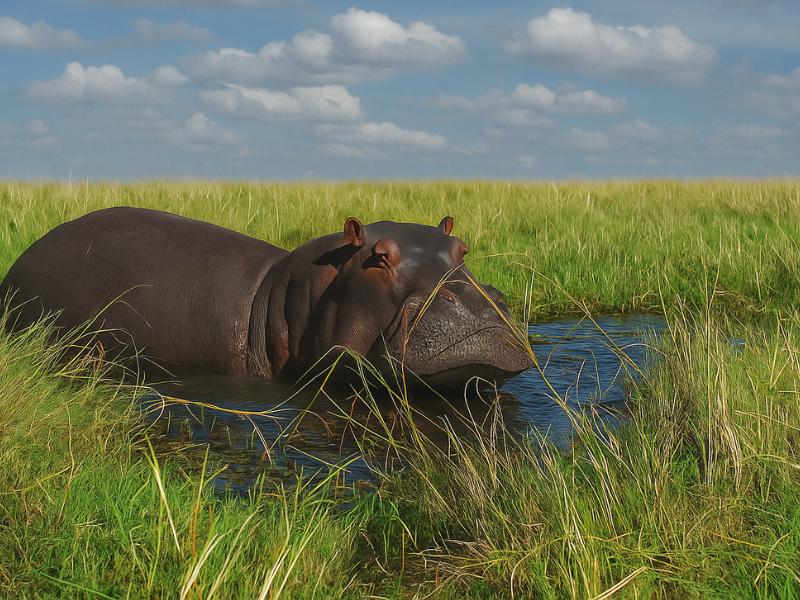
Photographers requiring multiple activity opportunities for challenging subjects, varied morning and afternoon light conditions, second and third chances at elusive species or specific behaviors, and flexible timing allowing extended sessions at productive sightings benefit enormously from multi-day safaris providing 6-10+ wildlife viewing attempts versus single 3-4 hour day trip window. The repeated opportunities allow capturing lions at kills, leopards in perfect light, elephants swimming, and behavioral moments requiring patience and persistence, while day trips force accepting whatever single activity delivers without backup chances if conditions prove suboptimal.
Adequate time allocating 5-7+ days regional stay allows proper 2-3 day Chobe exploration plus 2-3 day Victoria Falls visit without rushing either destination, creating relaxed itineraries with midday rest periods, weather buffers, and comprehensive coverage impossible within 3-4 day compressed schedules. Visitors with vacation flexibility, retirees without time constraints, or travelers prioritizing quality over quantity in regional experiences should allocate adequate duration maximizing both destinations rather than compromising through hurried day trip formats saving time but sacrificing experience quality.
First-time safari visitors wanting complete authentic introduction to African wildlife viewing rather than abbreviated sampling require multi-day stays experiencing full safari rhythms including dawn wake-ups for morning drives, midday lodge rest mimicking animal patterns, afternoon activities, and overnight bush sounds creating genuine immersion. The comprehensive introduction through varied activities, different times and habitats, and overnight lodge atmosphere establishes proper safari context versus day trip superficiality leaving first-timers with incomplete understanding of wildlife viewing possibilities.
Family trips with children benefit from multi-day relaxed pacing allowing rest between activities preventing exhaustion, varied game drives and boat cruises maintaining interest through different formats, and lodge amenities including pools and dining providing downtime versus day trip marathon testing patience of adults and kids alike. The flexibility rescheduling activities if children tire, mood deteriorates, or weather turns poor proves impossible on rigid day trip schedules where single activity must proceed regardless of circumstances.
Practical recommendation establishes multi-day safaris as obviously superior choice for anyone able to afford time and money investment, with dramatic experience quality improvements, doubled wildlife encounter probabilities, authentic bush immersion, and superior per-activity value justifying additional costs. The 95% of visitors who can realistically accommodate 5-6 day regional stays should automatically choose multi-day Chobe formats, reserving day trips exclusively for the 5% with genuinely compelling reasons (extreme time limits, absolute budget minimums, Victoria Falls-only focus) preventing overnight stays.
Before you start throwing stuff in a suitcase, check out our safari packing list in Chobe tours – it’ll save you from bringing the wrong gear or leaving something important behind.
Combination Strategies: Optimizing Both Destinations
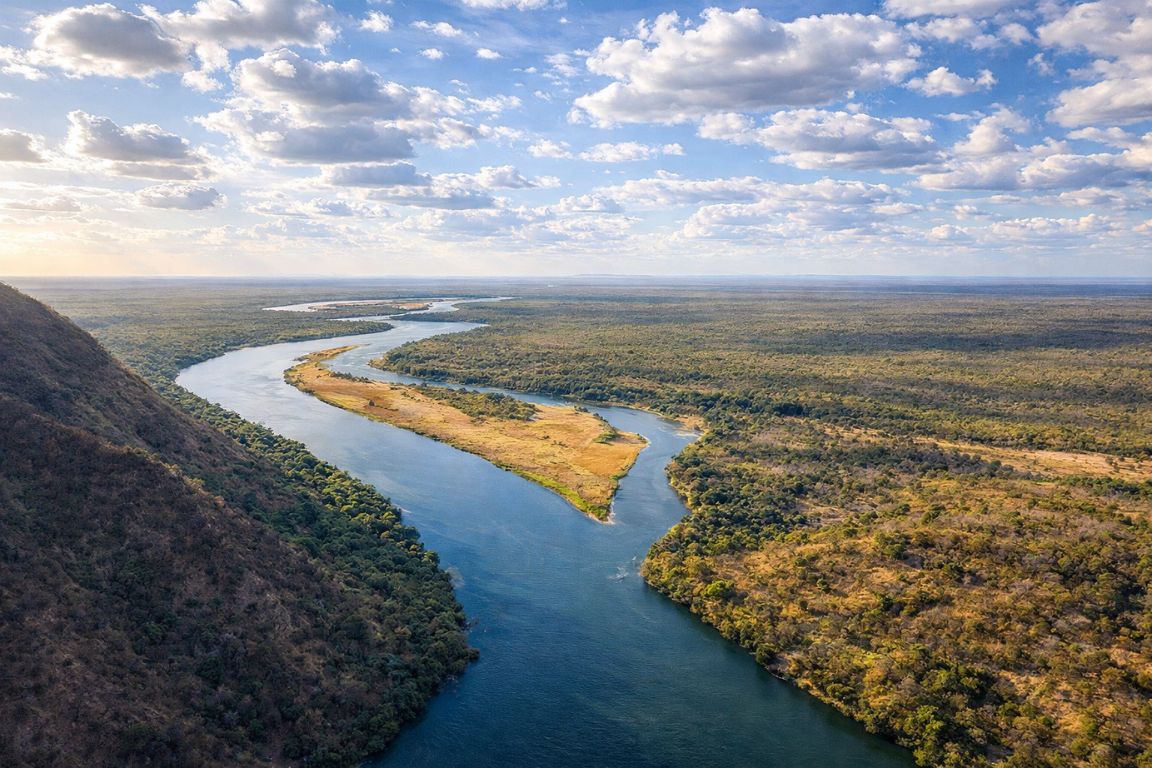
Recommended split allocates 2-3 days Chobe plus 2-3 days Victoria Falls totaling 5-6 days covering both premier southern Africa attractions without rushing either destination, allowing adequate wildlife viewing at Chobe through 4-6 safari activities while experiencing Falls viewpoints, sunset cruises on Zambezi River, and optional adventure activities like helicopter flights, bungee jumping, or white water rafting. The balanced allocation suits most visitors wanting comprehensive regional experiences, with common patterns including 3 days Chobe (6-8 activities) plus 2 days Falls for wildlife-focused travelers, or 2 days Chobe (4 activities) plus 3 days Falls for those prioritizing waterfall and adventure tourism. The 5-6 day regional stay fits standard international vacation lengths while delivering both iconic experiences versus choosing only one destination.
Which first depends on flight logistics and personal preferences, with Chobe-first sequencing offering quieter bush immersion followed by energetic Falls activities creating crescendo effect, while Falls-first allows immediate waterfall viewing when arrival excitement peaks then transitioning to relaxing wildlife safaris. Practical flight considerations often determine order as Livingstone Airport (Zambian side) or Victoria Falls Airport (Zimbabwe side) serve Falls, while Kasane Airport serves Chobe, with routing through Johannesburg affecting optimal sequences. Many visitors prefer Chobe first arriving fresh and alert for early morning game drives requiring 6am wake-ups, then moving to Falls where flexible timing allows sleeping in and afternoon-focused adventure activities, though reverse order works equally well if flights dictate.
Border crossing efficiency favors single crossing when first arriving from international flights, staying entirely Chobe side or entirely Falls side versus repeated crossings doing multiple day trips burning 2-4 hours daily on Kazungula formalities. Visitors starting Chobe complete one border crossing when transferring to Falls (or vice versa), then exit region through whichever airport they finish at, versus day-trippers crossing twice (entering and leaving) for each day trip exponentially multiplying border hassles. The single crossing approach saves 2-4 hours compared to day trip repetition, reduces visa costs for nationalities requiring Zimbabwe entry, eliminates daily border stress, and creates smoother vacation flow with just one transition between destinations.
Accommodation location presents trade-offs with Kasane (Botswana) lodges offering superior wildlife viewing from properties, elephants drinking outside rooms, riverfront atmosphere, and safari-focused environment but requiring travel to Falls activities, while Victoria Falls (Zimbabwe/Zambia) hotels provide walking access to Falls viewpoints, adventure activity proximity, and town dining variety but missing bush immersion and necessitating day trips for Chobe safaris. Budget-conscious travelers sometimes base entirely Victoria Falls side conducting Chobe day trips despite limitations, while those prioritizing wildlife split stays between both locations accepting single border crossing and accommodation changeover. Mid-range and luxury travelers overwhelmingly choose split stays maximizing each destination’s strengths through appropriate accommodation locations.
Activity distribution across combined itineraries includes 2-3 Chobe game drives accessing lions and terrestrial wildlife, 2-3 Chobe boat cruises for hippos and elephants at river, Victoria Falls viewpoints from both Zimbabwe and Zambia sides showing different waterfall perspectives, Zambezi River sunset cruise above Falls, and 1-3 adventure activities (helicopter flight over Falls, bungee jumping from Victoria Falls Bridge, white water rafting Batoka Gorge, or gorge swing) based on budget and interest. The varied activity mix prevents safari monotony while delivering comprehensive regional experiences, with typical 5-6 day itineraries accomplishing 4-6 Chobe activities, Falls viewing from at least one country, sunset cruise, and single major adventure activity totaling 7-9 distinct experiences.
Combined Chobe-Victoria Falls packages at chobetours.com coordinate logistics across both destinations including accommodation bookings at Chobe and Falls properties, all safari activities with quality operators, border crossing assistance and transfers between locations, and optional adventure activity arrangements, delivering seamless 5-6 day regional itineraries through single booking versus piecing together separate components risking coordination failures or incompatible schedules.
FAQ: Day Trip vs Multi-Day Chobe
1. Is a day trip to Chobe from Victoria Falls worth it?
Depends on priorities. Day trips work for Victoria Falls-focused visitors with 3-4 total regional days wanting brief wildlife sampling, but deliver rushed exhausting schedules (10-12 hours, 4-5 hours on transfers/border), single activity only (game drive OR boat, not both), and 60-70% wildlife coverage with 15-25% lion odds. Worth it if understanding limitations and accepting abbreviated experience. Not worth it if expecting comprehensive safari – multi-day delivers dramatically better value and experiences.
2. How many days do you need in Chobe?
Minimum 2 days (4 activities) for adequate introduction, 3 days optimal for most visitors providing comprehensive 90-95% species coverage, 4+ days for photographers and serious enthusiasts. Single day trips show just 40-50% of Chobe’s potential. Three days balances thorough wildlife viewing, relaxed pacing, and reasonable time/budget investment.
3. Can you see lions on a Chobe day trip?
Possible but unlikely – 15-25% probability on single activity as lions require morning game drives and patient searching. Multi-day safaris achieve 60-80% lion odds through multiple morning attempts and radio intelligence from guides. Most day trippers miss lions entirely, while multi-day visitors consistently find prides over 3-4 days.
4. What’s the difference between 2-day and 3-day Chobe safari?
2-day: 4 activities (2 drives + 2 boats), 1 night, 80-85% species coverage, compressed but adequate. 3-day: 6-8 activities (3-4 drives + 3-4 boats), 2 nights, 90-95% coverage, relaxed pace with weather buffers. Third day adds 20-30% more species encounters, second morning drive improving lion odds significantly, and eliminates rushing. Best per-activity value.
5. Is it better to stay in Chobe or Victoria Falls?
Split stays optimal – 2-3 days each destination. Chobe lodges offer elephants from rooms, riverfront atmosphere, safari immersion. Victoria Falls hotels provide walking access to Falls, adventure activity proximity, town amenities. Multi-day Chobe visitors should stay Chobe side, day trippers can base Victoria Falls conducting single-day excursions.
6. How much does a Chobe day trip cost?
$150-250 per person including transfers, border crossing, single activity, lunch. Appears cheap but delivers poor per-activity value at $150-250 per wildlife viewing versus multi-day $60-150 per activity. Hidden costs include maintaining separate Victoria Falls accommodation ($100-200 nightly) and potential $50 Zimbabwe visa fees.
7. Can you do both game drive and boat cruise on day trip?
No, must choose one activity only despite marketing suggesting comprehensive coverage. Game drive eliminates hippos/crocodiles/water birds only accessible by boat. Boat eliminates lions/leopards/interior wildlife impossible from water. Multi-day safaris include both activity types showing complete Chobe diversity.
8. What’s the best duration for first-time safari visitors?
3 days optimal providing complete introduction through varied activities (6-8 outings), comprehensive species coverage (90-95%), overnight lodge immersion, and relaxed pacing understanding safari rhythms. Establishes proper wildlife viewing context. Minimum 2 days if budget/time constrained. Day trips inadequate for authentic safari introduction.
Glossary: Safari Duration Terms
Day Trip/Day Excursion: Single-day safari from Victoria Falls involving 10-12 hour round-trip including 2-hour drives, 1-2 hour border crossing, and single 3-4 hour activity (game drive or boat cruise, not both). Returns to Victoria Falls accommodation nightly without overnight Chobe stay.
Multi-Day Safari/Overnight Safari: Safari lasting 2+ days with overnight accommodation at Chobe lodges, multiple activities across mornings and afternoons, comprehensive habitat coverage, and bush immersion through sleeping in wildlife areas hearing nocturnal sounds.
Border Crossing Time: Duration spent at Kazungula border between Zimbabwe and Botswana including exit formalities from departing country, 5km bridge crossing, entry processing, and vehicle documentation. Typically 1-2 hours each direction, consuming 2-4 hours total on day trips.
Activity Cycle (Morning + Afternoon): Complete daily safari pattern including morning game drive or boat cruise (6-9:30am), midday rest at lodge during hot hours, and afternoon drive or cruise (3-6:30pm). Multi-day safaris complete multiple cycles across varied days.
Per-Activity Cost: Safari expense divided by number of wildlife viewing activities, revealing true value. Day trips cost $150-250 per single activity, while multi-day safaris cost $60-150 per activity through bulk efficiency and accommodation inclusion.
Riverfront Lodge/Bush Camp: Accommodation directly on Chobe River where elephants, hippos, and other wildlife visit properties, visible from rooms and common areas. Provides authentic bush atmosphere, evening wildlife sounds, and immersive safari experience impossible at town hotels.
Minimum Adequate Duration: Shortest safari length delivering satisfactory comprehensive experience. For Chobe, 2 days (4 activities) represents minimum adequate duration, with 3 days optimal for thorough coverage. Single-day trips fall below adequate threshold.
Safari Immersion: Deep engagement with bush environment through extended stays, overnight accommodation in wildlife areas, adapting to safari rhythms (early drives, midday rest), and psychological shift from tourist to safari participant experiencing rather than just viewing wildlife.
Ready to Choose Your Chobe Safari Duration?
Day trips deliver rushed exhausting 10-12 hour marathons consuming 4-5 hours on transfers and border crossings, single activity providing 60-70% wildlife coverage with 15-25% lion odds, and no overnight bush immersion or second chances if conditions disappoint. Multi-day safaris provide comprehensive 90-95% species encounters through 4-10 activities across varied times and habitats, relaxed pacing with midday rest periods, superior per-activity value at $60-150 versus day trip $150-250, overnight riverfront lodge atmosphere with elephants visible from rooms, and authentic safari experiences impossible during abbreviated day excursions.
Honest recommendation: multi-day safaris prove vastly superior if time and budget remotely allow, with dramatic quality differences justifying additional investment through doubled wildlife variety, authentic bush immersion, relaxed enjoyable schedules, and overall satisfaction rates of 90-95% versus 55-65% day trip disappointment. The visitors able to accommodate 5-6 day regional stays (2-3 days Chobe plus 2-3 days Victoria Falls) should automatically choose multi-day formats, reserving day trips exclusively for those with genuinely compelling constraints including 3-4 total regional days, absolute budget minimums, or Victoria Falls-only focus treating Chobe as brief add-on.
Compare dates on the 3-Day Chobe Safari from Livingstone or Victoria Falls if you want a concrete itinerary to weigh against a single-day outing. We provide honest assessments whether day trips suit your needs or whether investing in multi-day experiences delivers proportional value improvements justifying additional costs.
Explore both day trip and multi-day safari options at chobetours.com where we offer Victoria Falls-based day excursions for appropriate visitors plus 2-7 day Chobe safaris, combined Chobe-Victoria Falls packages, and customized itineraries, providing honest guidance about which format suits your priorities, schedule, and budget rather than pushing longest most expensive options regardless of fit.
The day trip shows 40-60% of Chobe’s wildlife potential. The multi-day safari delivers 85-95%. The question is which percentage satisfies your safari expectations.
From the guides at Chobe Tours who’ve watched day trippers rush through abbreviated wildlife exposure returning Victoria Falls exhausted questioning value, while multi-day guests complete comprehensive relaxed safaris expressing satisfaction and understanding why both activities and overnight stays prove essential for authentic Chobe experiences, seeing firsthand the dramatic quality differences between formats across thousands of visitors choosing each option.